
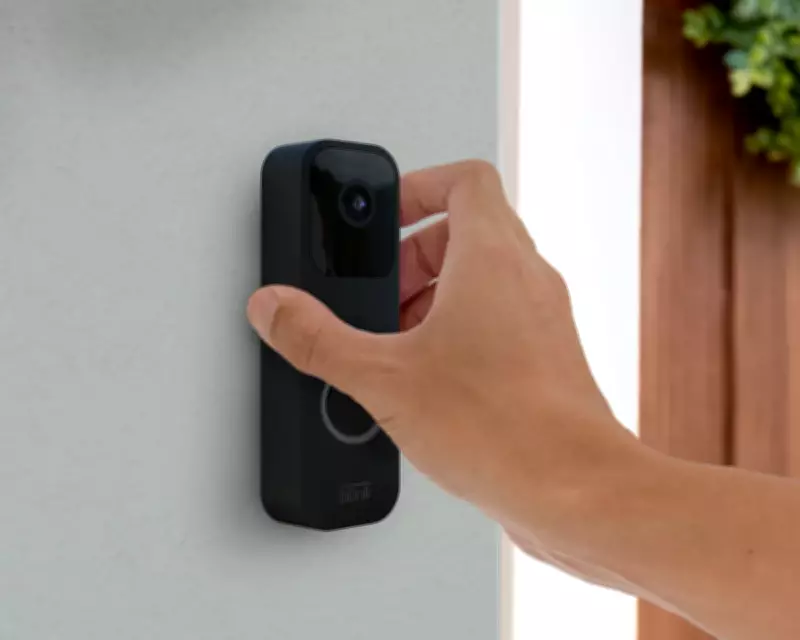
Milpitas Approves Free Smart Doorbell Distribution to Enhance Public Safety
The city council of Milpitas, a Silicon Valley suburb located north of San Jose, California, has recently greenlit a pioneering initiative aimed at fortifying crime prevention efforts. With an allocated budget of $60,000, the program will provide residents with free wireless doorbells equipped with cameras on a first-come, first-served basis, ensuring one camera per household. This move, initially reported by Milpitas Beat and confirmed by the Guardian, underscores the city's commitment to leveraging technology for community security.
Strengthening Community-Police Partnerships
City councilmember Evelyn Chua emphasized that public safety remains her top priority, stating that the doorbell camera initiative is designed to strengthen crime prevention directly at the residential level. "By equipping residents with tools and partnering closely with our Milpitas police department, we're building a stronger connection between our community and law enforcement to help deter crime and protect our neighborhoods," Chua explained. The program encourages residents to voluntarily upload footage to a police database, fostering a collaborative approach to surveillance.
Assistant Chief of Police Tyler Jamison outlined the operational framework, noting that police will share a link for residents to upload doorbell footage and organize community events for program sign-ups. "We don't have access to any of the residential footage unless they were to share it with us," Jamison clarified, highlighting the voluntary nature of the initiative. This ensures that all video submissions are entirely consensual, addressing potential privacy concerns upfront.
Exploring Alternatives to Amazon Ring
While the city council considered options including Amazon's Ring cameras—known for their direct integration with police digital management systems—Milpitas has opted for a different provider. Meeting notes from the 17 March session reveal that staff recommended cameras with "similar or equal capabilities" to Ring, though they lack direct integration with the police department's system. This decision stems from a desire to avoid subscription burdens on residents, as Ring requires fees for footage storage.
Jamison pointed out that without direct integration, investigative requests may need to be made through social media platforms, potentially delaying investigations. However, the choice reflects a balanced approach to cost-effectiveness and resident convenience, prioritizing tools that do not impose financial strain on participants.
Addressing Surveillance and Privacy Concerns
Doorbell cameras, particularly Amazon's Ring, have faced increasing scrutiny over fears they facilitate excessive neighborhood surveillance by law enforcement. The debate intensified after Ring's Super Bowl ad in February, which showcased an AI-powered feature called Search Party designed to locate lost pets by alerting nearby cameras. Critics argue such technologies evoke a surveillance dragnet, raising ethical questions about privacy and data usage.
Milpitas's program aims to mitigate these concerns by ensuring all video sharing is voluntary and transparent. The initiative aligns with broader trends, as cities like New York City, Mount Vernon, Syracuse, Philadelphia, Jackson, and Cleveland have adopted similar free programs. By focusing on resident empowerment and community engagement, Milpitas seeks to enhance public safety without compromising individual privacy rights.
As the program rolls out, it will be closely monitored for its impact on crime rates and community relations. With a clear emphasis on voluntary participation and strategic partnerships, Milpitas sets a precedent for how technology can be harnessed responsibly to protect neighborhoods while respecting civil liberties.




