
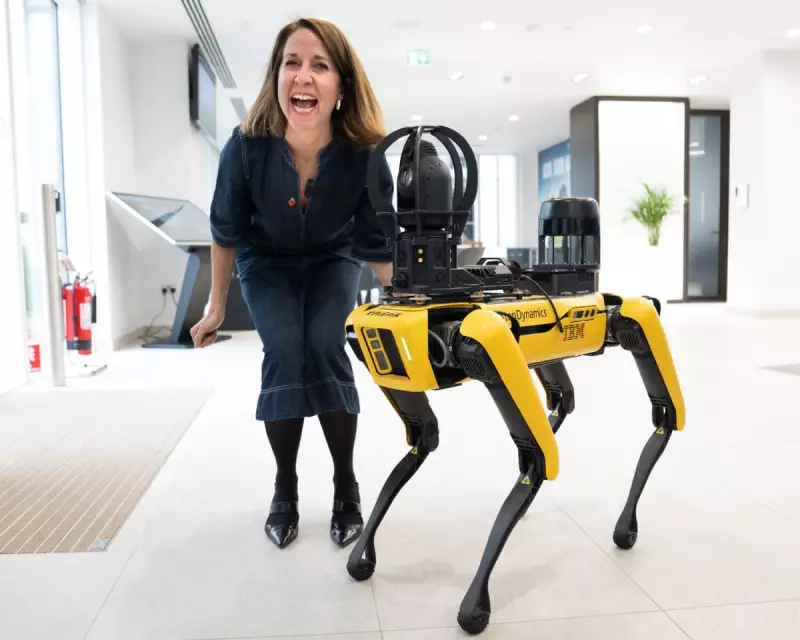
In a significant policy shift, Science and Technology Secretary Liz Kendall has declared her support for artists and creators in the ongoing battle over AI and copyright, signalling a major departure from her predecessor's approach.
A New Direction for AI and Creativity
The newly appointed minister indicated she wants to "reset" the debate around how artificial intelligence companies use copyrighted material, acknowledging that "people rightly want to get paid for the work that they do." This marks a clear change from former technology secretary Peter Kyle, who had previously advocated for an opt-out system that would have required artists to actively prevent their work from being used by AI systems.
Kendall, who took office in September, emphasised the need for balance, stating: "We have to find a way that both sectors can grow and thrive in future." She revealed that she and Culture Secretary Lisa Nandy are currently engaged in fresh discussions with both the creative and AI sectors to find a sustainable solution.
Creative Industry Backlash
The government's consultation on a new intellectual property framework for AI has sparked passionate opposition from some of Britain's most prominent artistic figures. The issue came to a head earlier this month when Paul McCartney released a silent two-minute 45-second track on an album specifically protesting against copyright appropriation by AI firms.
The campaign has gathered impressive support, with music legends including Kate Bush, Sam Fender, the Pet Shop Boys and Hans Zimmer joining the cause. In even stronger terms, Elton John labelled the UK government "absolute losers" over proposals that would allow tech companies to use copyrighted works without permission, while describing former minister Peter Kyle as "a bit of a moron."
Transparency and Compensation
Kendall recognised that many creative professionals are demanding greater transparency about whether their work has been used to train AI systems, which she identified as a crucial step towards ensuring proper compensation. Recent developments suggest a path forward, with AI company Anthropic reaching a $1.5 billion (£1.15 billion) legal settlement and releasing a searchable database of approximately 500,000 books used to train its models.
This database allows authors to check if their work has been used and claim payments of around $3,000 per work. Kendall addressed concerns about her appointment of a special adviser who had previously expressed scepticism about compensating content creators, stating firmly: "Views before you come to work for the government are not the views of the government."
Mixed Reactions and Future Timeline
Film director and crossbench peer Beeban Kidron welcomed Kendall's approach, noting she had "recognised the need for creators to protect their property and livelihood." However, Lady Kidron cautioned that the government had "lost the trust of the entire creative community" and the British public, who overwhelmingly support fair compensation for creative work.
She called for immediate action, including halting public sector deals with AI companies involved in copyright disputes, requiring transparency about training data, and securing commitments to respect copyright. The government's timeline for resolving these issues includes an initial report expected before the end of this year, with a more comprehensive analysis due by March 2026.
While acknowledging the urgency expressed by creatives, Kendall emphasised the need for careful consideration: "I understand why many creatives are urging us to act immediately because so much has happened already. But we've got to get this right... there's a lot of detail to work out here."




