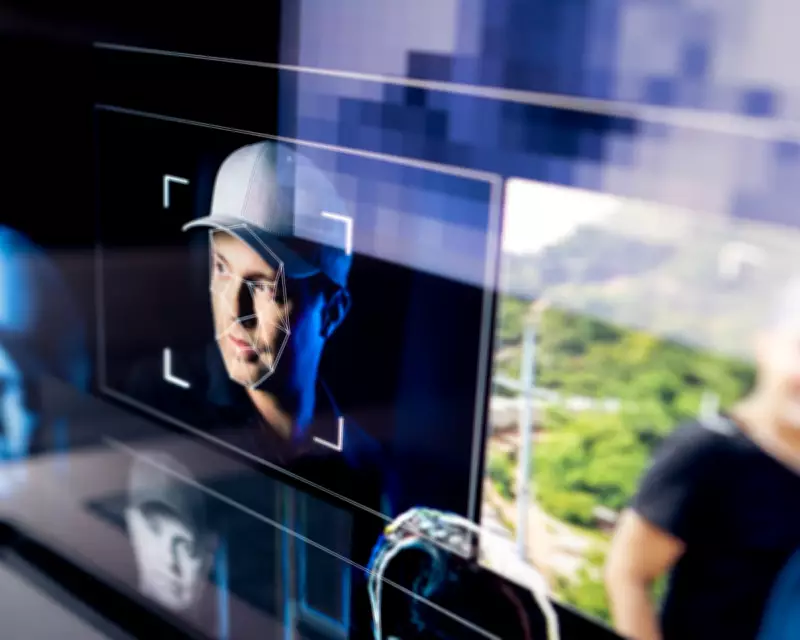
A comprehensive new study has revealed that the creation and distribution of deepfake content is now occurring on an industrial scale, marking a significant escalation in the use of this deceptive technology. The findings highlight a rapid expansion in the sophistication and volume of manipulated media, which poses serious threats to public trust and security.
Unprecedented Scale of Deepfake Operations
The research indicates that deepfake production has moved beyond isolated incidents to become a widespread, organised activity. This industrial-scale operation involves automated tools and large networks that can generate convincing fake videos, audio, and images at an alarming rate. The study points to the involvement of both state and non-state actors in leveraging these technologies for various purposes, from political manipulation to financial fraud.
Implications for Society and Security
The proliferation of deepfakes on such a massive scale raises profound concerns. It undermines the integrity of digital information, making it increasingly difficult for individuals and institutions to discern truth from fabrication. This erosion of trust can have far-reaching consequences, affecting everything from election processes to personal relationships and corporate communications.

Security experts warn that the industrialisation of deepfakes could lead to more sophisticated cyber-attacks, including identity theft and the spread of harmful disinformation campaigns. The ability to create realistic fake content quickly and cheaply lowers the barrier for malicious actors, potentially leading to a surge in digital crimes and social unrest.
Technological and Regulatory Challenges
Addressing this issue requires a multi-faceted approach. On the technological front, there is an urgent need for advanced detection tools that can keep pace with evolving deepfake methods. Researchers are developing AI-driven solutions to identify manipulated media, but the race between creation and detection remains intense.
From a regulatory perspective, the study underscores the necessity for stronger legal frameworks to combat the misuse of deepfake technology. Current laws in many jurisdictions are inadequate to address the rapid advancements in this field, leaving gaps that can be exploited by bad actors. Policymakers are being urged to consider new legislation that balances innovation with protection against harm.
Future Outlook and Recommendations
The study concludes with recommendations for mitigating the risks associated with industrial-scale deepfakes. These include increasing public awareness about the existence and dangers of deepfakes, investing in research for better detection technologies, and fostering international cooperation to develop consistent regulatory standards.
As deepfake technology continues to evolve, the study emphasises the importance of proactive measures to safeguard digital ecosystems. Without concerted efforts from governments, tech companies, and civil society, the spread of industrial-scale deepfakes could exacerbate existing challenges in the information age, making it crucial to act swiftly and decisively.