Highguard's Rocky Start: A Promising Game Faces an Uphill Battle
In the fiercely competitive and unforgiving world of online multiplayer gaming, launching a new title is a high-stakes art form. The recent debut of Highguard, a new online multiplayer game from the fledgling studio Wildlight Entertainment, serves as a stark reminder of just how crucial a smooth introduction can be. Despite boasting an impressive pedigree and genuinely innovative gameplay, the game now finds itself fighting for positive reviews and player loyalty following a troubled and poorly received reveal at last year's Game Awards ceremony.
The Problematic Premiere at The Game Awards
The game's journey into the public eye was anything but conventional. Wildlight Entertainment, a studio formed by ex-Respawn Entertainment veterans known for their work on Titanfall, Call of Duty, and Apex Legends, had initially planned a classic 'shadow drop' launch. This strategy, which involves announcing and releasing a game simultaneously, worked spectacularly well for Apex Legends in 2019. However, fate intervened when Game Awards organiser Geoff Keighley played an early build, enjoyed it, and offered the team a coveted closing slot at his prestigious December event.
Unable to refuse the exposure, the team agreed. The result was an oblique and confusing trailer for a fantasy-themed online shooter that no one had heard of, closing a show where audiences expected a major announcement from a figure like Hideo Kojima or news on Grand Theft Auto 6. The reveal fell awkwardly between a slow-burn hype campaign and a shock release, leaving many viewers cold and setting a negative tone before the game had even launched.
Innovative Gameplay Burdened by First Impressions
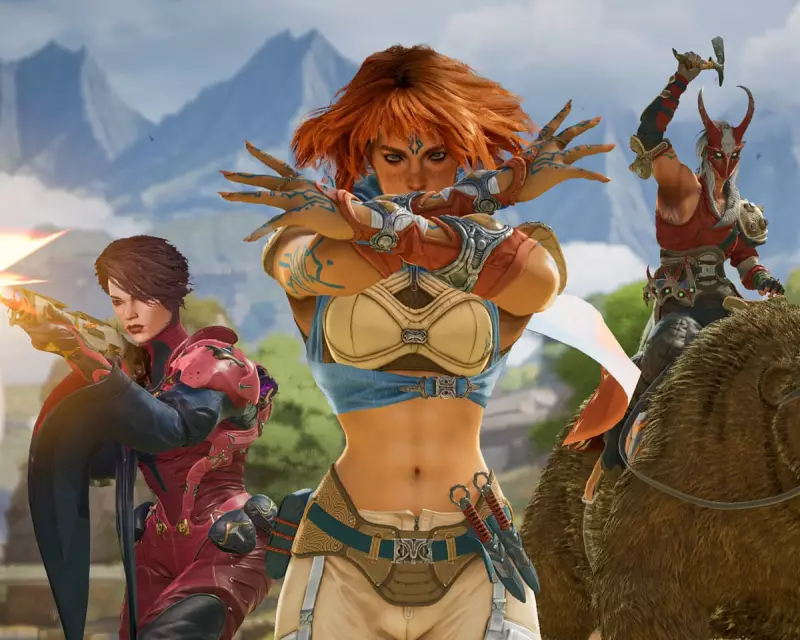
Now that Highguard is publicly available, a more nuanced picture emerges. The game itself is an intriguing hybrid, blending elements of a competitive online shooter with those of a MOBA (Multiplayer Online Battle Arena). Players form two teams of three, select from a roster of hero characters with distinct abilities, and engage in a multi-phase battle to destroy the opposing team's base.
- The match begins with a fortification phase, where teams strengthen their castle defences.
- This is followed by an exploration and looting phase across a fantasy landscape.
- Finally, the teams clash in a combat phase to achieve victory.
The experience is a unique fusion, described by players as a "weird cross between Call of Duty and a Ray Harryhausen movie," where heroes wield shotguns alongside the ability to throw lightning bolts or erect walls of ice. The studio has inherited Respawn's talent for creating fluid, kinetic movement systems, allowing for seamless running, sliding, and climbing.
The Aftermath of a Botched Reveal
Despite these strengths, the shadow of that Game Awards presentation looms large. Almost immediately upon its late-January launch, negative reviews flooded the game's Steam page. Players reported visual performance issues and long matchmaking queues—problems arguably exacerbated by the sudden influx of players and the intense scrutiny born from the disappointing reveal. The gaming community can be notoriously judgmental and possesses a long memory for perceived missteps.
While Highguard attracted a respectable 100,000 concurrent players on its first day, it enters a market littered with the skeletons of failed competitors like Concord, Hyenas, and Battleborn. Furthermore, it faces the looming threat of Valve's own in-development MOBA-inspired title, Deadlock, which has received positive feedback from closed beta tests. Competing directly with Valve is a daunting prospect for any studio.
The High Stakes of the Online Multiplayer Arena
The reason studios brave these risks is clear: the rewards are astronomical. Titles like Fortnite generate billions annually. However, the development and marketing costs can reach hundreds of millions, and the market is notoriously volatile. The team behind Highguard is banking on building a lasting community, but it must first overcome the significant hurdle of its botched introduction.
Some industry observers speculate that the next mega-hit in the genre won't be a patchwork of familiar ideas but something entirely wild, fresh, and unexpected. Whether Highguard can evolve beyond its Frankenstein's monster reputation and secure a lasting player base remains to be seen. For now, Wildlight Entertainment has a lot to prove as it works to win over sceptical gamers and solidify its place in a brutally competitive landscape.