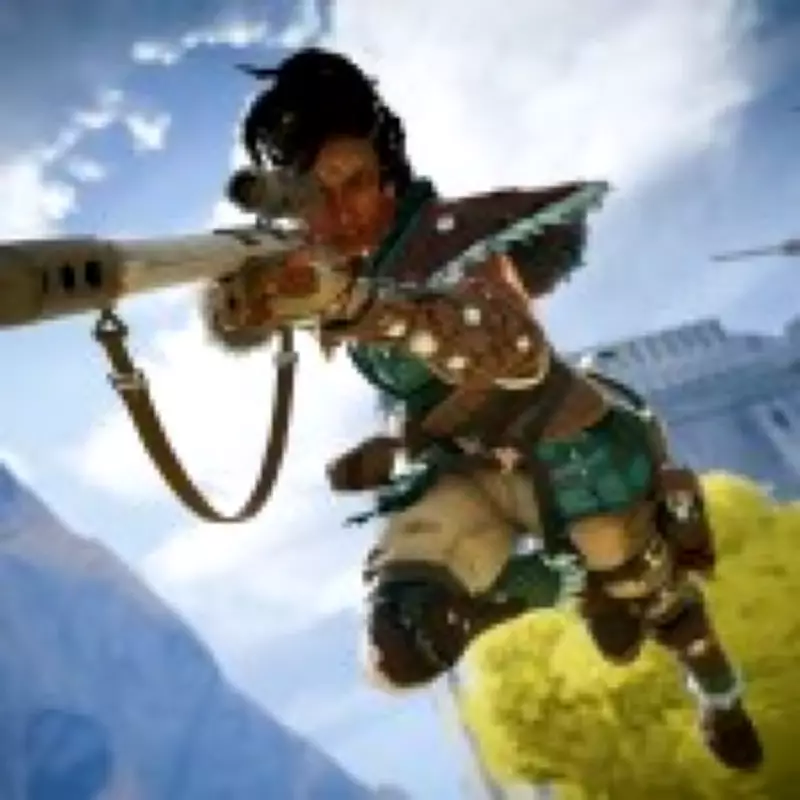
Highguard Creators Reveal Passion for Single-Player Experiences Amid Shooter Evolution
In an exclusive interview with GameCentral, the developers behind Highguard have opened up about their team's deep affection for single-player gaming experiences, while discussing the rapidly evolving landscape of first-person shooters. Wildlight Entertainment CEO Dusty Welch and game director Chad Grenier, both veterans of major franchises like Apex Legends and Call of Duty, shared insights about their debut project and the industry's shifting dynamics.
A Team with Legendary Pedigree
Highguard represents the inaugural release from Wildlight Entertainment, but the studio's foundation is built upon decades of collective experience from some of gaming's most influential titles. With over 100 team members, many previously contributed to Titanfall, Call of Duty, Overwatch, and particularly Apex Legends – where approximately 60 Wildlight staff members previously worked.
The game itself reflects this heritage, blending elements from various successful shooters while attempting to carve its own identity as what the developers term a "raid shooter." This hybrid approach combines mechanics from Rainbow Six Siege, League of Legends, and survival games like Rust, creating what Grenier describes as "a unique mix of all these things in one fresh game mode."
The Single-Player Question
When questioned about potential single-player content for Highguard, the developers revealed their team's genuine enthusiasm for narrative-driven experiences. "Our team loves making single-player games, just as much as we like making multiplayer shooters," confirmed Grenier. He noted that many team members worked on Titanfall 2, widely regarded as having one of the finest single-player campaigns in gaming history.
Welch added perspective on the changing viability of single-player projects: "I think we're in a different dynamic now where single-player games are making a comeback and you can have a business model around that to support the extraordinary time and cost it takes." However, both emphasized that any single-player expansion would depend on community demand and the team's creative direction.
Independent Studio Philosophy
The conversation delved into why veteran developers like Welch and Grenier chose to establish their own studio after years at major publishers. "It's a lot about carving our destiny and making our own decisions," explained Grenier. "We don't have to worry about aligning with shareholders or a board or convince anybody. We can ultimately carve our own path."
Welch emphasized their employee-focused approach: "Every single employee has equity also, and to me that's important. I want that ownership. I want that buy-in. I want that feeling of, like, this is mine." This philosophy extends to their development priorities, with Welch stating they're "in the business of delighting players and making engaging games" rather than focusing solely on business metrics.
Navigating a Crowded Shooter Market
Addressing concerns about launching a live service shooter in 2026's competitive landscape, both developers drew parallels with their experience launching Apex Legends during the battle royale saturation period. "We were terrified to launch Apex because it was a saturated battle royale market," recalled Grenier. "Now the conversation is, 'You're making a shooter in a crowded shooter space'. Well, it's always been that way, for us."
Welch provided data-driven optimism about the shooter genre's health: "Shooters as a category remains the rocket fuel that is propelling the entire games industry. Five of the top 10 PC games by monthly active users are shooters. The shooter playtime is 40% of all games, and it continues to grow."
Changing of the Guard
The developers offered their perspective on significant shifts within the shooter market, noting recent developments like Battlefield 6 outselling Call of Duty and the breakthrough success of Arc Raiders. Welch suggested we might be witnessing "a changing of the guard" regarding established franchises, particularly mentioning how Microsoft's acquisition of Activision might create "a little bit of a challenging situation for a few years" for Call of Duty.
Both expressed excitement about the Asian market's growing importance and the innovation emerging from independent studios. "As long as the genre keeps expanding, which it does because new companies are innovating, like we are, I think we're all in a great space," concluded Welch.
Looking Forward
Despite Highguard's mixed initial reception, the team remains committed to long-term development, with a year of additional content already in production. Their approach emphasizes listening to community feedback and iterative improvement, backed by what Welch describes as "a proven track record of building big sustainable franchises that have staying power."
The interview concluded with anticipation for 2027's gaming landscape, with Welch noting that "a lot of different indie devs like us" are preparing innovative projects for that period. As the shooter genre continues evolving, Wildlight Entertainment positions itself at the intersection of veteran experience and independent creative freedom, keeping single-player possibilities alive while navigating the live service landscape.