
The Rise of 'Unc' Games: A Cultural Shift in Gaming
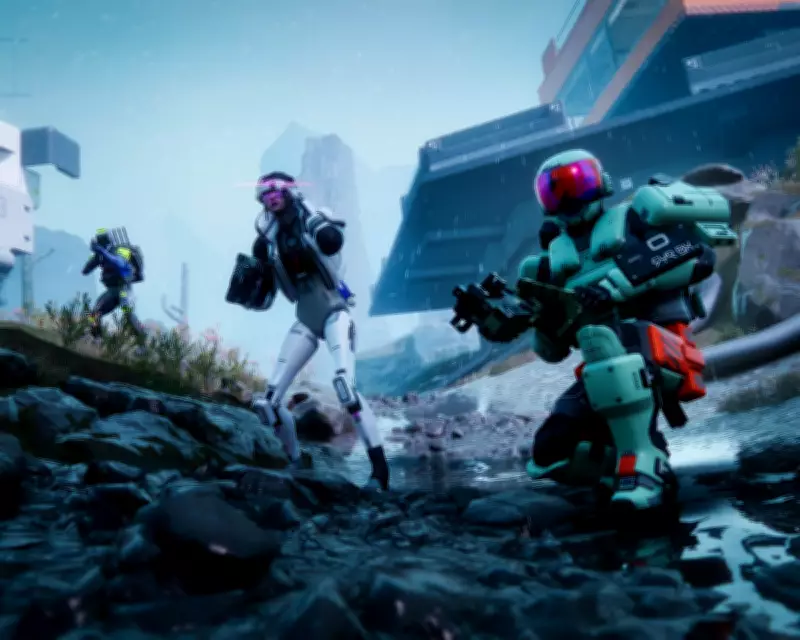
In the ever-evolving world of video games, a new term has emerged that captures a generational divide: "unc." Short for "uncle," this semi-disparaging label from Gen Z refers to gamers over 30 who favor slower-paced shooters and epic narrative games from the 1990s and 2000s. Games like Marathon, Knights of the Old Republic, and World of Warcraft fall into this category, often dismissed as "uncslop" by younger players. However, this demographic shift is not just a passing trend—it represents a significant opportunity for the gaming industry to embrace diversity and sustainability.
Why 'Unc' Games Matter in Today's Market
Recent discussions on platforms like Reddit highlight the welcoming nature of unc game communities. For instance, a feminine-presenting player shared how Marathon offered a kinder, more inclusive environment compared to other shooters, where toxic behavior like "get back to the kitchen" jokes is rampant. This underscores a broader appeal: unc games often foster mature, supportive communities that attract older gamers seeking meaningful experiences over frenetic competition.
Data from Circana reveals that 97% of console purchasers in the US last year were over 25, with the average gamer age now at 41. Roughly 50-60% of all gamers are over 30, and this demographic is not fading away—they are playing into their 50s, 60s, and beyond. These older gamers are typically wealthier and more willing to spend on consoles and full-priced games, propping up the traditional business model amid an industry pivot toward risky live-service and free-to-play titles.
The Economic Imperative for Embracing Older Gamers
The gaming industry's chase for ever-increasing profits has led to a focus on expensive live-service games and exploitative free-to-play models, which have jeopardized sector sustainability. In contrast, unc games offer a viable alternative. Developers and publishers should recognize that adult gamers are a profitable demographic. Making games explicitly for this group does not mean abandoning younger audiences; it's about catering to a diverse, intergenerational market.
Media outlets like Time Extension and developers such as Digital Eclipse thrive on sustained interest in retro games, while new releases frequently homage 1990s and 2000s aesthetics. This shows that gaming has become intergenerational, with old and new worlds coexisting. As influencers and streamers—many of whom remember classics like Banjo-Kazooie—continue to shape culture, the demand for unc games is likely to persist.
Spotlight: Darwin's Paradox! and the Unc Game Experience
For those seeking a taste of unc gaming, Darwin's Paradox! offers a superb example. This old-school platformer combines modern stagecraft with classic elements like stealth sections, insta-deaths, and challenging checkpointing. Players control a troublesome octopus with abilities such as camouflage and ink, navigating a humorous, slapstick narrative. Despite its difficulty, the game's excellent animation and detailed sets make it a compelling play, especially for families. Available on PS5, Xbox, PC, and Switch 2, it provides about five hours of engaging gameplay.
Industry Trends and Future Outlook
The gaming landscape is also shifting in terms of pricing and accessibility. With Xbox Game Pass potentially becoming more affordable and rumors of a $100 Grand Theft Auto VI, the industry is exploring new models. Adjusted for inflation, a £100 game today is comparable to past prices, and varied price points—from £10 indie titles to £80 blockbusters—could cater to different budgets. This flexibility ensures that gaming remains accessible while supporting high-quality productions.
In summary, the rise of unc games is a cultural milestone that reflects gaming's maturity. By embracing older gamers, the industry can foster inclusivity, drive profitability, and ensure a sustainable future. As generational cycles continue, unc games are here to stay, offering slow-paced, narrative-rich experiences that resonate across ages.




