
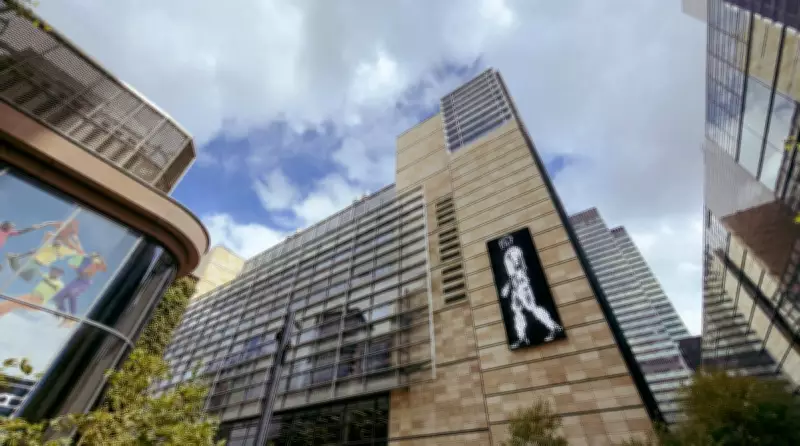
British Land and Royal London Asset Management have secured another major tech occupier at Regent's Place, as robotics startup Humanoid has signed for 42,000 square feet at One Triton Square, City AM can reveal. The deal pushes the building to 94 percent let just six months after completion, underscoring the surging demand for AI firms across the capital.
AI Boom Reshapes London's Office Market
The transaction is the latest sign of how AI startups are transforming the city's office landscape, particularly around King's Cross and Regent's Place, where names like OpenAI, Anthropic, Google Deepmind and Meta have all expanded operations. Founded in 2024, Humanoid develops general-purpose humanoid robots designed for industrial settings such as manufacturing. The firm will join a growing cohort of science and technology businesses already based at One Triton Square, including AI giant Anthropic.
Market Projections and Investor Appetite
CBRE has estimated that the sector could occupy as much as 4 million square feet of London office space by 2033, compared with around 1.5 million square feet today, as global industry giants scale rapidly. The deal also signals growing investor appetite around 'physical AI' – the merging of robotics and artificial intelligence. Humanoid forms part of a new wave of robotics companies attracting billions in capital as investors bet on humanoid robots eventually disrupting industries such as logistics and manufacturing.
Michael Wiseman, head of campuses at British Land, said: 'Science and technology businesses want to grow here, access world-class talent and be part of an innovation ecosystem.' Thomas Shepherd, chief operating officer at Humanoid, added: 'Being part of a community of leading technology and science companies creates opportunities for partnership, collaboration and innovation.'
Clustering of Knowledge-Intensive Firms
Will Hawking, head of life sciences at Royal London Asset Management Property, noted: 'Increasingly, we are seeing knowledge-intensive, research-led organisations cluster alongside more traditional life sciences occupiers.' The rapid expansion of AI firms is becoming one of the biggest drivers of demand in London's office market, with landlords racing to position premium campuses along the capital's growing technology corridors. AI-related tenants now make up almost 18.5 percent of Great Portland Estates' office portfolio and over a quarter of its flexible workspaces. Great Portland Estates chief executive Toby Courtauld recently said demand was unlikely to slow, despite concerns about an AI bubble, citing the growing need for 'high value locations'.




