
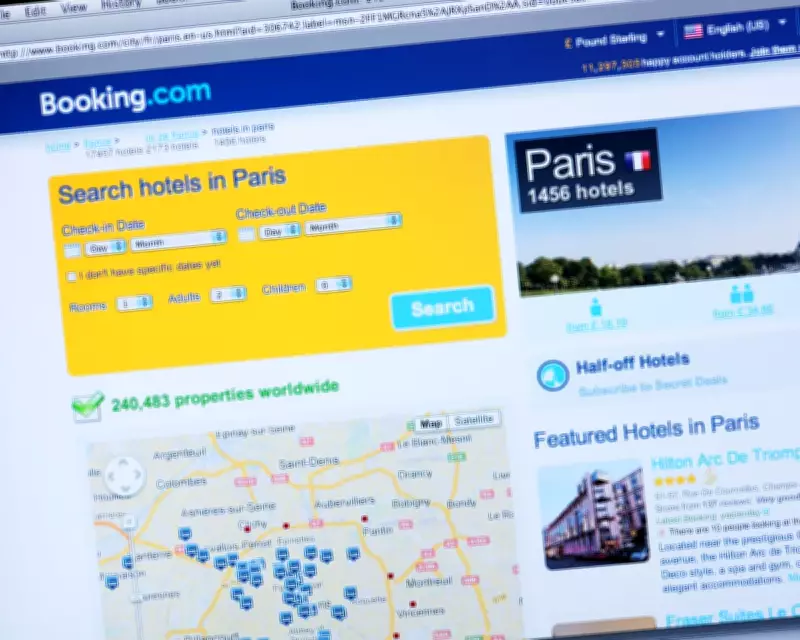
Booking.com Data Breach Exposes Customer Details in Latest Cyber Attack
The global accommodation reservation platform Booking.com has confirmed a significant data breach, with unauthorized parties gaining access to customer information. The company, headquartered in Amsterdam, discovered suspicious activity involving third parties accessing booking details and has taken immediate containment measures.
Scope of the Compromised Information
According to company statements, the breach exposed an undisclosed number of customer names, email addresses, phone numbers, and reservation details. Booking.com has specifically confirmed that financial information remained secure and was not accessed during this incident. The company has updated security measures for affected reservations and directly notified impacted customers about the potential exposure of their personal data.
Pattern of Cybercrime Targeting
This represents the latest in a series of cybercrime attempts targeting Booking.com's platform. The company has been grappling with increasing online scams, where fraudsters attempt to obtain payment details through pre-authorization requests. This follows a 2018 incident where criminals used phishing tactics to steal hotel employee login credentials in the United Arab Emirates, compromising booking data for over 4,000 individuals.
Regulatory and Industry Context
Booking.com faced previous regulatory consequences when it reported a 2018 breach to Dutch privacy authorities 22 days late, resulting in a €475,000 fine. The broader travel booking industry continues to face challenges with fake listings and security vulnerabilities. Booking.com operates as part of Booking Holdings, a $137 billion corporation that also owns OpenTable, Agoda, and Kayak, employing more than 24,000 people worldwide across its various platforms.
The company's response included immediate security enhancements and customer notifications, though it declined to specify the exact number of affected individuals. This incident highlights ongoing cybersecurity challenges facing major online travel platforms as they manage millions of global reservations and customer interactions.




