
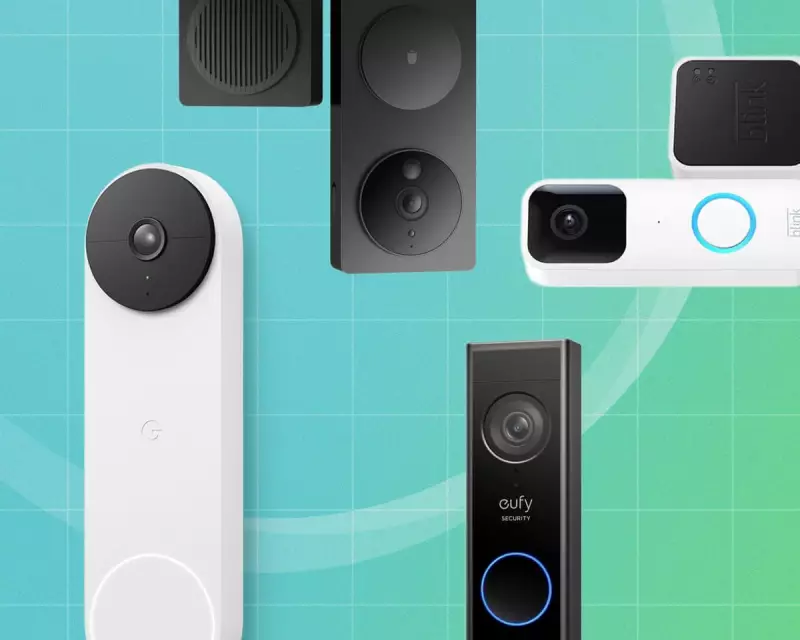
In an extensive two-week testing period, consumer technology expert Andy Shaw has put eight popular video doorbells through their paces to determine which models truly deliver on their promises of enhanced home security and convenience.
The Testing Process: Real-World Doorstep Evaluation
Shaw mounted all eight doorbells on a board at typical doorbell height and lived with what he described as a "rigged-up contraption" on his doorstep for a fortnight. The unusual setup raised eyebrows among delivery drivers, while neighbours may have wondered about his repeated laps around the driveway at various times testing motion sensors.
The comprehensive testing measured several critical factors: how close someone could approach before motion detection triggered, the quality and usefulness of recorded video footage, notification speed to smartphone apps, and response time when the doorbell button was pressed. The researcher also evaluated app usability and considered the additional cost of subscriptions.
Overall Winner: Google Nest Doorbell (Battery)
Claiming the top spot as the best video doorbell overall is the Google Nest Doorbell (battery), currently available for £119.98 at John Lewis and Amazon. The device impressed with its excellent viewing angle that captures enough surrounding area without making approaching figures appear too small.
During testing, the Nest consistently detected movement from approximately 3 metres away and delivered clear video and audio quality both in daylight and at night. Notifications to smartphones and smart speakers averaged a reasonable five seconds, among the fastest in the test group.
The main drawbacks: The Nest doesn't include a chime, requiring separate purchase of a Nest Mini smart speaker (£49), and necessitates a £60 annual Nest Aware subscription for useful video storage beyond three hours.
Budget Champion: Blink Smart Video Doorbell
For those watching their pennies, the Blink smart video doorbell with Sync Module 2 represents outstanding value at just £59.99. The version tested includes Blink's Sync Module 2, which plugs into a wall socket and allows connection of USB storage for local video backups.
Despite its budget price, the Blink delivers respectable video quality with a wide-angle lens that provides good coverage without excessive distortion. However, the microphone quality proved the weakest in testing, making two-way conversations with visitors challenging.
Subscription requirement: Even with local storage, motion detection still requires a relatively affordable subscription starting at £2.50 monthly.
Subscription-Free Solution: Eufy Video Doorbell E340
The Eufy video doorbell E340 stands out by eliminating monthly fees entirely, storing footage directly on the device's built-in 8GB storage. Priced from £74.99, this model features dual cameras, including one pointed toward the ground to monitor packages and footwear.
While the Eufy excels in video quality and subscription-free operation, testing revealed occasional reliability issues with motion detection, sometimes missing fast-moving visitors entirely.
Other Notable Contenders
The Aqara G4 (£79.99) distinguishes itself by using six replaceable AA batteries instead of rechargeable ones, eliminating charging downtime. However, its cumbersome app and slow notification speeds prevented it from ranking higher.
Amazon's Ring Battery Video Doorbell Pro (£119) integrates smoothly with Echo smart speakers and continuously records video to extend movement event history. Its ultra-wide lens creates a peephole effect, and it demonstrated the longest notification delays in testing.
The Yale smart video doorbell (from £74.99) offers responsive motion detection and a reasonable field of view but suffers from poor sound quality and unnatural colour tints in footage.
Completing the lineup, the Tapo D235 video doorbell camera (from £79.99) provides good value with included chime and local storage options, though its motion detection range proved limited at approximately 1.5 metres.
Essential Buying Considerations
Prospective buyers should carefully consider whether to choose battery-powered or wired models. Battery doorbells offer easier installation but require periodic charging, typically every month or so depending on usage. Wired doorbells eliminate battery concerns and can integrate with existing chimes but require more complex installation, often needing professional assistance.
Subscription costs represent a significant hidden expense with most video doorbells. Cloud storage subscriptions typically cost a few pounds monthly and transform basic doorbells into comprehensive visitor archives. Some models like the Eufy and Tapo offer local storage alternatives that avoid ongoing fees.
Integration with smart home ecosystems provides additional functionality. Smart displays like Amazon's Echo Show or Google's Nest Hub Max can show live doorbell feeds when activated, while voice assistants enable hands-free control.
Battery life varies considerably depending on usage patterns, environmental factors, and temperature conditions. Manufacturers provide vague estimates ranging from "months" to one-six months, with colder weather reducing performance. Most doorbells carry one-two year warranties, though internal batteries may deteriorate over time.
All tested doorbells not returned to manufacturers are being donated to the British Heart Foundation, according to the researcher.




