
Amazon Makes $11.57 Billion Satellite Acquisition to Rival SpaceX's Starlink
In a bold strategic move to accelerate its space-based ambitions, Amazon has announced plans to acquire satellite communications company Globalstar in a monumental deal valued at $11.57 billion. This acquisition represents a significant escalation in the intensifying battle for dominance in the satellite internet sector, positioning Amazon's Project Kuiper network as a direct competitor to Elon Musk's SpaceX and its Starlink service.
Strategic Expansion of Amazon's Satellite Network
The acquisition will provide Amazon with immediate access to Globalstar's existing network of approximately two dozen satellites operating in low-Earth orbit. This infrastructure boost comes as Amazon races to deploy its own constellation of satellites, with plans to launch about 3,200 units by 2029. The company faces a critical regulatory deadline requiring half of these satellites to be operational by July 2026.
Currently, Amazon operates a network of more than 200 satellites and is preparing to launch commercial satellite internet services later this year. This expansion stands in stark contrast to SpaceX's Starlink, which has established itself as the market leader with approximately 10,000 satellites already in orbit and serving over 9 million users worldwide.
Financial Structure and Shareholder Options
Under the terms of the agreement, Globalstar shareholders will have the option to receive either $90 in cash per share or 0.3210 shares of Amazon common stock for each Globalstar share they own. The deal remains subject to regulatory approvals and Globalstar's achievement of specific satellite deployment milestones, with completion expected sometime next year.
Globalstar's Established Infrastructure and Apple Partnership
Louisiana-based Globalstar brings more than just satellite hardware to the table. The company has gained significant consumer recognition as the service provider behind Apple's "Emergency SOS" feature on iPhones and Apple Watches. In a parallel agreement, Amazon and Apple have committed to maintaining these critical safety features, ensuring continuity for millions of Apple device users.
Globalstar's services extend beyond consumer applications, offering comprehensive voice, data, and asset-tracking solutions across enterprise and government markets. The company had previously announced plans to expand its satellite network to 54 units, including backup satellites, with substantial backing from Apple's $1.5 billion investment.
The Broader Satellite Internet Competition
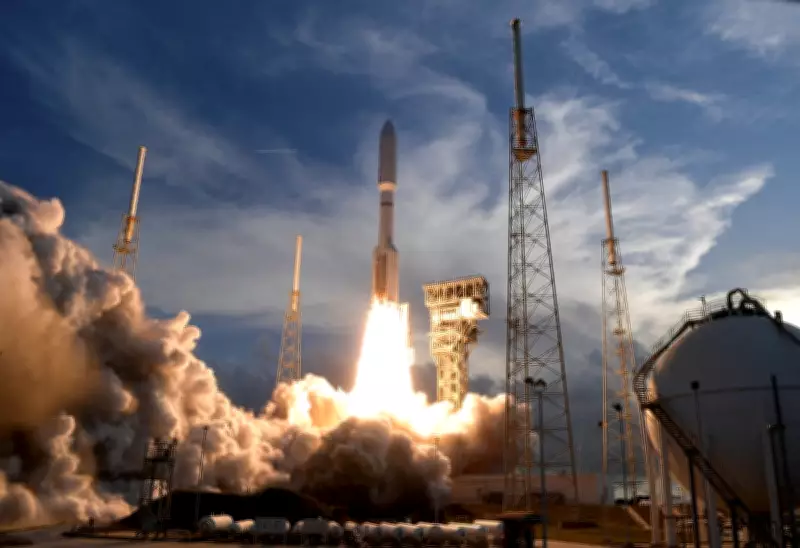
This acquisition marks a pivotal moment in the rapidly evolving satellite internet industry. Amazon's Project Kuiper, which saw its first satellites launched aboard an Atlas V rocket from Cape Canaveral in April of last year, now gains substantial infrastructure and expertise through Globalstar's established operations. The move signals Amazon's determination to compete aggressively in a market that promises to deliver high-speed internet connectivity to underserved regions globally.
As regulatory bodies review the acquisition, industry observers will be watching closely to see how this consolidation affects the competitive landscape. The deal represents not just a corporate transaction, but a significant step forward in the commercialization of space-based technologies and services.




