
A prominent academic has challenged the notion that corporate giants like Amazon represent a new form of 'technofeudalism', arguing instead that they signify the intensification of traditional capitalist logic.
Debating the Nature of Modern Power
The debate was sparked by former Greek finance minister Yanis Varoufakis, who in late November posited that Amazon's control over crucial digital infrastructure has ushered in an age of 'technofeudalism'. Varoufakis contends that this model forces businesses, governments, and users to pay economic rents, moving beyond classic capitalist market dynamics.
However, Professor Benjamin Selwyn from the University of Sussex has robustly countered this view in a letter to the Guardian. Selwyn asserts that this perspective relies on an idealised vision of historical capitalism. He draws parallels with entities like the East India Company, which, with state backing, monopolised trade routes and resources to command above-market prices.
Rents, Labour, and Historical Precedent
Selwyn invokes Karl Marx's analysis in Capital, noting that English landlords played a key role in capitalism's birth by enclosing land and earning monopoly rents from its control. These rents, he stresses, were a portion of surplus value originally generated by exploited labour.
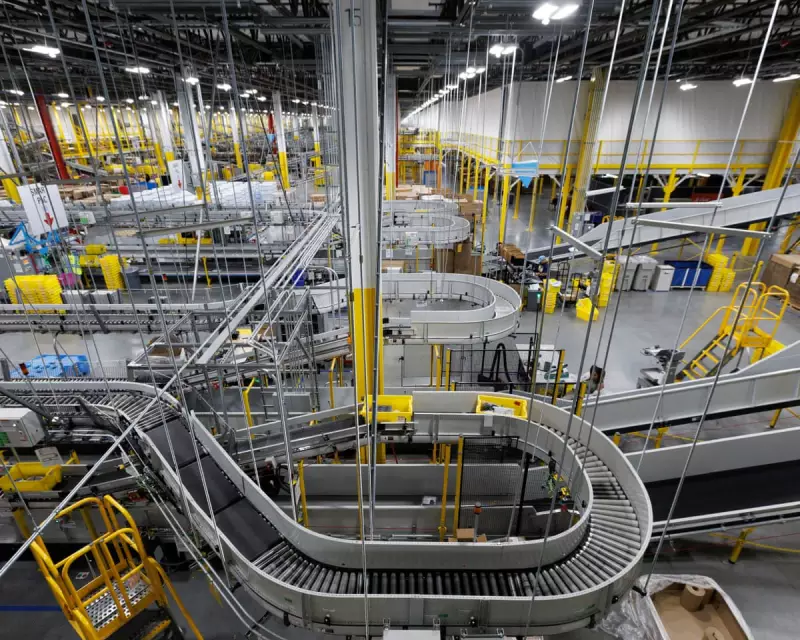
'Varoufakis contrasts this with today’s firms, arguing that they extract rents rather than produce goods,' Selwyn writes. 'But these rents still originate in labour. Every product sold on Amazon depends on human work – whether in factories, warehouses or delivery networks.'
The Deepening Grip of Capitalist Logic
For Selwyn, Amazon does not signal a return to feudalism but exemplifies capitalism's evolution. The company's formidable power stems from honing core capitalist practices: optimising global supply chains, implementing algorithmic management, and pursuing relentless cost-cutting. These mechanisms, he argues, squeeze labour more efficiently than ever before.
He highlights that the global working class is now hundreds of times larger than in Marx's era, and its exploitation remains the foundation of the economic rents described. 'To frame this as 'technofeudalism' risks obscuring the real problem – not a break from capitalism but its deepening grip on production, distribution and everyday life,' Selwyn concludes.




