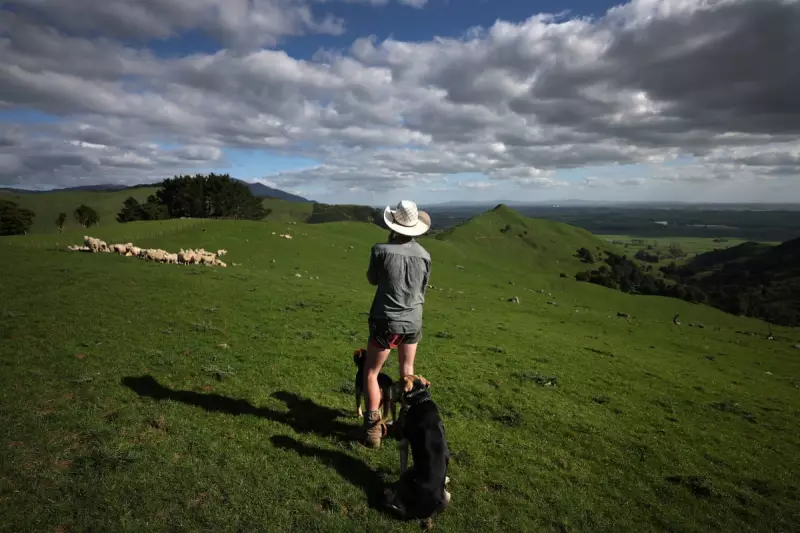
Across New Zealand's verdant landscapes, a generation of young farmers is confronting a harsh reality: they work the land that feeds the nation, but few will ever own it. This growing crisis threatens the future of the country's agricultural backbone and the communities it supports.
The Impossible Dream of Land Ownership
For many young agricultural workers, the aspiration to own a farm has become what one described as "a pie in the sky dream." Skyrocketing land prices, intense competition from corporate investors and overseas buyers, and overwhelming debt levels have created insurmountable barriers. The average price of dairy farmland has reached staggering heights, placing ownership firmly out of reach for most new entrants to the industry.
Tom Kay, a 29-year-old farm manager, embodies this struggle. Despite his expertise and dedication, he acknowledges that purchasing his own property remains a distant fantasy. "You see these beautiful pieces of land," he reflects, "and you know you have the skills to work them, but the financial reality hits hard." His story echoes across the farming community, where many skilled workers face lifetime tenancy rather than ownership.
Innovation Against Adversity
Faced with these challenges, a new wave of agricultural entrepreneurs is finding creative pathways into farming. Some are turning to specialty high-value crops that require less land, while others are exploring cooperative ownership models and lease-to-own arrangements. The shift toward sustainable and regenerative farming practices also offers new economic opportunities that don't necessarily demand vast land holdings.
Organizations like the New Zealand Young Farmers club have become crucial support networks, providing mentorship, training, and community for those navigating these difficult circumstances. They're fostering a new agricultural ethos that values innovation and resilience alongside traditional farming knowledge.
Broader Implications for New Zealand
The consequences of this land ownership crisis extend far beyond individual aspirations. With an aging farming population and increasing pressure on food production systems, New Zealand faces significant questions about who will grow the nation's food in coming decades. The situation raises concerns about rural community sustainability and the transfer of agricultural knowledge between generations.
Industry leaders and policymakers are beginning to recognize the urgency of the situation. Some propose targeted government interventions, while others advocate for financial instruments specifically designed to support new farmers. The conversation has expanded to include questions about land use priorities and the very purpose of agricultural land in modern New Zealand.
As one young farmer poignantly noted, "We're the ones who know how to work this land, who love this land. But unless something changes, we'll remain permanent tenants on soil we treat as our own." Their determination continues to drive innovation in one of New Zealand's most vital industries, even as the dream of ownership remains elusive for most.