The Evolution of Whisky Investment: From Niche Collecting to Global Digital Market
The world of whisky investment has dramatically expanded beyond its traditional collector roots over the past decade. What was once a niche market dominated by enthusiasts has transformed into a global alternative investment sector, fueled by the rise of online auction platforms and increasing interest from diverse international audiences. While recent market indicators suggest a cooling period, industry experts characterize this shift as a necessary adjustment rather than a decline, with demand consolidating around core principles of quality, rarity, and transparency.
The Digital Auction Revolution
Whisky auctions have undergone a complete transformation from secretive, closed-door events to public, globally accessible digital marketplaces. Leading this charge was Perth-based Whisky Auctioneer, which pioneered international, digital-first services when it launched in 2013. The platform has since sold more than 750,000 lots to collectors across over 80 countries, offering everything from vintage bottles to entire casks and inaugural releases from emerging distilleries.
Despite broader market adjustments, record-breaking sales continue to demonstrate sustained demand for truly scarce collectibles. A striking example is a single bottle of Samaroli Tormore 1966 Matured in Sherry Wood, which recently surged in value from £15,000 to £20,000 at auction. This exceptional piece exemplifies the market's ongoing appetite for items that combine exceptional liquid quality with distinctive design and genuine scarcity.
Addressing Fraud Through Technology
Serious cases of cask fraud have exposed significant vulnerabilities within the whisky investment sector over the past year. The BBC Disclosure program 'Hunting the Whisky Bandits' brought widespread attention to these fraudulent activities, highlighting not only the immediate financial impacts but also deeper structural weaknesses in how casks are traded and tracked.
In response to these challenges, industry expectations are shifting dramatically. Market participants are now grappling with how to ensure transparency, accountability, and verifiable provenance throughout the investment process. The stakes are high, as diminished trust could ripple across all aspects of the spirits business, affecting auction houses, distilleries, retail operations, and even tourism.
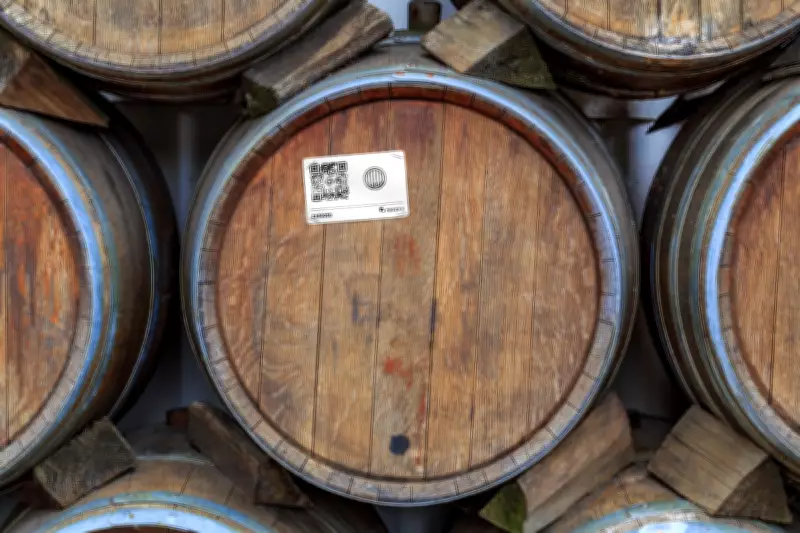
"The cask ownership space suffers from a toxic combination of minimal regulation and outdated paper-based systems," explained Stuart Maxwell, COO of Proof 8. This blockchain-backed digital platform digitizes distillery and warehouse management, enabling comprehensive traceability from grain to bottle. For investors, the security provided by digital deeds that track cask ownership represents a significant advancement in market safety.
Maxwell emphasizes the critical importance of embracing such technologies: "Providing transparency and authenticity has become absolutely essential for luxury products like whisky."
The Rise of Values-Driven Investment
While the stereotypical whisky investor might conjure specific imagery, the reality is evolving rapidly. A younger, more values-driven demographic is entering the investment space, bringing different priorities and expectations. Research from Stratiphy reveals that nearly half of adults under 35 have made recent investments, compared to less than a quarter of those over 55.
This younger cohort consistently reports environmental and sustainability concerns as investment priorities, creating compelling reasons for distilleries to showcase their green credentials. Fife distillery InchDairne recently achieved B Corp status, joining a growing number of environmentally focused producers taking similar steps.
"This achievement isn't about claiming to be 'the most sustainable,'" commented Managing Director Scott Sneddon. "It's fundamentally about accountability. Scotch whisky only has a future if it evolves responsibly, and B Corp provides us with the necessary tools to pursue that evolution."
Beyond Scotland, distilleries in emerging 'New World Whisky' regions are also advancing values-focused, transparent production methods. Copenhagen Distillery exemplifies this trend, producing 100% organic whisky powered entirely by wind turbines and solar panels. Their products have found strong demand within the luxury market, demonstrating that sustainability and quality can coexist successfully.
Balancing Heritage with Innovation
For an industry fundamentally built on heritage and tradition, the path forward requires careful balance. Distilleries must maintain their sense of history and authenticity while simultaneously evolving with integrity. Failure to adapt risks undermining the very trust that forms the foundation of whisky's enduring value proposition.
The whisky investment landscape continues to mature, integrating technological solutions, responding to fraud challenges, and accommodating new investor demographics. As digital platforms expand access and blockchain technology enhances security, while sustainable practices attract younger investors, the market appears poised for continued evolution rather than contraction. The future of whisky investment will likely be defined by this delicate equilibrium between preserving tradition and embracing necessary innovation.