Thousands of independent businesses across the United Kingdom are preparing for their energy expenses to more than double, driven by a sharp escalation in heating oil costs. This surge is directly linked to the war in Iran, which has propelled Europe's fuel market prices to unprecedented record highs, creating a severe financial strain on small and medium-sized enterprises (SMEs).
Heating Oil Dependency and Price Surge
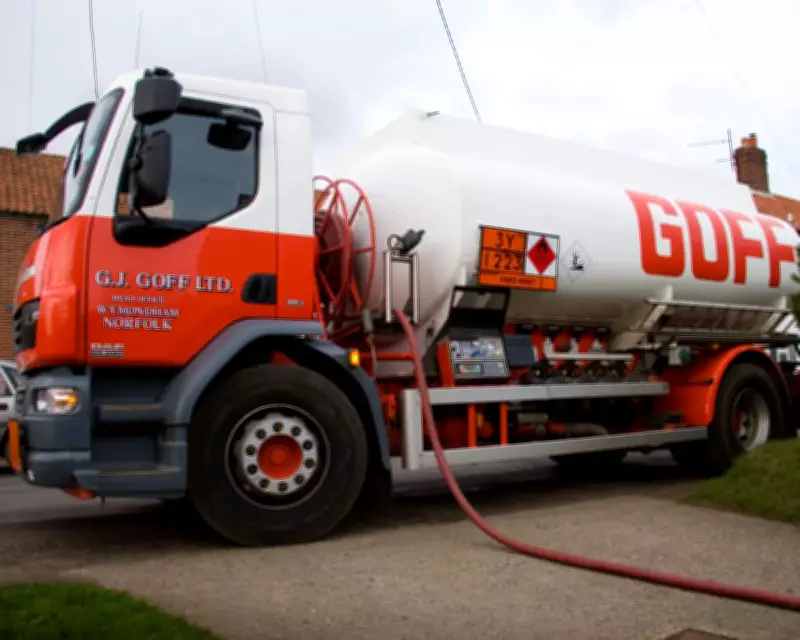
Approximately 7% of all small and medium-sized companies in the UK rely on heating oil to warm their properties and supply hot water. In recent weeks, the price of this fuel has, in some instances, more than doubled, exacerbating the economic challenges faced by these businesses. Rural firms are particularly vulnerable, as they are often not connected to the national gas grid, leading to a heavier dependence on heating oil, a kerosene-based product tied to jet fuel costs.
According to the Federation of Small Businesses (FSB), about 17% of rural small and medium-sized enterprises use heating oil. The trade association has received reports from members who have already started rationing their fuel consumption to manage the dramatic price increases over the past few weeks.
Case Study: North Yorkshire Hospitality
Anthony Jenkins, owner of a hotel and restaurant in North Yorkshire, shared his experience with the volatile market. His heating oil supplier charged 54.9p per litre in January but demanded 129p in late March, representing an increase of over 135%. Jenkins recounted, "Many rural businesses, including ours, need to rely on heating oil, but the price increases have been extraordinary. Our supplier refused to give us a firm quote for over a week after we booked a delivery, and told us the day before that it would be 116% higher than before the crisis."
To mitigate costs, Jenkins reduced his order to half the usual amount and requested guests to lower radiators instead of opening windows, a measure that received cooperative responses due to widespread awareness of rising fuel prices. He is also exploring alternative energy sources, such as solar heating for hot water, to avoid inflating his annual £3,000 heating oil bill. "Luckily, we fixed our electricity contract a few days into the conflict, but even then, deals were disappearing from the market," he added.
Market Dynamics and Regulatory Concerns
The FSB, representing around 200,000 businesses and sole traders, has urgently called on the UK's competition watchdog to include the SME sector in its investigation into the heating oil market. This appeal comes as the global energy supply shock, fueled by the Middle East conflict, drives record-high prices on Europe's diesel and jet fuel wholesale markets.
Market intelligence firm Argus reported that North-west European jet fuel and diesel prices exceeded $1,900 (£1,434) and $1,600 per tonne, respectively, reaching new all-time highs. Market participants are bracing for further escalation over the long Easter weekend, adding to the uncertainty.
Tina McKenzie, policy chair of the FSB, highlighted additional risks: "Many thousands of small businesses use a broker to find an energy contract, but this is an area where we think stricter rules are needed." She emphasized that small companies lack the protections afforded to household energy customers, such as government price caps, despite being more similar to households than larger corporations. "Business energy customers are nervous, and the situation is rapidly evolving, meaning conditions are ripe for rogue brokers to take advantage of customers' stress and lack of information," McKenzie warned.
Regulatory Response and Future Measures
While proposals have been suggested to enhance protections for small businesses against unscrupulous energy brokers, including increased scrutiny by the energy industry regulator Ofgem, these measures will not be implemented until new legislation is enacted. An Ofgem spokesperson stated that the regulator has contacted non-domestic suppliers and brokers to remind them to treat customers fairly, prioritize transparent pricing, and ensure positive consumer outcomes.
"We understand that the volatility we are seeing in the market as a result of the conflict in the Middle East is concerning for businesses," the spokesperson said. "We expect businesses, particularly smaller organisations, to be properly supported as they navigate challenging market conditions."
The ongoing crisis underscores the fragile economics of small businesses in the UK, with rural enterprises facing disproportionate impacts due to their reliance on heating oil. As the conflict persists, the need for regulatory intervention and market stability becomes increasingly critical to safeguard the viability of these vital economic contributors.