British small businesses are facing their most challenging holiday season in years as former President Donald Trump's proposed tariffs threaten to devastate Christmas sales for UK exporters.
The Looming Threat to Festive Trade
With the crucial holiday shopping period fast approaching, UK small and medium-sized enterprises (SMEs) that export to the United States are confronting unprecedented uncertainty. The potential implementation of 10% across-the-board tariffs on all US imports, as proposed by Donald Trump, could effectively wipe out profit margins for many British businesses during their most important trading quarter.
Industry leaders warn that the timing couldn't be worse. Mike Cherry, national chair of the Federation of Small Businesses (FSB), emphasised the severity of the situation. "We're talking about businesses that rely on the Christmas period for up to 40% of their annual revenue," he stated. "These tariffs could be the difference between survival and closure for many."
Businesses Already Feeling the Impact
The anxiety is particularly acute for British food and drink producers, who typically see a significant surge in US orders during the festive season. Artisan cheesemakers, specialty biscuit producers, and premium beverage companies are among those most exposed to the potential trade barriers.
One Yorkshire-based craft gin distillery, which asked to remain anonymous, reported that American retailers are already hesitating to place their usual large Christmas orders. "We've had conversations where buyers are saying they need to wait and see what happens with the tariffs," the distillery's owner explained. "The uncertainty is paralysing our planning."
The Federation of Small Businesses has identified several key sectors at immediate risk:
- Food and drink producers
- Fashion and accessories retailers
- Homeware and gift manufacturers
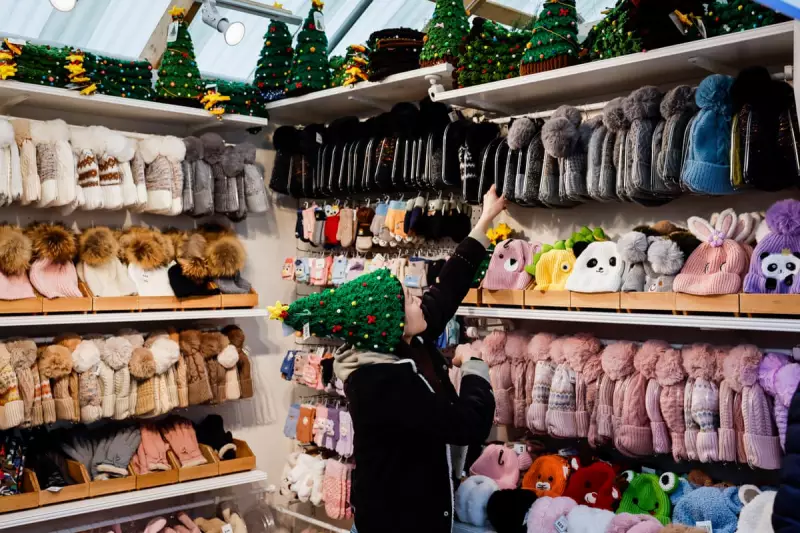
- Specialty Christmas decoration makers
Strategic Responses and Contingency Planning
In response to the growing crisis, affected businesses are exploring multiple strategies to mitigate the potential damage. Some are considering absorbing the tariff costs to maintain market share, while others are looking at diversifying into European and Asian markets.
However, both approaches present significant challenges. "Absorbing a 10% cost increase means essentially working for no profit during our busiest period," noted a London-based fashion exporter. "But finding new markets takes time we simply don't have before Christmas."
The British government has acknowledged the concerns, with trade officials reportedly engaging in behind-the-scenes discussions with US counterparts. Nevertheless, with the political situation in America remaining fluid, most businesses are proceeding on the assumption that the tariffs could be implemented with little warning.
As the holiday season approaches, the resilience of UK small businesses is being tested like never before. The outcome will not only determine their Christmas fortunes but could shape the future of British exporting for years to come.