The UK's vibrant community of independent brewers has issued a direct plea to the Chancellor of the Exchequer, urging a fundamental rethink of planned changes to business rates that they warn could devastate the sector.
What Are the Proposed Changes?
The central issue is a government proposal to alter the system of Small Business Rates Relief (SBRR). Currently, many small breweries benefit from significant relief, but the planned reforms could see their rateable values reassessed upwards. This move, brewers argue, would lead to a dramatic and unsustainable increase in their fixed costs.
Industry leaders have highlighted that these changes come at a time when the sector is already grappling with severe inflationary pressures. The cost of key ingredients like barley, hops, and energy has soared, while consumers are tightening their belts. Adding a steep rise in property taxes could be the final blow for many.
A Sector Under Threat
The Society of Independent Brewers (SIBA), which represents hundreds of small brewers across the country, has been vocal in its opposition. They warn that the proposed hike is not just a minor adjustment but a potential existential threat. Many small breweries could face closure, leading to job losses and a significant reduction in consumer choice at the pub and in shops.
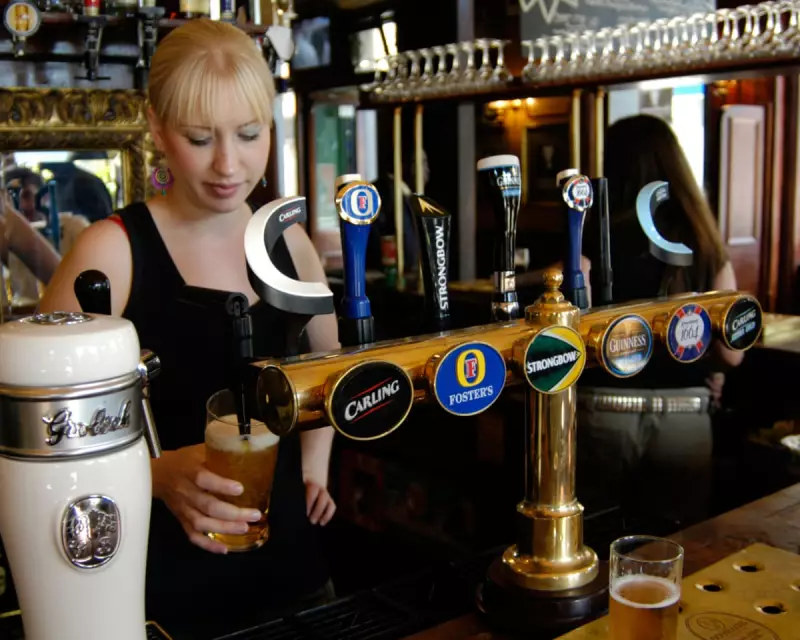
Beyond closures, the industry body predicts that surviving businesses would have little choice but to pass the increased costs onto customers. This means higher prices for a pint of locally brewed beer at a time when the cost of living remains a critical concern for households nationwide. The unique character and innovation that small brewers bring to the UK's drinks landscape are at risk of being homogenised.
Calls for Government Intervention
The campaign from brewers is clear: they are calling on the Chancellor to pause and reconsider the proposed reforms. They argue that the government should be supporting a traditional yet innovative British manufacturing sector, not imposing financial burdens that could cripple it.
Their case is built on the sector's contribution to local economies, tourism, and community pubs. Small breweries are often embedded in their local areas, providing employment and supporting the hospitality supply chain. The proposed changes to business rates, they contend, fundamentally misunderstand the fragile economics of small-scale brewing.
The coming weeks are seen as crucial for the industry's future. With the government reviewing its position, brewers and their supporters are making a final push to highlight the consequences of the policy. The message to Westminster is that protecting small brewers is essential for preserving British brewing heritage and future growth.