Family businesses across Britain are facing an existential threat from Labour's planned inheritance tax reforms, with thousands of long-established companies potentially being forced to break up or sell to meet new tax liabilities.
The Heart of Britain's Economy Under Threat
Nick Showering, director of the 180-year-old Showerings cider company in Somerset, has voiced serious concerns about Chancellor Rachel Reeves' changes to business property relief. The reforms, set to take effect in April 2026, will increase inheritance tax from zero to 20 percent on all assets worth over £1 million.
"Family businesses like ours make up over 90 percent of companies in the UK and employ over half the workforce," Showering explains. His own company, incorporated as a private business in 1932, employs 350 people and represents the type of enterprise that forms the backbone of Britain's regional economies.
Unintended Consequences for Medium-Sized Businesses
While much attention has focused on the impact on family farms, Showering warns that the changes will drag millions of medium-sized family companies into the inheritance tax net for the first time. The reality is stark: many inheriting businesses won't be able to afford the resulting tax bills.
"In many cases, shareholdings will have to be sold, fundamentally changing the ownership structure and culture of decision-making," Showering notes. He highlights the particular unfairness that foreign business owners operating in the UK will avoid the tax entirely.
The financial calculations reveal a concerning picture. The tax change is only forecast to raise £500 million annually, while Family Business UK estimates it will lead to 208,000 job losses and an overall £1.9 billion hit to the Treasury.
A Bitter Harvest for British Business
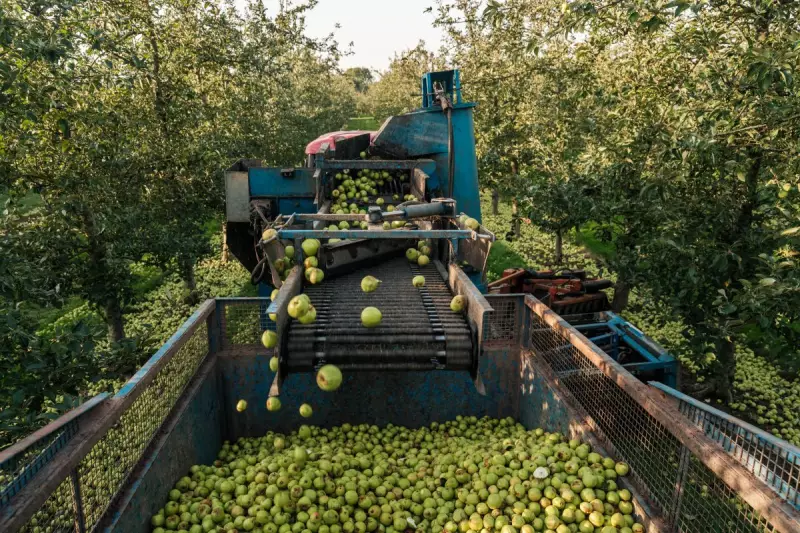
The timing of these concerns coincides with what should be a celebratory period for Showerings. England is concluding a record-breaking apple harvest, with expectations of up to 3,000 tonnes of apples compared to just 1,000 tonnes collected last year.
The company's success story continues with their premium cider now available in 95 Waitrose stores, achieving 51 percent growth in sales volumes this year while the wider cider category has flatlined.
Yet this business success story could be undermined by tax policies that fail to recognise the unique nature of family enterprises. "When family companies are the lifeblood of the economy, this policy doesn't make sense," Showering concludes. "Any government focused on growth should be doing all it can to help them flourish."