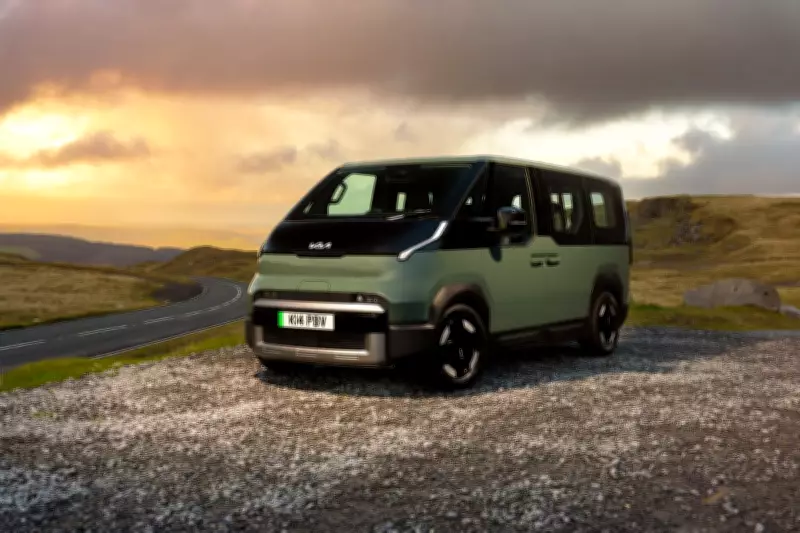
Kia PBV Passenger: A Revolutionary Electric 'Lego Car' Concept
Published on 5th April 2026, the Kia PBV Passenger has sparked curiosity and excitement in the automotive world. This electric vehicle concept, blending elements of a van, MPV, and blank canvas, is poised to redefine personal and commercial transport with its innovative design and affordability.
Unveiling the Versatile Platform
When parked outside a home, the Kia PBV Passenger often elicits questions like, "What on earth is that?" from neighbours. Describing this vehicle is less engaging than experiencing it firsthand. At its core, the PBV is an all-electric platform serving as a versatile base for various vehicle types, tailored to diverse purposes. This concept, reminiscent of a Lego car, features a flat, skateboard-like electric foundation that can accommodate different bodies or cabins bolted on top.
Inspector Gadget fans might appreciate the potential here, as the PBV could lead to creative adaptations, such as lavish campervans for companies or bespoke delivery vehicles for cargo needs. It might even serve as a foundation for autonomous passenger pods in the future.
Interior and Practicality Insights
The launch model reviewed is a five-seater MPV-style vehicle with an interior spacious enough for social gatherings, showcasing the template's versatility. Inside, the design prioritizes function over form, with a utilitarian yet ergonomic layout. The absence of a centre console enhances roominess, while large windows improve visibility. A column-mounted gear selector proves user-friendly, though interior styling is minimalistic.
Currently configured as a massive estate car or empty MPV, the vast boot space hints at potential for additional seating rows, with a seven-seater version anticipated. This practicality evokes nostalgia for the era of people carriers, challenging the modern SUV trend. Kia has also introduced a cargo version to highlight load-lugging capabilities, adding to the excitement for future adaptations by camper van companies.
Affordability and Market Position
One of the most compelling aspects of the PBV is its affordability, with prices starting around £33,000. This makes it an attractive alternative to competitors like the VW ID. Buzz, which costs approximately double. While the PBV may lack some premium features, such as electric doors, its platform invites customization by bespoke coachbuilders, opening up endless possibilities.
Potential Challenges and Performance
Despite its promise, the PBV faces hurdles. The initial design, with external similarities to the Fiat Multipla, might not appeal aesthetically to all. Range and charging speeds are also considerations, with two battery options offering 183 or 256 miles, and a charging speed of 150kW that may suit commercial fleets but could be limiting for campervan users or large families.
On the road, the PBV impresses with its handling. For a large, slab-sided vehicle, it accelerates smoothly, corners securely, and rides comfortably, thanks to the proven E-GMP platform. As a five-seater, it suits families who travel with ample gear; as a seven-seater, it becomes a highly affordable and practical option; and as a van, it serves as a reliable workhorse.
Conclusion: A Game-Changer in Transport
In summary, the Kia PBV Passenger represents a bold step in automotive innovation. Its versatile platform encourages creativity for leisure, family, and commercial vehicles, positioning Kia as a leader in smart transport solutions. With its combination of affordability, practicality, and potential for customization, the PBV could indeed be a game-changer, reshaping how we think about electric vehicles and their applications in daily life.