Jaguar Land Rover (JLR) has announced a voluntary redundancy programme for salaried and management staff, potentially affecting up to 4,000 jobs over the next two years, as the company faces financial losses from a cyberattack and US tariffs.
Redundancy Programme Announced
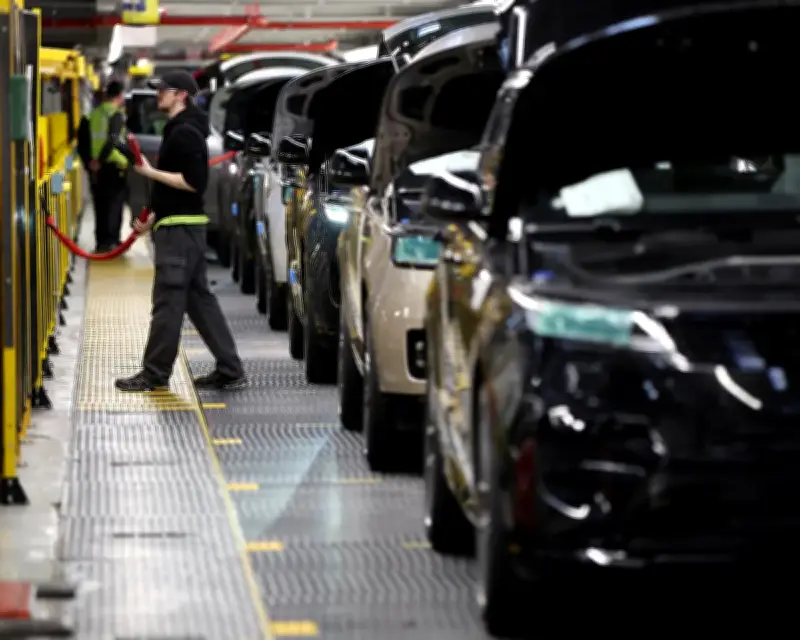
JLR informed workers and their union on Saturday that it would open a voluntary redundancy programme for salaried and management team members, according to reports from the BBC and the Sunday Times. The Times reported that as many as 4,000 jobs could be cut over two years, although JLR told the BBC it had not yet confirmed the exact number.
The company, owned by Indian conglomerate Tata Motors, needs to save approximately £1.7bn over the next two years, according to JLR's statement to the BBC.

Union and Government Response
Unite's general secretary, Sharon Graham, told the BBC that she and business secretary Jonathan Reynolds would meet with JLR's chief executive, PB Balaji, next week. This follows a weekend of intensive talks aimed at mitigating job losses.
About 30,000 of the company's 44,000 employees are based in the UK, with most working at 14 plants across the West Midlands, where JLR is one of the region's largest employers.
Financial Impact and Challenges
The job cuts come as a blow to the prime minister, Andy Burnham, who has pledged to “safeguard sovereign manufacturing” and reindustrialise Britain. Under his predecessor Keir Starmer, Labour had underwritten a £1.5bn loan guarantee to JLR after the company halted production for several weeks last year due to a cyberattack.
The cyberattack led to a 27% drop in overall production and cost the company about £200m. This was one of several factors that caused JLR's profit before tax to fall to just £14m, down from £2.5bn the year before.
US Tariffs and Market Conditions
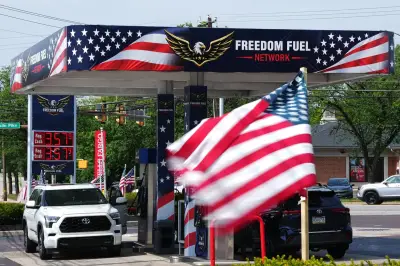
Tariffs on vehicles imported into the US, which President Donald Trump raised to 25% before agreeing to a 10% rate for the UK, also disrupted the carmaker's plans to push more luxury cars into the American market. These tariffs contributed to a fall in retail volumes (sales via dealerships) of about 70,000 and wholesale volumes of about 90,000.
“These challenges arrived with the global automotive industry already under continued pressure from cost inflation, slower-than-expected uptake of electric vehicles, and the deterioration of market conditions in China,” Balaji said in the company's annual report published in May.
In response to these pressures, JLR launched its first electric Range Rover this week, priced from £154,070, aiming to attract climate-conscious buyers of the luxury SUV.