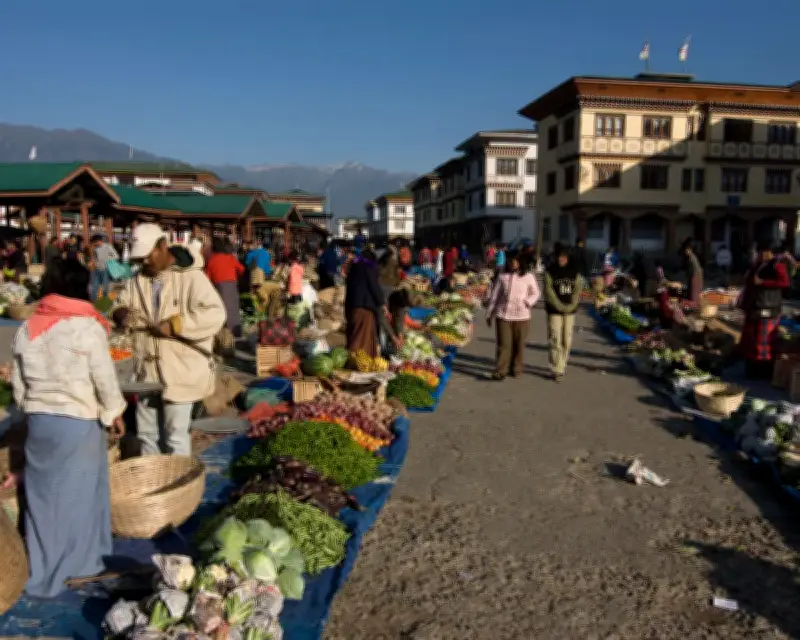
Delegates from more than 60 countries and the United Nations are gathering in Paro, Bhutan, for the world's first “conscious food summit,” a five-day event aimed at addressing global food system failures by reviving a spiritual connection to food. Organisers argue that mending broken food systems under the threat of climate-driven weather extremes requires more than economic fixes and intensive agriculture.
Summit opens in Paro with focus on inner and outer change
Tshering Tobgay, Bhutan's prime minister, said: “Food lies at the intersection of many of the defining challenges of our time – hunger, poor nutrition, poverty, climate change, biodiversity loss, and increasingly food security is also being disrupted by conflict and geopolitical instability. Our central message is simple: transforming our food systems requires both inner and outer change.”
The summit will bring together governments, farmers, mindfulness experts, and yoga therapists to promote regenerative practices and Indigenous knowledge. “Consciousness can cultivate compassion, empathy, resilience, creativity and a stronger connection with nature,” Tobgay said in an interview with the Guardian. “This does not mean choosing spirituality over science. It means recognising that our values and mindsets influence how science, policy, finance and technology are used.”

Climate disasters and super El Niño heighten urgency
The urgency of the talks is underscored by recent events near Bhutan's borders. In neighbouring Nepal last week, a glacial collapse triggered floods and landslides that killed hundreds. The World Food Programme has warned that 50 million people could be pushed close to starvation as the “super El Niño” hits this year and next, with food shortages and higher prices for staples likely worldwide. This follows a northern hemisphere summer in which harvests were devastated by drought, intense heat, and wildfires.
Jerry Spooner, of Regenerative Vanua, a Pacific NGO, said the threats would push global food systems to their limit. “As we face the growing impacts of climate change, a potential super El Niño, biodiversity loss and increasing global instability, it is becoming clear that our food systems are not resilient enough for the challenges ahead,” he said. “The opportunity in Bhutan is to move beyond discussing how we produce more food and instead focus on how we build food systems that regenerate ecosystems, strengthen communities, celebrate culture and improve our collective resilience.”
Conscious eating and the role of values
Tobgay said people must articulate the values they want reflected in food production and consumption, rather than relying solely on businesses and governments. “Food systems are ultimately shaped by human choices, institutions, incentives, relationships and values,” he said. “So we must address root causes as well as symptoms.” He added that farmers and rural people are often at the mercy of markets and global forces. “Too often, policies are developed for these groups rather than with them,” he said.
The summit will focus on fostering inner change with the help of “spiritual masters” such as mindfulness practitioners, rather than on bombastic political speeches. Food has become a commodity on world markets and is treated carelessly, leading to waste and unhealthy eating, and those attitudes must be reversed, Tobgay said. “Outer change is agriculture, markets, finance, public policy and consumption,” he explained. “Consciousness has value only if it influences our decisions and changes how we act. For example, a conscious approach to production would care for both the land and the farmer. It would regenerate soils, not deplete them. It would protect water. It would reduce pollution and deforestation and recognise the dignity and wellbeing of the people who produce the food that sustain us.”

Tobgay described his own daily practice: he begins each day at 5am with a bowl of porridge and a banana, eaten sitting by a small stream near his house. “I listen to the birds that are up and about by that time, I listen to the stream and the water,” he said. He suggested that anyone could try conscious eating, noting that many cultures have traditions of reflecting on food, its provenance, and giving thanks before meals. Reviving such practices would take almost no time but could be a first step toward a revolution in how we treat the planet and each other.