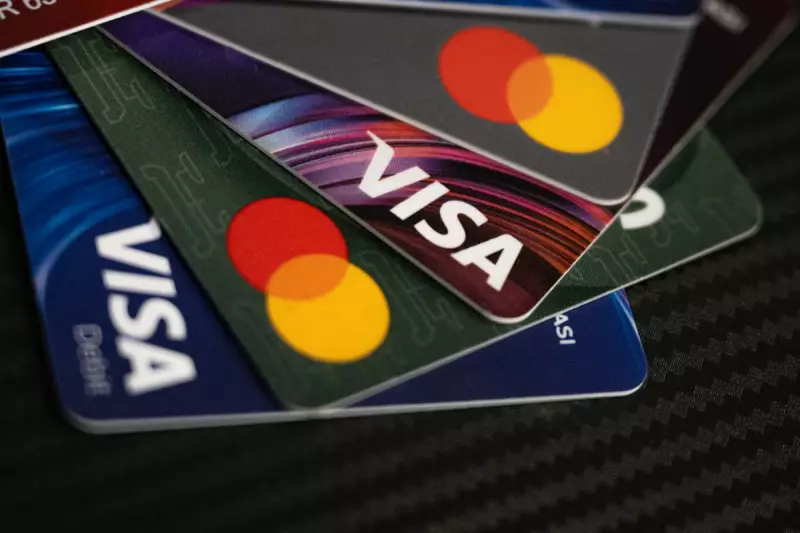
A Seismic Shift in Card Payments
For years, a bitter battle has raged between merchants and credit card giants Visa and Mastercard over contentious transaction fees. This long-standing conflict has now reached a dramatic conclusion, with the card networks agreeing to a landmark settlement. While hailed as a victory for retailers, this development may ultimately create more complications than it resolves for the very small businesses it was meant to help.
The New Payment Landscape for Consumers
The immediate fallout from this settlement is already visible on the high street. Consumers attempting to make everyday purchases are encountering a new array of charges and restrictions. That new shirt from a local boutique might now carry a 2.5% 'financing' surcharge for credit card users. A meal at the neighbourhood café could require cash to avoid extra fees. Even grabbing a bag of crisps and a drink from a corner shop might be impossible with plastic unless you're spending a minimum of £10.
These practices have long irritated consumers who increasingly rely on digital payments. The fundamental question remains: why are customers being penalised for using what has become a standard form of payment in favour of an increasingly obsolete alternative like cash?
The Hidden Costs of 'Victory'
While merchants have secured their long-sought fee reductions, the settlement introduces new complexities that could ultimately hurt their bottom line. Fees will now be layered based on the specific card used, with some business owners potentially rejecting certain cards altogether due to prohibitively high processing costs.
This creates a potential nightmare at the point of sale. The average consumer carries approximately four credit cards, according to research. Where previously all cards were treated equally, merchants must now navigate a complex web of different fee structures. Will shops provide lists of acceptable cards? Will customers face unexpected surcharges or be turned away at the counter?
By complicating the payment process, businesses risk losing immediate sales and damaging customer relationships. The administrative burden also increases, requiring potentially costly upgrades to point-of-sale systems to handle the new tiered fee structure.
The Rewards Boomerang Effect
The settlement threatens to trigger what could be called a 'rewards boomerang' effect that directly impacts small businesses. Credit card companies have historically used merchant fees to fund extensive rewards programmes and business partnerships. These programmes offer cardholders 1% to 5% cashback at office supply stores, on internet services, at petrol stations, restaurants and numerous other locations.
Many cards also maintain partnerships with service providers like Google Workspace, ZipRecruiter and Lyft, offering ongoing credits and price reductions specifically targeted at small businesses. With reduced fee income, these valuable programmes and partnerships are likely to be scaled back or made more expensive, directly penalising the small business community.
The data underscores how deeply small businesses are embedded in this ecosystem. Research from the National Bureau of Economic Research reveals that credit card usage by small businesses surged from an average of $10,000 monthly in 2020 to $24,000 by April 2022. Approximately 55% of surveyed small businesses reported using a corporate credit card within the past year.
The Inevitable Cost Shifting
Perhaps the most predictable outcome is that Visa and Mastercard will inevitably recoup their lost revenue through other channels. The card networks will likely impose higher annual membership fees on business accounts, increase late payment penalties, and introduce special charges for services like fraud investigations - all costs that ultimately fall on merchants.
Interest rates on foreign transactions and cash advance fees, typically paid by businesses, may also rise. Alternatively, the card companies could pass increased costs to their banking partners, who would in turn transfer these expenses to their merchant customers.
A more straightforward approach might have been for businesses to simply calculate merchant fees as a percentage of total revenues and spread a small price increase across all products. Would a customer really notice if a burger increased from £12.50 to £12.75? Probably not. But they certainly notice and resent an additional fee tacked onto their bill simply for using a credit card.
While touted as a triumph for merchants, this credit card settlement may ultimately prove to be a pyrrhic victory. Rather than reducing costs, it creates new complexities, threatens valuable rewards programmes, and invites alternative fee structures that could leave small businesses worse off than before.