In a bold move away from conventional employment, a young couple has transformed their lives by embracing caravan living, reporting monthly savings of up to £2,000. Shane Williams and Sarah Camden, both 29, made the decision three years ago to leave behind their previous roles as an estate agent and bank worker, relocating from Hereford to Wrexham to work on a campsite.
Escaping the Nine-to-Five Grind
Previously, Shane and Sarah were caught in a relentless cycle, working a combined 90 hours per week and often arriving home past 5pm. This left them with minimal quality time together, fueling their desire for change. "We were sick of getting home at 5pm at night doing our normal jobs," Shane explains. "We had two hours of seeing each other and have to do it all over again whereas now we get to work with each other every day."
At age 26, faced with the need to move out of their parents' homes, they assessed their options. Renting or taking out a mortgage in their area would have cost at least £1,000 per month. Instead, they opted to purchase a caravan, a decision that has since revolutionised their finances and lifestyle.
New Roles and Reduced Costs
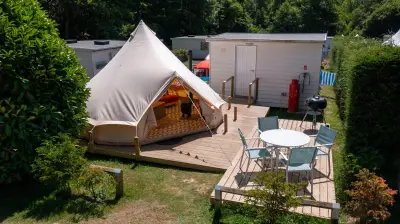
Now employed as campsite workers, Shane and Sarah each earn £1,900 per month. Their roles involve tasks such as mowing grass, checking in guests, and overseeing maintenance, totalling 40 hours per week over five days. A significant perk of their jobs is a free camping pitch, along with complimentary water and electricity, which drastically cuts their living expenses.
Additional benefits include free access to the swimming pool and heavily discounted drinks at the campsite bar. Although their income has slightly decreased, their disposable income has actually risen due to lower outgoings. "If we're being strict with ourselves, we can save £1,000 each per month," Shane notes. "There's £2,000 per month to be saved."
Living Like Kings on a Budget
The couple emphasises that their new lifestyle does not involve deprivation. "But we live like kings – we don't limit ourselves or say 'we can't afford to do that or this,'" Shane asserts. They enjoy frequent meals out, admitting they dine out "a lot more than the average person." With their increased free time, they have also embraced travel, taking four holidays in 2025 alone.
Initially using a caravan gifted by a relative, they have since upgraded their mobile home setup. Using their savings, they purchased a £7,000 caravan and a £13,000 campervan, which they use for getaways during time off. "We do go round travelling in our van now we have the free time for that," Shane adds.
Career Progression and Seasonal Challenges
Last year, both were promoted to head wardens, briefly increasing their income by an extra £400 per month. However, they chose to take a four-month sabbatical to focus on creating branded social media content and travelling in their campervan. For 2026, they have returned to their original roles to maintain a better work-life balance.
Seasonal variations present some difficulties. During the off-season, the caravan can become "cold, wet and damp," which they find a "bit of a struggle." Yet, when summer arrives, they spend most of their time outdoors, enjoying the sunshine. The extra time has also allowed them to welcome a new puppy, Sunnie, into their family.
Monthly Living Costs Breakdown
Shane and Sarah's frugal lifestyle is reflected in their monthly expenses:
- Accommodation: Free
- Water: Free
- Electricity: Free
- Gas: £16 per month
- Car insurance: £60
- Fuel: £200
- Campervan insurance: £56
- Food shopping: £280
- Road tax: £30
Total: £642 per month. This starkly contrasts with the potential £1,000+ they would have spent on rent or mortgage payments.
Future Plans and Lifestyle Benefits
Looking ahead, the couple aims to save for a house, but with a twist. Instead of living in it themselves, they plan to rent it out, allowing someone else to pay off the mortgage. This strategy is intended to provide a long-term "safety net" while they continue their unconventional lifestyle.
Sarah reflects on the positive changes: "It's nice to have a job role that has a different way of life. You get used to being at home and never in the open whereas here we're closer to being outdoors all the time." Shane adds, "We've escaped the normal nine-to-five life. We get two days off a week. The way our rota works once a month we also get four days off in a row."
Their story highlights how alternative living arrangements can lead to significant financial savings and enhanced quality of life, challenging traditional notions of work and home ownership.