Chinese Electric Vehicle Sales Accelerate in UK Market
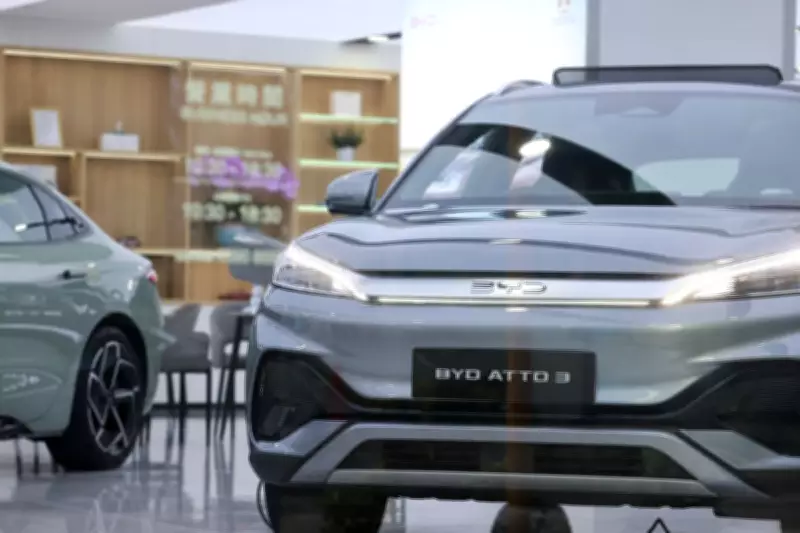
As Prime Minister Keir Starmer prepares for his first official visit to China in nearly a decade, British consumers are demonstrating their enthusiasm for Chinese automotive technology through rapidly increasing electric vehicle purchases. The surge in sales of brands like BYD and Omoda represents a significant shift in the UK's automotive landscape, with Chinese manufacturers establishing a formidable presence in the competitive electric vehicle sector.
From Humble Beginnings to Market Disruption
The journey of Chinese electric vehicle brands in Britain began with modest expectations and unassuming launch events. Just two years ago, the introduction of the Omoda brand occurred in the basement of a Covent Garden hotel, where a small group of journalists gathered around a single SUV model. The vehicle presented itself as surprisingly spacious and luxurious, featuring comfortable seating and polished interior finishes that rivalled established premium brands at a fraction of the cost.
At that initial presentation, Omoda's UK leadership made what seemed like wildly optimistic sales projections, suggesting they would achieve 10,000 sales within their first year of operation. Such ambitious targets appeared unrealistic at the time, reminiscent of overconfident pitches on business investment programmes. However, the subsequent market performance has proven these projections were not as far-fetched as they initially seemed.
Remarkable Sales Growth Documented
Official data from the Driver and Vehicle Licensing Agency reveals the extraordinary trajectory of Chinese electric vehicle adoption in the United Kingdom. During Omoda's inaugural quarter in the British market, covering the three months ending September 2024, the company registered just 194 vehicles. Merely one year later, that figure had skyrocketed to 3,225 units, with current estimates suggesting the brand has likely surpassed its original 10,000 vehicle target.
Omoda's sister brand Jaecoo achieved even more impressive results, recording 7,194 sales during the third quarter of 2025 alone. Both brands have been substantially overshadowed by Chinese automotive giant BYD, which registered more than 16,000 vehicles in the UK market during the same period. This performance placed BYD ahead of Tesla in British electric vehicle sales for 2025 and positioned it just behind established global manufacturers Ford and Volkswagen.
The forthcoming DVLA data release is expected to confirm that BYD has now overtaken both of these venerable automotive marques in the UK electric vehicle market. This development signals that Chinese manufacturers could soon dominate British electric vehicle sales, surpassing both European and American competitors in this crucial sector.
Price-Driven Adoption and Diplomatic Context
Market analysts suggest that British consumers are primarily attracted to Chinese electric vehicles due to their competitive pricing rather than exceptional driving experiences. Recent reviews of BYD models indicate that while these vehicles offer substantial value for money, they may not provide the refined performance characteristics of some established premium brands.
This automotive transformation provides important context for Prime Minister Starmer's diplomatic mission to China. Unlike some international leaders who have implemented erratic tariff policies targeting Chinese imports, Starmer has maintained a more measured approach to trade relations. His government deserves recognition for avoiding retaliatory tariff measures that could escalate into damaging trade conflicts.
The crucial question now facing British policymakers is whether this careful diplomatic strategy will yield benefits beyond access to affordable electric vehicles. As Chinese manufacturers continue to expand their market share in Britain, the government must negotiate terms that protect domestic industries while maintaining positive international relations. The success of Starmer's China visit may be measured not only by continued access to competitively priced electric vehicles but by securing broader economic advantages for the United Kingdom.