Chargeback Fraud Epidemic: A Growing Threat to UK Small Businesses
Experts are sounding the alarm over a surge in chargeback fraud, describing it as an epidemic that is severely impacting small businesses across the United Kingdom. This deceptive practice involves customers paying for goods or services, such as meals at restaurants, and then falsely telling their banks that the transactions were illegitimate to secure refunds.
The Scale of the Problem
According to forecasts by researchers Datos Insights, chargeback is projected to be used 281 million times globally this year, with up to 70% of these cases estimated to be fraudulent. Monica Eaton, chief executive of Chargebacks911, the world's largest chargeback dispute management company, states, "Bottom line: This problem has really become an epidemic. It's really severe for all the small businesses and entrepreneurs."
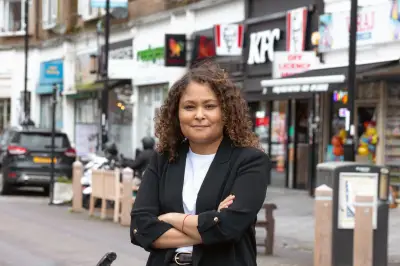
Small business owners like Nima Safaei, who runs 40 Dean Street in London's Soho, have felt the brunt of this fraud. He lost £2,000 to fraudsters last autumn and expressed his dismay, saying, "It is very disappointing and disheartening. For a small independent business, £2,000 is a lot of money. If that would happen in the long-term, say a year, we'd definitely not survive it."
Types of Chargeback Fraud
Chargeback fraud manifests in various forms, from so-called "friendly fraud"—where customers claim refunds due to unrecognized bank statements or unauthorized purchases by family members—to more organized schemes. Adam Scarrott, director of issuing and acceptance at UK Finance, explains that abuse can escalate from individual acts to low-level organized crime, with groups coordinating to exploit the system.
In one alarming case, office staff at a major airline were found encouraging relatives to submit chargebacks for flight tickets while ensuring the company would not contest them internally.
Impact on Businesses and Consumers
The financial toll is staggering. For every £1 in a chargeback claim, retailers lose £2.85 in fees, interest, and merchandise, according to LexisNexis Risk Solutions. Financial services firms face even higher costs, up to £4.80 per claim, due to investigative efforts. Globally, chargebacks were valued at an estimated $33.8 billion last year, with the UK recording an average chargeback value of £60.
Ravneet Gill, a pastry chef and TV presenter who owns Gina Restaurant in Chingford, experiences fraudulent chargeback claims at least once a month. She highlights the administrative burden, noting, "People need to be aware of the impact it has on small businesses, because not only is it just the charge, but it's the admin time it takes somebody who is probably very over-stretched already."
Consequences for Honest Customers
As businesses absorb these losses, the costs are often passed on to consumers. Scarrott warns, "The ultimate consequence of consumers raising fraudulent chargebacks? It becomes part of an overhead, which raises prices for us: the genuine people, the honest people." Additionally, merchants who exceed a 1% chargeback threshold may face fines, deferred payments, or even loss of card payment access.
Challenges in Fighting Fraud
Chargeback fraud is a relatively new phenomenon, and there is a lack of centralized data on its prevalence. Banks and retailers are often reluctant to accuse customers of fraud, complicating efforts to address the issue. Visa acknowledges the challenge, stating, "Chargeback fraud, including so-called 'friendly fraud', is a growing challenge across the payments ecosystem."
When merchants dispute claims, the process is tedious and often unsuccessful. Gill shared her frustration, saying, "Every time I submitted that evidence, I never won, I never got my money back. So I just resigned to the fact that this is just part and parcel of running an online business."
Recommendations for Merchants
Experts advise merchants to take proactive steps to protect themselves. This includes working closely with payment processors, using strong authentication tools, and maintaining clear records of transactions. Eaton emphasizes building customer relationships, noting, "People don't file chargebacks against people, interestingly. They file chargebacks against the virtual community, a store."
While cash remains a failsafe against chargeback fraud, its declining use in modern transactions limits this option. As the epidemic grows, small businesses and consumers alike face mounting pressures, highlighting the urgent need for awareness and action in the UK's financial landscape.