Make Do and Mend Revival Sweeps Across Britain
In a notable shift towards frugality and sustainability, the age-old adage of "make do and mend" is experiencing a significant resurgence in the United Kingdom. According to recent research commissioned by Gorilla Glue, nearly half of British adults are now actively repairing items they once deemed too difficult to fix, marking a departure from the throwaway culture that has dominated recent decades.
Survey Highlights Growing Repair Trend
A comprehensive poll of 2,000 adults, conducted by OnePoll, uncovered that 52 per cent of respondents are picking up tools primarily to cut costs, with these DIY enthusiasts estimating average savings of almost £80 per year by opting for repairs over replacements. The most commonly rescued items include toys, picture frames, and even vacuum cleaners, with some individuals successfully restoring bed frames, jewellery, and garden sheds from potential scrap heaps.
Beyond financial motivations, the survey revealed deeper emotional and ethical drivers. 17 per cent of participants repair items due to sentimental value, while 19 per cent are motivated by environmental concerns, aiming to reduce waste and promote sustainability. This holistic approach underscores a broader cultural movement towards mindful consumption.
Psychological and Skill Benefits of DIY Repairs
The act of repairing is not just about saving money; it also fosters personal growth and satisfaction. 79 per cent of those surveyed reported experiencing a genuine sense of pride upon completing a repair, with 40 per cent acquiring new skills in the process. These skills range from woodwork, practised by 32 per cent, to ceramics, taken up by 20 per cent.
Additionally, nearly half (48 per cent) noted improvements in patience and attention to detail, while 42 per cent have become more adept at using glues and adhesives correctly. Thomas Sutton of Gorilla Glue commented on this trend, stating, "We're seeing a real shift in attitudes, with more people choosing to fix what they already own rather than replace it at the first sign of damage. Repair jobs often require patience and precision, and it's brilliant to see people embracing these challenges."
Challenges and Barriers to DIY Success
Despite growing confidence in DIY endeavours, certain tasks remain daunting for many Brits. The survey identified the top jobs considered too tough to handle, including:
- Replacing roof tiles (65 per cent)
- Patching a leaking roof (62 per cent)
- Plumbing repairs (58 per cent)
Other avoided tasks include fixing guttering (51 per cent) and rewiring plug sockets (35 per cent). Key barriers cited include a lack of skills (57 per cent), fear of making mistakes (43 per cent), and insufficient patience or tools.
Tools and Resources Fueling the Repair Revival
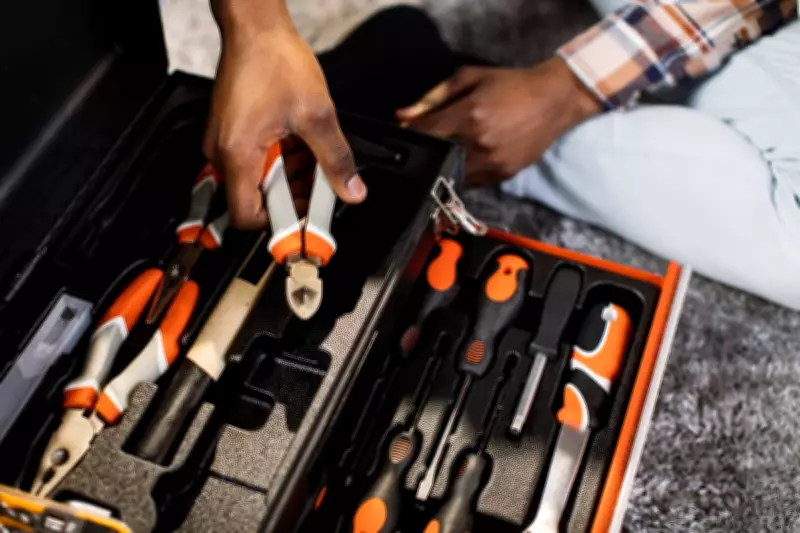
The resurgence in repair culture is being supported by accessible resources and essential tools. 41 per cent of respondents have been inspired by short "how-to" videos online, highlighting the role of digital media in empowering DIY efforts. Nearly half (47 per cent) said they would be more likely to attempt repairs if they had the right tools on hand, with basic items like screwdrivers, hammers, strong glue, and tape deemed essential by many.
Robert Bent, a TV tradesman and DIY expert, emphasised the value of trying, even when repairs don't always succeed. "There's no greater sense of achievement than successfully fixing something you once contemplated putting in the bin," he said. "Every attempt teaches you something valuable, whether it's about the item's weak points or how to maintain it better in the future."
Expert Tips for Successful Repairs
To aid those embarking on DIY projects, Robert Bent offers practical advice for replacing faulty items:
- Always pause before discarding an item to assess if it can be repaired.
- Conduct thorough research online, using product names and issue descriptions to find solutions.
- Evaluate whether the repair can be safely done at home or requires professional assistance.
- Seek out clear, reputable repair instructions from trusted sources like tutorial videos or expert articles.
- Gather all necessary replacement parts, tools, and safety equipment before starting.
- Work methodically and avoid rushing, especially for first-time repairs.
Thomas Sutton added that Gorilla Glue has appointed a Chief Tough Officer to innovate in strength and durability, supporting households in tough economic times with reliable products for challenging repair jobs.
This revival of "make do and mend" reflects a broader societal shift towards resilience, creativity, and environmental stewardship, offering both economic and personal rewards for Brits willing to take on the challenge.