Academic Study Uncovers Scale of England's 'Dark Kitchen' Industry
New university research has revealed that a significant portion of England's food delivery sector operates without physical storefronts, raising important questions about regulation and public health oversight. The study, which represents the first comprehensive industry-wide analysis, found that 15% of all online food retailers in the country function as what are commonly termed 'dark kitchens'.
Defining the Hidden Takeaway Sector
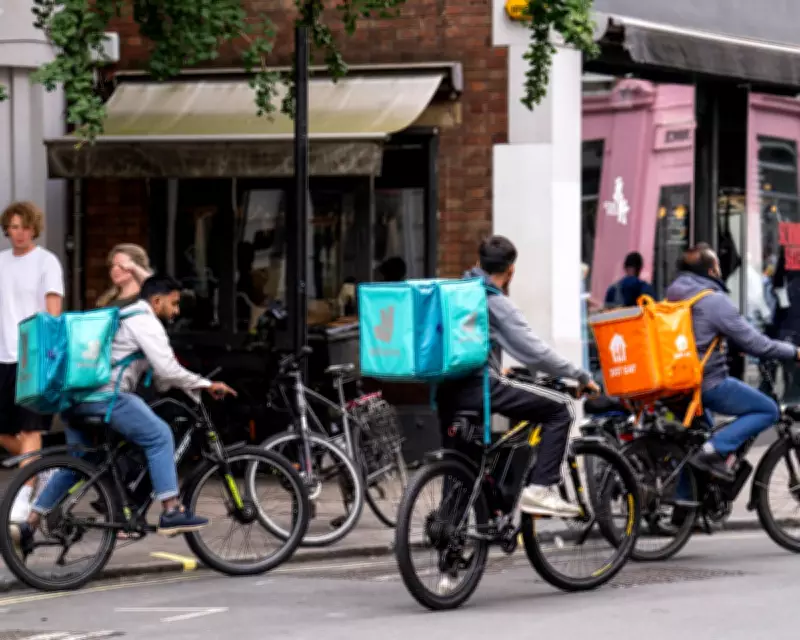
These delivery-only operations, also known as 'cloud', 'ghost', or 'virtual' kitchens, have experienced rapid expansion across major platforms including Deliveroo, Just Eat, and Uber Eats. Until now, the sector has lacked a clear and consistent definition, creating challenges for regulators, local authorities, food safety officers, and consumers attempting to navigate this emerging industry.
Dr Lucie Nield, co-lead investigator from the University of Sheffield, emphasised the importance of establishing clarity: "People deserve greater transparency about the food they are ordering online, and these businesses must be held to the appropriate regulatory standards. Without this, dark kitchens risk falling through the gap, with potential consequences for public health."
Establishing a Framework for Understanding
The research, commissioned by the National Institute for Health and Care Research, brought together multiple university teams to develop the first industry-wide framework for identifying these operations. After extensive consultation with academics, public health professionals, local authorities, national governing bodies, industry workers, and consumers, researchers established the definition: "Technology-enabled commercial kitchen(s) operating primarily for delivery, to fulfil remote, on-demand, consumer online orders of food for immediate consumption."
Using sophisticated data-scraping methods across delivery platforms, researchers identified clusters of food brands operating from identical postcodes – a key indicator of delivery-only hubs. The study cross-referenced these locations using tools including Google Maps, demonstrating how difficult these businesses can be for both consumers and regulators to identify.
Public Health Implications and Regulatory Challenges
While dark kitchen models offer commercial advantages such as lower operating costs and flexible locations, the research highlighted several concerning implications for public health. Unlike traditional takeaways that can be regulated through spatial planning policies, dark kitchens operate with far less visibility and oversight.
Management zones around schools, designed to limit takeaway density and support healthier food environments, do not apply to these delivery-only operations and may be undermined by their activities. Researchers also raised significant concerns around food safety and transparency, particularly for customers with allergies or dietary sensitivities.
"Because multiple businesses can operate from the same kitchen space," the study notes, "consumers may not always be aware of shared preparation environments or potential allergen cross-contamination."
Consumer Awareness and Industry Response
A 2023 survey conducted alongside the research found that while 40% of participants purchased takeaways at least weekly via delivery apps, awareness of dark kitchens remained remarkably low. Only a quarter of respondents had heard of them, with just 9% knowingly using one. However, after reading a working definition, more than half indicated they would consider buying from a dark kitchen, though most wanted this information to be made explicit during the ordering process.
The new industry-wide definition aims to bring delivery-only hubs under stricter planning and public health oversight, facilitating clearer regulation, more effective inspection processes, and improved consumer understanding. As the hidden takeaway industry continues to grow, this research provides crucial foundations for developing appropriate regulatory frameworks that balance commercial innovation with essential public health protections.