Russia Threatens Naval Deployment to Protect 'Shadow Fleet' from Western Seizures
A high-ranking Russian official has declared that Moscow might deploy its naval forces to safeguard Russian-associated vessels from potential European confiscations, heightening the risk of retaliatory measures against European shipping as international pressure on the Kremlin's so-called shadow fleet intensifies.
Official Warns of 'Western Piracy' and Potential Retaliation
Nikolai Patrushev, the former director of the FSB who currently leads Russia's maritime board, stated on Tuesday that the country's navy must be prepared to counteract what he labeled as "western piracy." In an interview with the Russian newspaper Argumenty i Fakty, Patrushev emphasized, "If this situation cannot be resolved peacefully, the navy will break any blockade and move to eliminate it. And let's not forget that many vessels sail the seas under European flags – we, too, may take an interest in what they are carrying and where they are headed."
Patrushev further argued that any attempt to impose a maritime blockade on Russia would be illegal under international law, asserting that the European Union's use of the term "shadow fleet" lacks a legal foundation. The shadow fleet refers to an estimated 1,500 aging or lightly regulated oil tankers operating under obscure ownership structures, facilitating Russia's crude exports to buyers like China and India while evading Western sanctions. Over 600 vessels have been targeted by sanctions from the EU, UK, and US, measures that have significantly reduced Russian oil revenues.

European Efforts and Legal Challenges
Patrushev's comments coincided with a meeting between British Defence Secretary John Healey and European counterparts at the Munich Security Conference, where they discussed potential actions to seize tankers linked to Russia's shadow fleet. Despite increasing political pressure, European governments have faced difficulties in establishing a coherent legal framework for physically halting or confiscating these ships, relying instead on sanctions, insurance restrictions, and inspections.
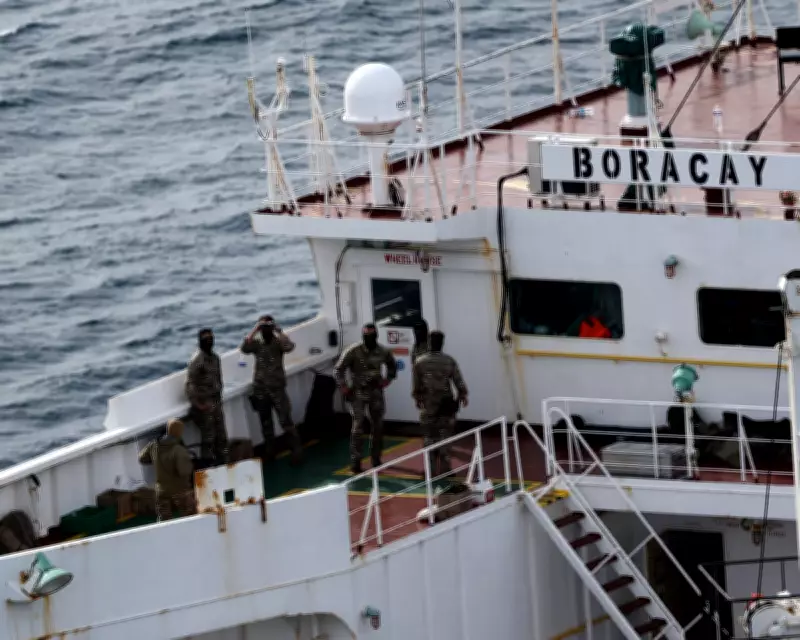
Western allies have cautioned that vessels lacking proper documentation might be treated as stateless ships, potentially expanding opportunities for intervention at sea. Earlier this year, the French navy briefly intercepted a tanker suspected of operating within the shadow fleet before permitting it to proceed. In recent months, the United States has taken steps to physically interdict and seize several tankers associated with shadow fleets carrying sanctioned oil from Russia, Venezuela, and Iran.
Focus on Europe Amid Delicate Negotiations
Patrushev's remarks appeared to concentrate primarily on Europe, indicating that the Kremlin is cautious about escalating tensions with Washington while sensitive negotiations over Ukraine continue. Senior Ukrainian and Russian officials are anticipated to convene in Geneva on Tuesday for the latest round of high-stakes talks mediated by the Trump administration, as the fourth anniversary of Moscow's full-scale invasion of Ukraine approaches.
The situation underscores the complex geopolitical dynamics surrounding Russia's shadow fleet, with Moscow's threats of naval deployment adding a new layer of risk to maritime security and international trade. As Western nations grapple with legal and logistical hurdles in countering these operations, the potential for naval confrontations looms, further complicating efforts to enforce sanctions and maintain stability in global shipping lanes.