Royal Mail's Christmas Crisis: Millions Endure Postal Delays
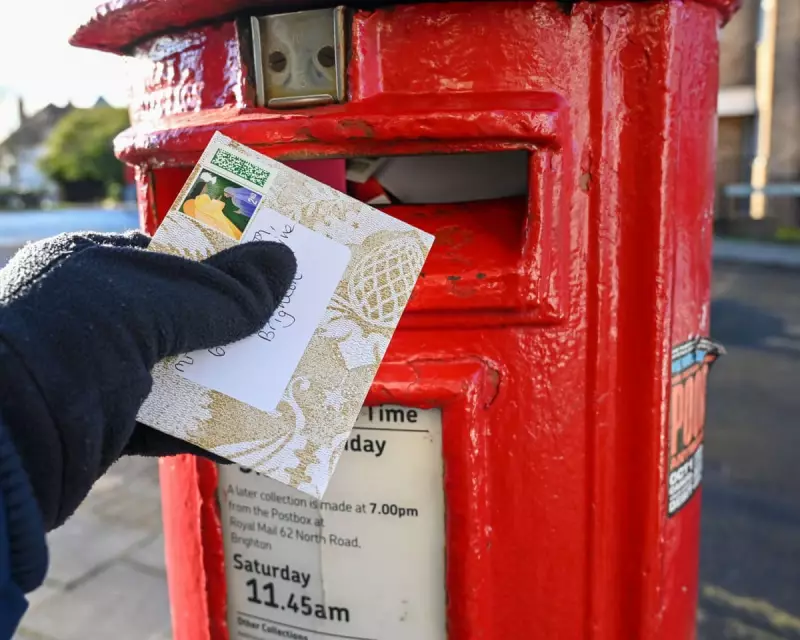
Royal Mail has faced severe criticism for its unacceptable performance during the crucial Christmas period, with approximately 16 million people experiencing late deliveries of letters, cards, and parcels. According to research by Citizens Advice, this figure represents a staggering 50% increase compared to the previous year, marking the highest level of festive delays in five years, excluding periods affected by strike action.
No End in Sight for Consumer Struggles
Anne Pardoe, Head of Policy at Citizens Advice, expressed deep concern, stating, "We're afraid there's no light at the end of the tunnel for consumers struggling with Royal Mail's persistent delivery failures." She emphasised that with no alternative postal provider for many, the sheer volume of delays is simply unacceptable. The research, based on a survey of nearly 2,100 adults conducted by Yonder, calculated that 5.7 million of those affected missed out on critical information, including health appointments, fines, benefit decisions, and legal documents.
Beyond Late Christmas Cards: A Worrying Trend
Pardoe highlighted that the issue extends far beyond delayed festive greetings. "This is a worrying trend," she said, urging postal regulator Ofcom to crack down harder on missed targets, especially with impending cuts to delivery days. Ofcom does not apply normal delivery targets during the busy Christmas period, but Royal Mail defended its performance, noting that independent data shows over 99% of items posted by recommended dates arrived in time for Christmas, despite volumes more than doubling.

Context of Takeover and Service Changes
This Christmas followed the £3.6 billion takeover of Royal Mail's parent company, International Distribution Services (IDS), by Czech billionaire Daniel Křetínský. In July, Ofcom permitted IDS to end second-class Saturday deliveries and reduce services to alternating weekdays. Meanwhile, stamp prices have soared, with first-class stamps more than doubling since 2020 to £1.70, and second-class stamps costing 87p. Citizens Advice found that 36% of respondents sent fewer Christmas cards this year due to high stamp costs.
Historical Performance and Regulatory Action
Royal Mail has not met its Ofcom-mandated delivery targets for first-class post since 2017 or for second-class mail since 2020. In October, the regulator fined the company £21 million for missing annual targets. Pardoe argued that any future stamp price increases should be conditional on Royal Mail meeting these benchmarks. Over the past decade, letter volumes have plummeted from 20 billion to 6.7 billion annually, with projections of dropping to 4 billion within four years, even as the number of addresses served has increased by 4 million.
Employee Perks and Broader Implications
Adding to the controversy, Royal Mail was criticised before Christmas for downgrading an annual employee perk, replacing books of first-class stamps with second-class ones. As the postal service grapples with declining letter volumes and rising addresses, the festive delays underscore broader challenges in maintaining reliable mail delivery across the UK.