Panama's Supreme Court Cancels Hong Kong Company's Canal Port Contracts
Panama's Supreme Court has delivered a landmark ruling that strips a Hong Kong-based company of its contracts to operate ports at both ends of the vital Panama Canal. The decision, which advances long-standing US policy objectives to limit Chinese influence over the strategic waterway, has immediately sparked diplomatic tensions and drawn fierce criticism from Beijing.
Strategic Waterway Operations to Continue Uninterrupted
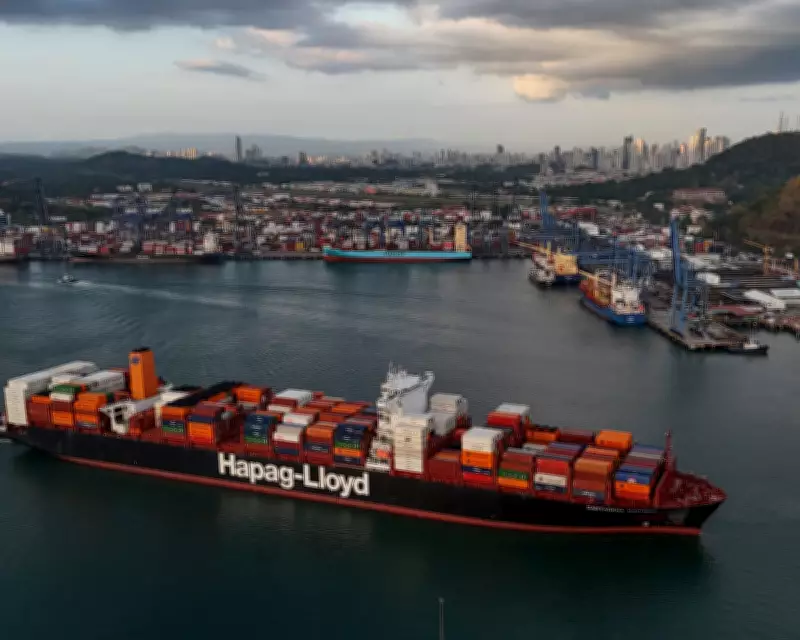
Panamanian President José Raúl Mulino has moved swiftly to reassure international shipping interests that canal operations will continue without disruption. In a recorded video address delivered on Friday, Mulino confirmed that maritime officials would work with the current operator, Panama Ports Company (PPC), to ensure seamless port operations until the court's ruling is formally executed.
"Panama moves forward, its ports will continue operating without interruption and we will continue serving the world as the logistics centre of excellence that we are," declared Mulino, emphasising the country's commitment to maintaining its crucial role in global maritime trade.

Transition to New Operator Announced
Once the current concession is formally terminated, a transitional phase will see a subsidiary of Danish logistics giant AP Moller-Maersk temporarily operating the ports. This interim arrangement will remain in place until Panama can award a new long-term concession through proper bidding processes.
The court's decision follows a comprehensive audit by Panama's comptroller, which identified alleged irregularities in the 25-year extension of the concession granted to CK Hutchison's subsidiary in 2021. The Supreme Court's brief statement provided no specific guidance on implementation timelines or the subsequent fate of the port facilities.
Geopolitical Dimensions and US Policy Objectives
This ruling represents a significant victory for US foreign policy in the region, where blocking Chinese influence over the Panama Canal has been a consistent priority. The Trump administration particularly emphasised this objective, with Panama serving as US Secretary of State Marco Rubio's first overseas destination in his current role.
Despite repeated assurances from Panama's government and canal authority that China exercised no operational influence, Washington has consistently framed the port operations as a national security concern. Former President Donald Trump has even suggested that Panama should return the canal to US control, highlighting the waterway's enduring strategic importance.
Strong Reactions from Affected Parties
PPC has responded forcefully to the court's decision, stating that it had not received formal notification and insisting that its concession resulted from transparent international bidding processes. The company issued a statement declaring the ruling lacked "legal basis and jeopardises not only PPC and its contract, but also the wellbeing and stability of thousands of Panamanian families who depend directly and indirectly on port activity."
The Hong Kong government has firmly rejected the Panamanian court's decision, expressing strong opposition to what it characterises as coercive measures against Hong Kong enterprises. Officials urged Panama to respect contractual obligations and provide a fair business environment, while advising Hong Kong businesses to carefully review their investments in the country.
In Beijing, Chinese foreign ministry spokesperson Guo Jiakun told reporters that China would take "all necessary measures" to protect the legitimate rights and interests of the affected Chinese company, though he provided no specific details about potential actions.
Broader Implications for International Business
This development raises significant questions about contractual stability and legal certainty in Panama, potentially affecting future foreign investment decisions. The case demonstrates how geopolitical considerations can increasingly influence commercial arrangements involving critical infrastructure, particularly when major powers perceive strategic interests at stake.

As Panama navigates this transitional period, the international shipping community will be watching closely to ensure that one of the world's most important maritime corridors continues to function efficiently, free from operational disruptions that could affect global trade patterns.