A single, unconnected electric cable has been identified as the critical failure that led to the catastrophic collapse of Baltimore's Francis Scott Key Bridge, according to the official US investigation.
The Moment of Catastrophe
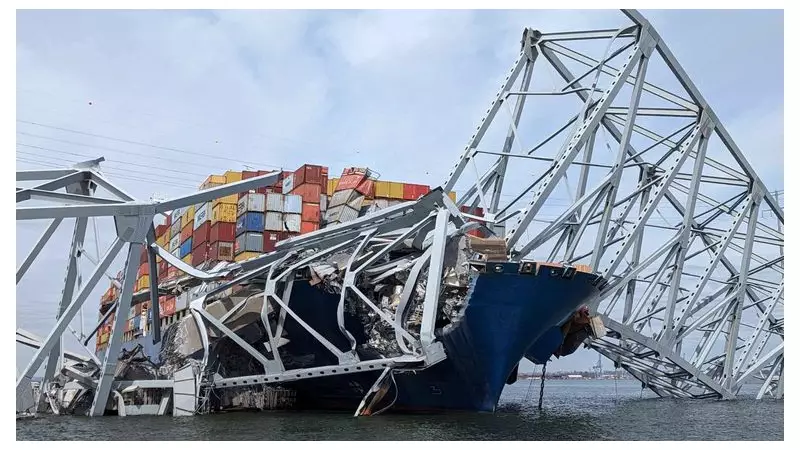
The US National Transportation Safety Board (NTSB) concluded its investigation into the 26 March 2024 disaster, finding that the container ship Dali experienced a complete loss of propulsion and steering less than a mile from the bridge due to a single loose wire.
This electrical failure caused the vessel to drift helplessly into a main support pier of the Francis Scott Key Bridge, collapsing a span of the structure. Tragically, six construction workers who were on the bridge at the time were unable to escape and lost their lives.

Investigation Findings and Industry Shortfalls
Investigators pinpointed the cause to an improperly placed label on the wire, which prevented it from being fully inserted and created an inadequate connection. The NTSB's chair likened the task of locating this fault to "trying to find a single loose rivet on the Eiffel Tower."
While the board praised the ship's crew for their timely and appropriate actions, it issued a stark warning to the maritime industry. Board member Michael Graham called for the sector to strengthen its safety systems and better manage risks, urging it to adopt the more rigorous approach seen in aviation.
"Many of these issues we have discussed today as part of this accident could have been identified, addressed, and either mitigated or eliminated," Mr Graham stated.
Far-Reaching Consequences and Future Safety
The repercussions of the collision continue to unfold. The accident blocked one of America's busiest ports for almost three months. Furthermore, state officials have more than doubled the projected cost of rebuilding the bridge, with estimates now reaching $5.2bn (£3.9bn), and the reopening date pushed back to late 2030.
In response, the NTSB has issued numerous safety recommendations, including:
- Urgent vulnerability assessments for 68 other bridges in 19 US states.
- The installation of motorist warning systems on major bridges to halt traffic instantly during emergencies.
- Periodic inspections of high-voltage switchboards on vessels.
The investigation noted that the Baltimore bridge, like many others, lacked such a warning system. Despite this, police managed to clear traffic in the approximately 90 seconds they had before the collapse, an action that likely prevented a much higher death toll.
The NTSB has called on Hyundai Heavy, the shipbuilder, to ensure proper wire-label banding installation. The FBI's separate criminal probe into the collapse remains ongoing.