Organised crime syndicates have developed a grotesquely effective new method for smuggling vast quantities of cocaine into Europe: hiding the drugs aboard ships carrying thousands of live cattle.
The 'Logistical Nightmare' Exploited by Cartels
According to intelligence sources speaking to The Telegraph, border patrols are frequently deterred from thoroughly searching these vessels due to the appalling conditions onboard. The ships, often over 200 metres long, are filled with animals that have endured months-long voyages living in their own faeces, with many dead or dying. The resulting stench and sanitation crisis creates a "logistical nightmare" for authorities, providing the perfect cover for narcotics trafficking.
Sources at the Maritime Analysis and Operations Centre – Narcotics (MAOC-N), an EU law enforcement agency based in Lisbon, revealed that rundown vessels are loaded with up to 10,000 cows at a time from gang-controlled ports in Santos and Belem, Brazil, and Cartagena, Colombia.

The Transatlantic Smuggling Route
The ships initially set sail around the Caribbean or South America to collect cocaine from smaller vessels, typically picking up four to ten tons of the drug per voyage, with a street value reaching an astonishing £450 million. Crew members conceal the packages within the ship's giant grain silos and other hiding spots.
While the vessels are officially bound for ports with lax livestock regulations, such as Beirut in Lebanon or Damietta in Egypt, their most lucrative cargo is destined for Europe. As the ships cross the Atlantic, crew members tie the cocaine to inflatables, attach GPS devices, and throw them overboard. Fast boats then retrieve the packages and smuggle them ashore in Belgium and the Netherlands, often via the major ports of Antwerp and Rotterdam.
This method has proven alarmingly effective. Over the past 18 years, European police have seized just one livestock vessel carrying cocaine. It is understood that at least one suspicious cattle ship departs South America for Europe every week.
Failed Interceptions and a Recent Australian Case
Sniffer dogs, a primary tool in drug detection, are reportedly rendered useless on these ships as they are overwhelmed by the overpowering odour of the cattle. A rare successful interception occurred on January 24, 2023, when Spanish police seized a 100-metre cattle ship travelling from Colombia to Lebanon.
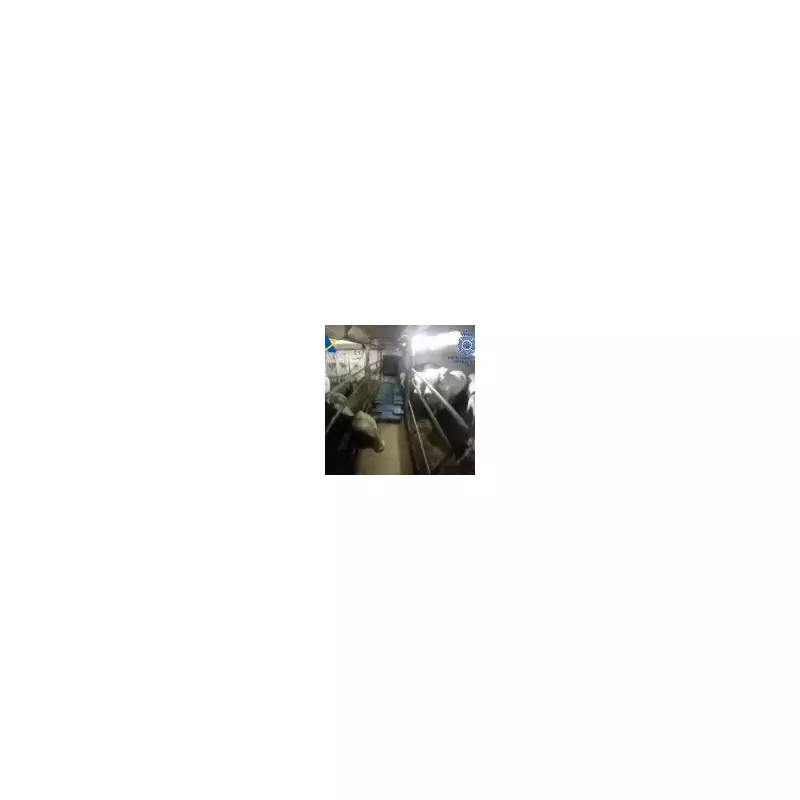
Officers, wearing bodycams, waded through faeces and urine from 1,750 cows to discover 4,500kg of cocaine, worth around £82 million, hidden in cattle food silos. The ship was towed to Las Palmas de Gran Canaria and its 28 crew members were arrested, though locals complained bitterly about the rotting smell emanating from the vessel.
In a related incident last week, Australian police revealed a livestock ship carrying sheep was used in an attempt to smuggle £84 million of cocaine into the country. The livestock carrier Al Kuwait allegedly dropped drugs into the ocean off the western coast of Lancelin, which were found by fishermen on November 6. The vessel's chief officer has been charged, and three men in Sydney and Perth are alleged to have been responsible for retrieving the cocaine.
The continued use of this grim tactic highlights a significant and stinking loophole in international efforts to combat the multi-billion pound cocaine trade flooding into Europe.