Ceasefire Brings Little Relief for Trapped Ships in Strait of Hormuz
Shipping analysts have cautioned that a two-week conditional ceasefire between the United States and Iran will not trigger a "mass exodus" of vessels through the strategically vital Strait of Hormuz. The agreement, which includes a temporary reopening of the maritime channel, leaves Iran in firm control of transit permissions, effectively maintaining the gridlock that has ensnared an estimated 2,000 ships and 20,000 seafarers in the Gulf since the war's outbreak in late February.
Iran's Continued Dominance Over Maritime Transit
According to Richard Meade, editor-in-chief at Lloyd’s List Intelligence, the ceasefire "doesn't change the situation in the sense that Iran is still in control." He emphasized that vessels must still seek Iranian approval to pass, meaning "no permission, no transit." This stance perpetuates a traffic control system where Tehran grants passage only to "non-hostile vessels"—those not linked to the US or Israel—under its military management.
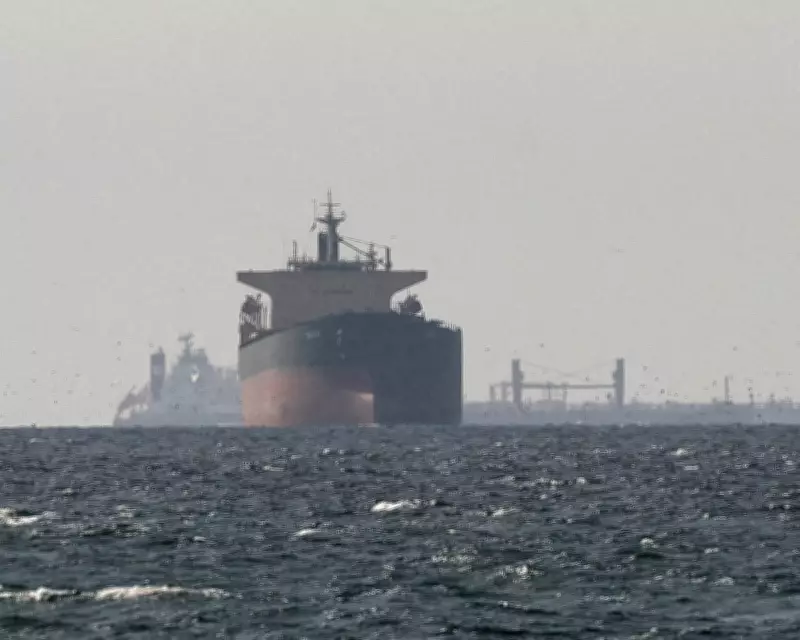
The trapped fleet includes oil and gas tankers, bulk carriers, cargo ships, and six tourist cruise liners, all anchored for safety following attacks on over 20 ships and crew fatalities in the region. While some captains have conducted safety checks in anticipation of departure, Meade noted that shipowners are likely to wait for clearer guidelines before moving, tempering expectations of an immediate surge in traffic.

Limited Traffic and New Constraints
In recent weeks, only a small number of ships—far below the prewar daily average of about 140 crossings—have navigated the strait, which narrows to just 21 miles. Reports indicate that Iran and Oman may impose fees of up to $2 million per ship for transit under the ceasefire plan. Additionally, Iran has diverted vessels to a northerly corridor between Larak island and the mainland, allowing close monitoring but further constraining the already congested waterway.
Arsenio Dominguez, secretary-general of the International Maritime Organization, welcomed the ceasefire but stressed the priority of "ensuring an evacuation that guarantees the safety of navigation." Despite a slight uptick in transit before the agreement, largely due to Iranian-linked cargoes, analysts doubt traffic will return to normal levels during the brief ceasefire, citing ongoing uncertainties and logistical hurdles.