This holiday season, American consumers are wielding their wallets as a tool of political protest, steering clear of major retailers perceived as capitulating to the Trump administration's agenda. The movement, gaining momentum during the crucial Black Friday shopping period, represents a significant shift towards conscious consumerism in a politically charged climate.
The 'We Ain't Buying It' Campaign Takes Hold
Over the Black Friday weekend, the coalition behind the historic No Kings protests launched a major campaign titled 'We Ain't Buying It'. The initiative called for a boycott of retail giants Target, Home Depot, and Amazon during the peak holiday deals period. The campaign's message resonated widely, with more than 220 organisations joining the effort and driving over 40,000 people to pledge their commitment to conscious consumption.
Signs indicate a redirection of spending towards smaller, independent businesses. The directory Little Blue Cart, which lists progressive small companies, reported record-breaking traffic during the campaign. Organisers emphasise that the best practices for ethical spending include shopping locally, reusing items, and simply consuming less.
Key Targets of Consumer Backlash
The boycotts are highly targeted, with specific grievances against each corporation. A boycott of Target began earlier in 2025 after the retailer rolled back its diversity, equity, and inclusion (DEI) initiatives, including programs supporting Black-owned businesses. The company has acknowledged the boycott's impact on sales.
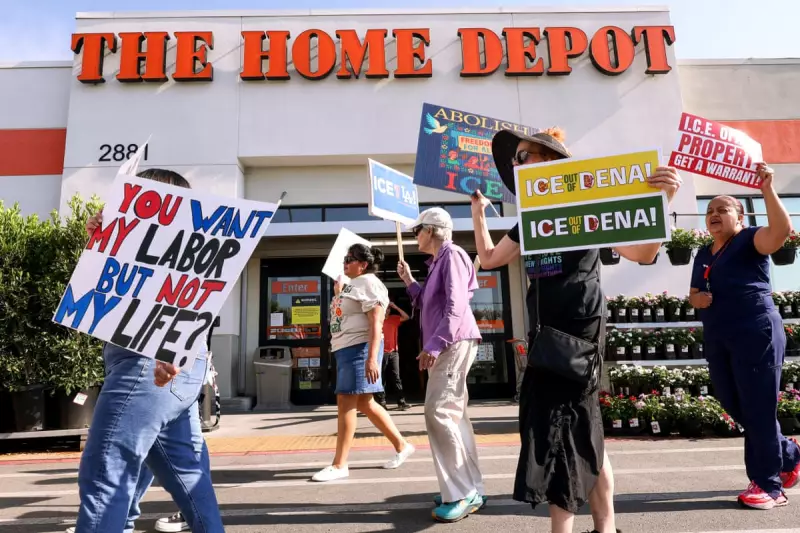
Home Depot faces protests and a consumer exodus over its perceived complicity in Immigration and Customs Enforcement (ICE) activities. Activists argue the company allows ICE agents to target day labourers seeking work in its parking lots, as seen in a protest in Pasadena, California, on 6 August 2025. Home Depot states it does not coordinate with federal agencies.
The boycott of Amazon is fuelled by its $1 million donation and in-kind services to Trump's inaugural committee, alongside longstanding concerns over worker treatment. Meanwhile, a new boycott targets Spotify for running ICE recruitment advertisements on its platform.
Broader Trends in Political Consumerism
This wave of boycotts extends beyond retail. Shoppers are actively supporting businesses that resist administration policies, such as Costco for suing over tariffs, and donating to colleges that haven't acquiesced to federal demands. In the context of nationwide ICE crackdowns, organisers also recommend buying gift cards for immigrant-owned businesses, many of which have been forced to shorten hours or close due to fear.
The strategy has proven effective. Following focused backlash, Disney reversed its decision to take Jimmy Kimmel's show off the air. Similarly, boycotts have dented sales at Tesla after Elon Musk's controversial dismantling of federal agencies. As the holiday season continues, this concerted effort to 'shop your values' is demonstrating that consumer power remains a potent force for political expression.