How to Save Britain's High Streets: Voices from the Community
High streets have been evolving for decades, often with minimal government intervention, as noted by one reader who recalls a vibrant postwar village in Essex. In that era, the community boasted multiple butchers, bakers, and other shops, but changes like self-service dairies and the rise of grocery chains led to closures. The introduction of out-of-town shopping centres, driven by local government incentives, further eroded local trade. This reader urges everyone to reflect on their own shopping habits: "Did I support my local high street by using its shops, or did I blithely go to a superstore or online?" The message is clear: if you want a high street to survive, you must shop there.
The Impact of Urban Planning on High Streets
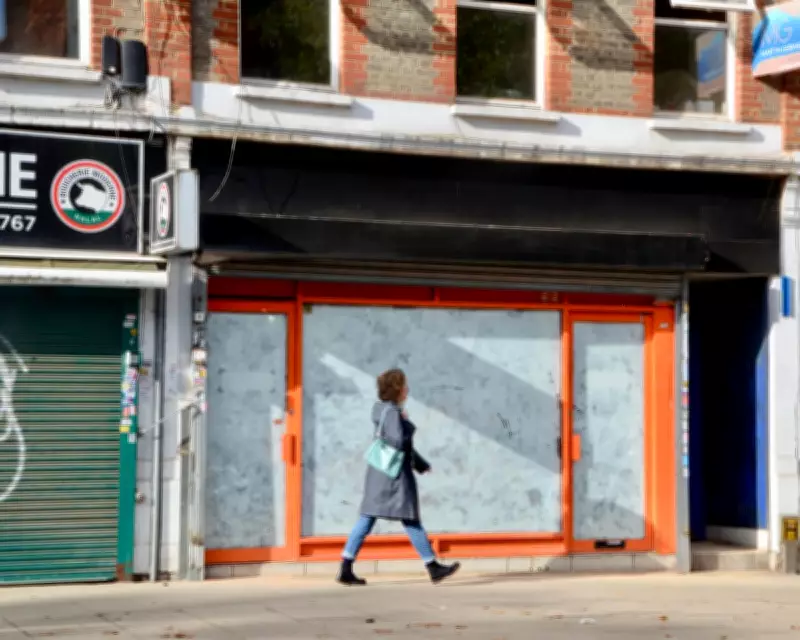
Another perspective highlights how urban planning decisions have accelerated the decline of high streets long before austerity measures. By encircling towns with retail parks offering free parking and making town centre parking difficult and expensive, communities like Ipswich have experienced a hollowing out of their high streets. The solution proposed is straightforward: convert empty shops into housing to revitalise these areas. This approach would penalise landlords who leave properties vacant and incentivise developers to create homes, thereby generating new customers for local businesses.
Successful Regeneration Efforts
Historic England's High Streets Heritage Action Zones programme serves as a blueprint for successful regeneration. With £95 million in government funding, this initiative has revitalised over 60 historic high streets across the UK. By working closely with local communities to restore historic shops and celebrate high street heritage, the programme has reduced vacancy rates, attracted investment, and created jobs. Ongoing pilots aim to convert empty high-street buildings into homes, demonstrating that high streets can adapt and thrive when reimagined as unique community spaces.
Community Engagement and Local Action
In Peterborough, there is a perceived decline in the city centre, yet many residents avoid visiting it, preferring out-of-town malls. Ironically, the city centre population is growing as empty offices and shops are converted into flats. However, this has not fostered a strong sense of community, with new residents often relying on home deliveries. Organisations like Peterborough Positive, the local business improvement district, are making strides by attracting new independent businesses. The key takeaway is that community support is essential: visiting and using local businesses is crucial for high streets to prosper.
Overall, the consensus among readers is that saving Britain's high streets requires a combination of personal responsibility, smart urban planning, and community-led initiatives. Rather than blaming governments, individuals and local groups must take action to ensure these vital spaces remain vibrant hubs for years to come.