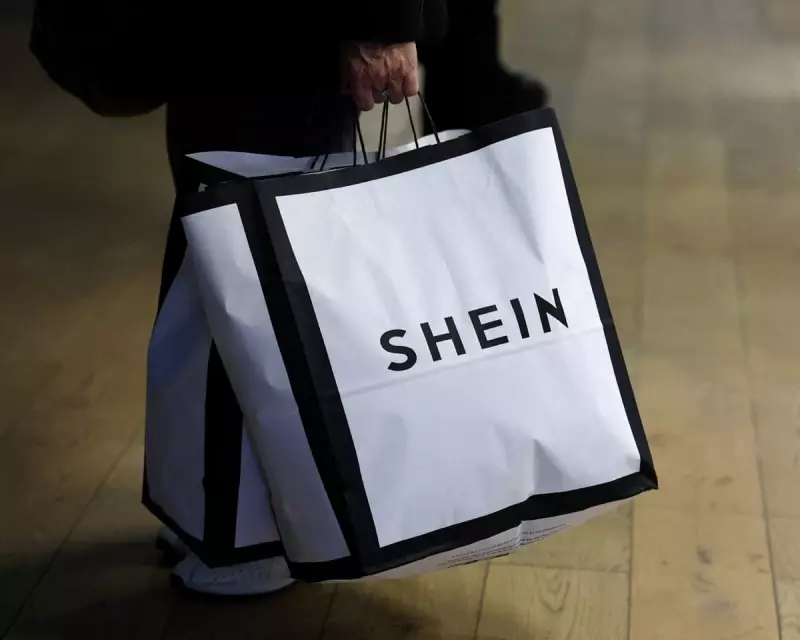
Major British retailers are demanding the government accelerate plans to eliminate a controversial tax break that they claim gives Chinese fast-fashion giants like Shein and Temu an unfair competitive advantage.
Companies including Primark, Currys, and Boohoo have expressed significant disappointment with the recent budget announcement that the "de minimis" rule - which allows overseas sellers to send goods valued under £135 to UK consumers without paying customs duty - won't be fully phased out until 2029.
The Growing Threat to British High Streets
According to the British Retail Consortium, which represents all major retailers, 1.6 million parcels now arrive in the UK daily - double the number from just last year. Industry leaders argue this surge is directly linked to the tax advantage enjoyed by overseas competitors.
Helen Dickinson, chief executive of the trade body, emphasised the urgency: "The US has already removed its threshold, with the EU following suit next year. The chancellor must take decisive action and remove the exemption as fast as possible."
Dickinson highlighted that quicker action would not only level the playing field but also protect British consumers from imported goods that may not meet UK environmental and ethical standards.
Retail Leaders Voice Their Frustration
George Weston, chief executive of Primark's owner Associated British Foods, described the four-year delay as "unacceptable" and warned it would "prolong the damage caused" to British retailers.
"A commitment to close the customs loophole on low-value imports that unfairly disadvantages the high street is positive, but this needs to be brought in rapidly to prevent further undermining of UK retailers," Weston stated.
Dan Finley, boss of Debenhams Group which owns Boohoo and PrettyLittleThing, didn't mince words about the competitive threat. "There is no doubt that Shein and Temu are major competitors to us and they have disrupted our business and others' in recent years in the UK," he said.
Finley pointed to the international precedent, noting: "They managed these changes in nine months in the US. I'm not sure why we can't do it in the same amount of time."
International Context and Government Response
The pressure on UK policymakers has intensified following similar moves by major trading partners. The US revoked its de minimis exception for Chinese-made goods in May, completely eliminating the tax break for all countries by August.
Similarly, the European Union announced in February that it would phase out its exemption on customs duties for low-value parcels.
Alex Baldock, chief executive of Currys, urged the government to go "further and faster" on both the de minimis rule and business rates changes, calling current plans merely "a step in the right direction."
The government has defended its timeline, suggesting that any impact on consumer prices would "be modest" and that the change aims to keep the UK "in line with partners and ensure the customs system is fair and fit for the realities of modern global trade."
The policy change is expected to boost Treasury coffers by approximately £500 million annually, providing additional incentive for faster implementation according to retail executives.