A fresh analysis has challenged the prevailing political narrative that the business rates system is the primary culprit behind the struggles of Britain's town centres. The report from the think tank Centre for Cities argues that local economic vitality, not property taxes, is the decisive factor for high street survival.
London's Suburban Streets Defy National Gloom
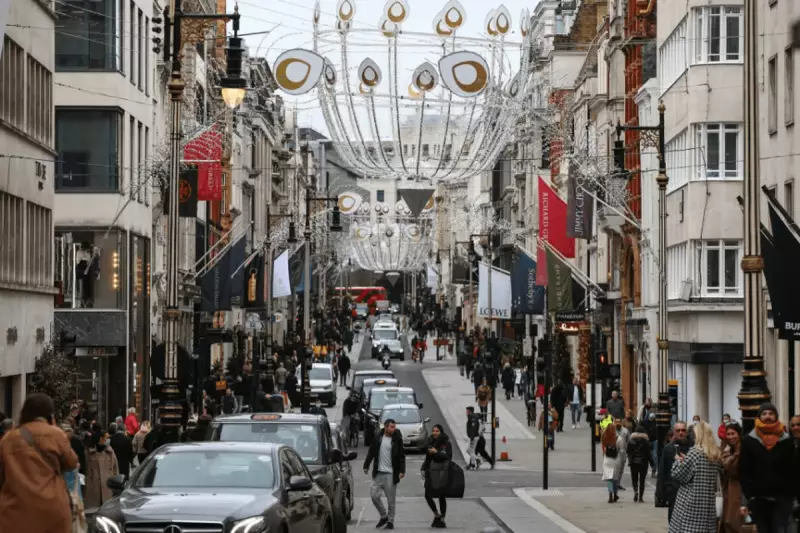
The study reveals a stark contrast in fortunes across the country. While the average UK city centre has a shop vacancy rate of 13%, London's core boasts the nation's lowest rate at just 7%. More strikingly, the capital's suburban high streets are also outperforming, with median vacancy rates between 8% and 10%.
Remarkably, 78% of London's suburban high streets have a lower vacancy rate than the UK's city centre average. This resilience comes despite London businesses facing significantly higher business rates bills than those in other regions.
Income, Not Taxes, Drives Footfall and Spending
Paul Selby of Centre for Cities contends that the focus on business rates is misplaced. He acknowledges that the levy makes profitability harder but argues it is not the core issue. "The highest business rates are also the places that have residents who have the highest incomes and the most money to spend," Selby noted.
The report identifies three critical determinants for a thriving high street: local disposable incomes, the size of the catchment area, and overall visitor numbers. It points out that UK income growth has largely stagnated since the 2008 financial crisis, exacerbated by low productivity and policy decisions like frozen income tax thresholds.
"Taking away business rates doesn't solve the problem... you have to increase disposable income so that people can spend," Selby emphasised. The analysis suggests that the long-term economic impact of Brexit, estimated to have reduced GDP by around 8%, has further squeezed household budgets.
A Future for the High Street, But Not Through Tax Cuts Alone
The findings arrive amid renewed political promises to overhaul the business rates system. At the 2025 Labour Party conference, the Prime Minister described high streets as "struggling against the tide of decline" and pledged reform to level the playing field with online giants.
However, the Centre for Cities report offers a note of cautious optimism. It concludes that the high street is not doomed and will not disappear. "Where the economy is functioning a little bit better, the high street has actually adapted to external shocks much better," Selby observed, pointing to London's example.
The report ultimately suggests that policy aimed at reviving town centres must look beyond simple tax relief. It must address the fundamental issue of boosting the spending power of the communities those high streets serve.