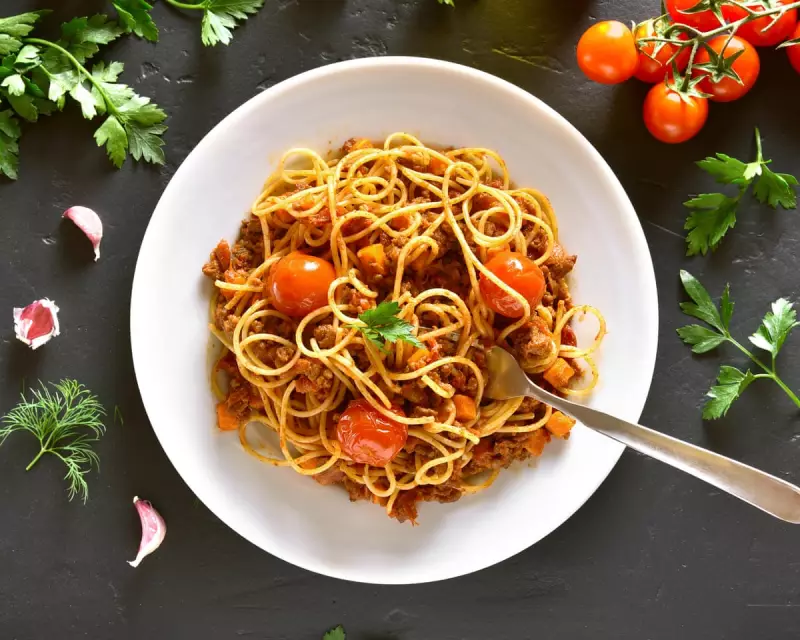
British households are embracing pork as a cost-effective alternative to beef, with sales of pork mince at Waitrose rising by a significant 16% compared to last year. This shift comes as official figures reveal beef price inflation has soared to 27%, prompting savvy home cooks to adapt their favourite recipes.
The 'New Beef': How Shoppers Are Adapting
According to Waitrose's annual food and drink report, pork is being hailed as the "new beef." Customers are increasingly seeking out pork cuts traditionally associated with beef, such as free-range fillets, short ribs, T-bone, and rib-eye steaks. The supermarket chain notes that recipe searches for "lasagne with pork mince" have doubled on its website, while lookups for "pulled pork nachos" have increased by 45%.
Matthew Penfold, a senior buyer for Waitrose, describes this as a "massive comeback but in a premium way." The price differential is stark: a pork fillet costs around £20 per kilogram, whereas beef can command £80 per kg or more. This economic reality is driving the change, as families strive to make tight household budgets stretch further.
Broader Market Trends and the 'Fibremaxxing' Movement
The report, which highlights upcoming food trends, also points to new flavour combinations like "spour" (spicy and sour) and "fricy" (fruity and spicy). It identifies the rise of "fibremaxxing"—a trend for boosting fibre intake with ingredients like linseeds and dried fruit.
However, the resurgence of humble ingredients isn't limited to meat. The baked potato is also enjoying a renaissance, with sales of large potatoes up by more than a third in Waitrose. Toppings have moved beyond simple beans and cheese, with food influencers suggesting alternatives like kimchi and chicken shawarma with tahini.
Hard Data Confirms the Shift in Protein Purchases
Separate data from the Agriculture and Horticulture Development Board (AHDB) underscores the impact of high food prices on consumer behaviour. In the 12 weeks to 2 November, the average price for a kilogram of beef mince rose 37% year-on-year, leading to an 11% drop in the quantity sold.
Consumers responded by buying smaller 250g packs and opting for frozen mince. The AHDB confirmed a nationwide search for cheaper proteins, with pork mince sales volumes surging 36.6% and chicken mince by 65.6% compared to the previous year.
Katharina Erfort, a principal at supply chain experts Inverto, explained the factors behind rising beef costs. "Higher feed and labour costs have led to a reduction in the raising of beef cattle in the UK, impacting overall supply," she said. Pigs require about four times less feed per kilo of meat than cattle, need less space, and reach full size in approximately six months, making pork a traditionally cheaper protein to produce.
This comprehensive shift in shopping habits, driven by economic necessity, is fundamentally changing how Britons approach their weekly shop and family meals.