Major Blow for Ocado as US Partner Scales Back
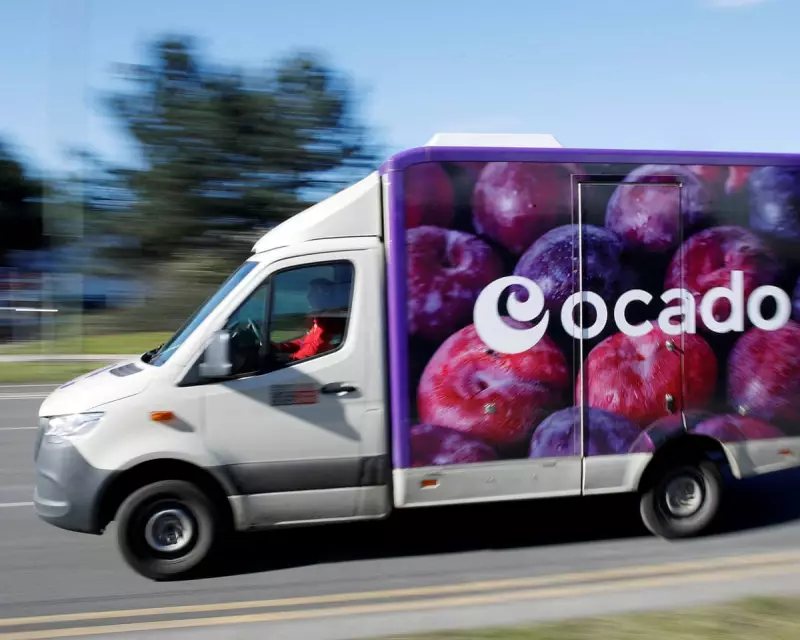
Shares in British online grocery technology firm Ocado experienced a dramatic collapse, falling more than 17% in a single day after its major American partner, Kroger, announced the closure of three automated warehouses. This sharp decline wiped approximately £350 million from the company's market valuation, sending shockwaves through the retail sector.
Strategic Shift in US Operations
The crisis was triggered when Kroger, the fourth-largest retailer in the United States, confirmed it would shut down three Customer Fulfilment Centres (CFCs) in January. The affected sites are located in Frederick, Maryland; Pleasant Prairie, Wisconsin; and Groveland, Florida. These facilities were part of a landmark 2018 deal where Ocado agreed to build 20 automated warehouses for Kroger. While eight are currently operational with two more planned, this strategic reversal represents a significant setback for Ocado's international expansion ambitions.
Kroger justified its decision by stating a review had identified opportunities to "optimise its fulfilment network". The US giant revealed it is moving towards a "hybrid fulfilment network", which will involve testing "capital-light, store-based automation" in high-volume areas. It will continue to use automated warehouses only where it sees a "higher density of demand". Furthermore, Kroger has expanded its partnerships with rapid delivery services like DoorDash, Instacart, and Uber Eats, which fulfil orders directly from physical stores.
Analyst Delivers 'Near Knock-Out Punch' Verdict
The market reaction was severe, with retail analyst Clive Black of Shore Capital describing Kroger's announcement as a "near knock-out punch" for Ocado. The share price fall pushed Ocado's value below the 180p price at which it debuted on the London stock market in 2018. Black provided a damning assessment, suggesting that "most of its customer fulfilment centres do not work economically in the USA or the mass-market first world in truth."
He elaborated that while centralised, automated warehouses might function in dense, affluent urban locations, Kroger's actions indicate that the size of Ocado's total potential market "has been blitzed". Black concluded that this was a "dreadful acclamation" of what other retailers like Morrisons and Waitrose had already discovered: that capital-intensive, centralised food fulfilment for a dispersed mass market is not financially viable.
Ocado's Response and Financial Compensation
In response to the developments, Ocado stated it expects to receive more than $250 million (£190 million) in compensation for fees linked to the early termination of the sites. However, the company acknowledged that its fee revenue will still take a $50 million hit in the financial year ending December 2026.
The UK firm sought to project confidence, stating, "Ocado continues to support Kroger to optimise logistics operations and drive profitable volume growth in these remaining sites." It added that constructive discussions are ongoing about the further use of its technology and that it "expects significant growth in the US market, both with [warehousing] and store based automation." Despite this optimistic outlook, the immediate market sentiment reflects deep concerns over the long-term profitability and scalability of Ocado's business model in key international markets like the United States.