National Insurance and Energy Costs Fuel Food Price Surge
Retailers across the United Kingdom have pointed to rising energy bills and Chancellor Rachel Reeves' increase in employers' national insurance contributions as key drivers behind a significant jump in food prices. According to the latest figures from the British Retail Consortium (BRC), suppliers and supermarkets are struggling to absorb these higher costs, leading to increased prices for consumers.
Shop Price Inflation Accelerates
The BRC's monthly price monitor revealed that prices across all goods in shops rose by 1.5% in January compared with the same month last year. This represents a notable increase from the 0.7% rise recorded in December and exceeds the 0.7% increase that economists had anticipated. The current rate is also above the three-month average of 0.9%, indicating a concerning upward trend.
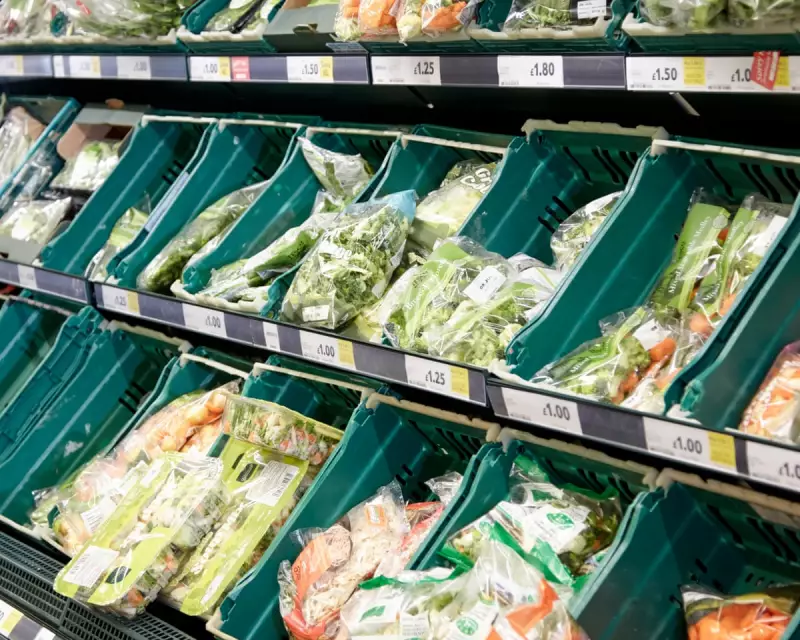
Food prices specifically increased at a rate of 3.9% year on year in January, up from 3.3% in December. More strikingly, fresh food inflation rose to 4.4% over the same period, highlighting particular pressure on perishable items.
Retailers Voice Concerns
Helen Dickinson, the chief executive of the BRC, stated: "Any suggestion that inflation has peaked is simply not borne out by these figures. Shop price inflation jumped this month due to high business energy costs and the hike to national insurance continuing to feed through to prices."
She further explained that meat, fish, and fruit were especially affected, reflecting weak supply and stronger demand. Non-food categories, including furniture, flooring, and health and beauty products, also experienced rising inflation.
Policy Changes Impacting Costs
In her first budget following Labour's return to power in 2024, Chancellor Rachel Reeves increased the rate of employers' national insurance contributions (NICs) from 13.8% to 15% starting last April. Additionally, the threshold for NICs being levied was reduced from £9,100 to £5,000 per year. Concurrently, the national minimum wage rose by 6.7% in April.
Retailers have previously warned that these changes would compel them to pass on the higher employment costs to customers, thereby adding to the UK's inflationary pressures. The BRC's analysis indicates that the combination of these hikes resulted in a 10% increase in the cost of employing a full-time minimum wage worker and a 13% increase for part-time workers. These increases are now being felt throughout the entire food supply chain.
Energy Charges and Inflation Trends
The BRC also highlighted that "spiralling energy charges" for retailers and suppliers, partly caused by rising green levies, are flowing through into retail prices. This report adds to growing evidence that inflation in the UK is proving more persistent than forecasters had hoped.
Official figures released last week showed inflation rose to 3.4% in December, up from 3.2% in November. Meanwhile, the purchasing managers' index compiled by S&P Global indicated that UK businesses reported a sharp rise in costs in January, with the overall pace of inflation unchanged from December's seven-month high.
Non-Food Inflation and Consumer Behaviour
In contrast to food items, inflation in non-food goods was far slower, at 0.3% in the year to January. This marked a step up from the 0.6% decline in prices observed in December and was above the three-month average of -0.3%.
Mike Watkins, head of retailer and business insight at NIQ, which assists in compiling the monthly BRC report, noted that cautious consumer spending is likely to lead retailers to continue offering discounts beyond the typical winter sale period. "Shoppers are always cautious about spending in January and this will not be helped by the continuation of inflation. However, there are still savings to be made at the checkout as some non-food retailers are still on promotion and many food retailers continue to reduce prices on everyday items as a way to drive footfall," he said.
Government Response and Outlook
A Treasury spokesperson responded: "The fair and necessary decisions we made at this budget and the last mean we can deliver on the country's priorities – cutting waiting lists, cutting debt and borrowing, and cutting the cost of living. We know that working people are struggling with rising prices and the cost of living. That's why we are delivering stability, cutting borrowing and getting inflation down. The Bank of England has forecast that food price inflation peaked in December and is expected to fall."
Despite this optimism, Helen Dickinson emphasised the challenges facing both retailers and households: "It is a challenging time for households. Retailers do what they can to keep prices down in a competitive market, but thin margins and rising costs of government policy make it harder."