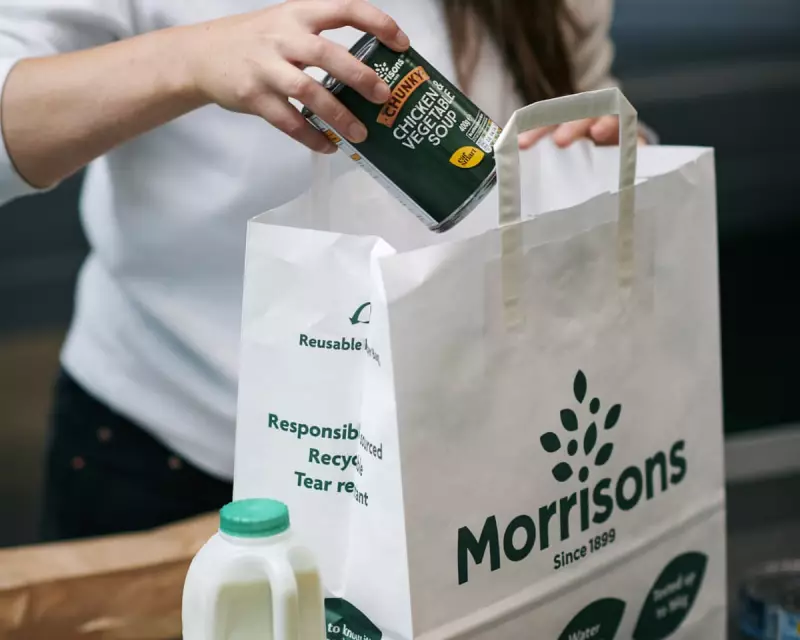
In a significant shift for the UK retail sector, supermarket chain Morrisons has announced a major delay to its climate goals, becoming the first major British grocer to postpone its net zero target.
A 15-Year Delay for Net Zero Ambitions
The Bradford-based retailer, which is Britain's fifth-largest grocer, has pushed back its net zero carbon emissions target by a full 15 years. The company now aims to reach this goal by 2050, aligning with the UK government's national target under Energy Secretary Ed Miliband.
Morrisons has firmly denied that this move represents a watering down of its environmental commitments. Instead, the company argues that its revised strategy encompasses a broader scope, now covering the entire supply chain. This includes emissions from agriculture, land use, product manufacturing, transport, and even end-of-life emissions from its products.
Broader Scope and Achievements to Date
Andrew Edlin, Head of Sustainability at Morrisons, stated that the validation of these new targets reaffirms the company's dedication to sustainability. "The move to a 2050 target across the full value chain is a big step forward in our journey to net zero," he said.
Edlin emphasised that the inclusion of specific Forest, Land and Agriculture (FLAG) emissions targets highlights the critical importance of land-use and agricultural impacts across their business. He also noted that achieving these ambitious goals will require extensive collaboration across the industry.
The supermarket reported that it has already achieved a 22% reduction in total carbon emissions since its 2019 baseline. This progress was made through various initiatives, including operational changes, energy-efficiency projects, lower-carbon logistics, and working closely with suppliers.
Market Context and Competitive Pressure
This strategic pivot comes at a challenging time for Morrisons. The company is working to improve its sales performance following its £7 billion takeover by the US private equity group Clayton, Dubilier & Rice in 2021, which left it with significant debts.
Furthermore, its position as the UK's fifth-biggest supermarket is under threat. German discounter Lidl, with an 8.1% market share, is closing in on Morrisons, which currently holds an 8.3% share of the grocery market. The top four spots are held by Tesco, Sainsbury's, Asda, and Aldi.
The decision to extend its net zero timeline marks a notable departure from the ambitious near-term targets set by many of its competitors, placing Morrisons at the centre of a crucial debate about the pace and practicality of corporate climate action in the UK.