The Changing Face of Britain's High Streets
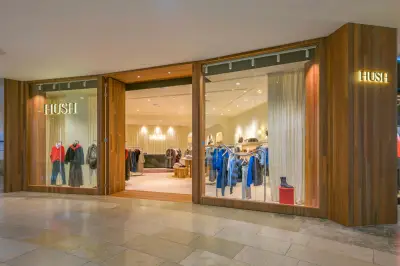
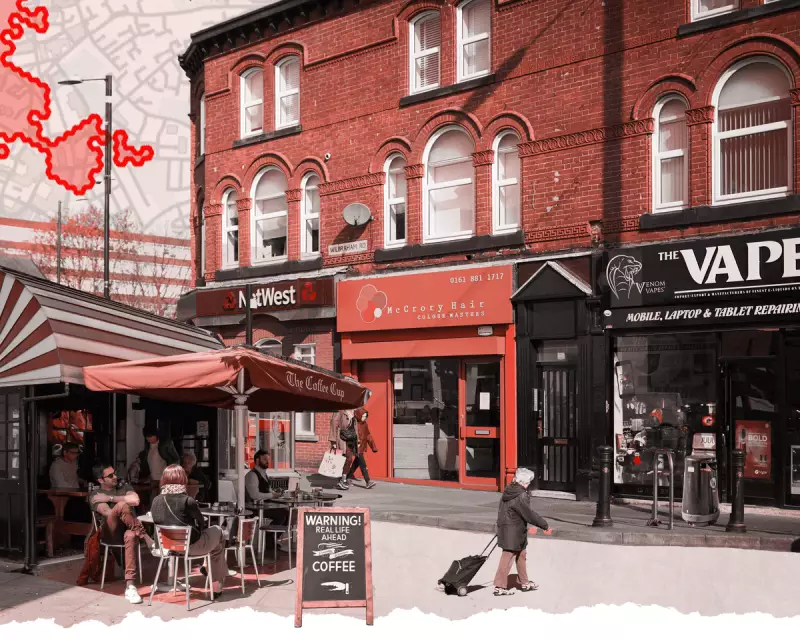
Britain's traditional shopping-led town centres are undergoing a fundamental transformation, with new analysis revealing a dramatic shift toward areas increasingly dominated by services, food, and leisure establishments. The makeup of Great Britain's high streets has changed substantially since 2019, with department stores, discount shops, bookmakers and beauty salons giving way to new types of businesses that reflect changing consumer habits and economic pressures.
A Nation in Transition
The last six years have witnessed a series of significant economic shocks that have accelerated this transformation. Lockdowns during the Covid pandemic disrupted footfall patterns and accelerated the shift toward online retail, creating fundamental challenges for physical stores. Meanwhile, Brexit, energy bill increases, the ongoing cost of living crisis, and national changes to wages and employer tax contributions have piled additional pressure on both independent businesses and national chains.
What remains on Britain's high streets – and what has disappeared – offers a revealing snapshot of how the country shops, eats, and spends its leisure time. The changing business landscape provides tangible evidence of broader societal shifts and economic realities affecting communities across the nation.
Regional Variations and Vacancy Rates
While the overall trend shows movement away from traditional retail toward service and leisure businesses, the scale and shape of this change varies considerably from place to place. Analysis of specific areas reveals significant local differences in how high streets are evolving.
In some regions, vacancy rates tell their own story. Certain areas show relative vacancy rates of approximately 7%, compared to a national average of around 5%. These figures indicate that some locations are experiencing higher shares of empty shops when compared to the broader national picture, suggesting that the transformation is progressing at different paces across the country.
Business Category Shifts
The data reveals fascinating patterns in how different business categories are faring on Britain's high streets:
- Personal, consumer and other services show varying representation, with some areas reporting approximately 3% of businesses in this category compared to a national average of 11%
- Clothing and accessory businesses demonstrate significant decline in many locations, with some areas showing just 4% representation compared to an 8% national average
- Household, office, leisure and garden businesses appear in approximately 6% of establishments in analysed areas versus a 2% national average
- Food, drink and multi-item retail businesses show approximately 6% representation in specific locations compared to a 3% national average
- Eating and drinking businesses remain consistently strong, with areas showing around 17% representation compared to a 16% national average
Rising and Falling Business Types
The transformation becomes particularly clear when examining specific business categories that have experienced significant growth or decline:
Businesses showing notable growth include:
- Restaurants increasing by approximately 41% from 766 establishments in 2019 to 1,078 in 2025
- Cafes, snack bars and tea rooms growing by around 14% from 469 to 535
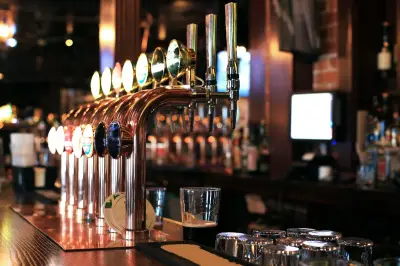
- Pubs, bars and inns expanding by approximately 16% from 381 to 443
- Barbers and hairdressers increasing by about 13% from 303 to 342
- Gymnasiums, sports halls and leisure centres growing by approximately 19% from 43 to 51
- Tattooing and piercing services showing dramatic 60% growth from 10 to 16 establishments
Businesses experiencing decline include:
- Cash machines decreasing by approximately 31% from 136 to 94
- Banks and building societies declining by about 20% from 115 to 92
- Nightclubs reducing by approximately 20% from 56 to 45
- Books and maps shops decreasing by about 20% from 46 to 37
- Optometrists and opticians declining by approximately 20% from 46 to 37
- Chemists and pharmacies reducing by about 10% from 41 to 37
The Retail Versus Hospitality Balance
The most significant change across Britain's high streets represents a fundamental shift away from traditional retailers like clothes shops and toward eating and drinking businesses such as restaurants and cafes. Analysis of specific areas reveals this transformation in numerical terms.
In examined locations, accommodation, eating and drinking businesses now represent approximately 51% of total businesses in 2025, compared to 45% in 2019. Meanwhile, retail businesses including supermarkets, clothes shops and florists have declined from about 55% to 49% during the same period. These figures are based on analysis of approximately 4,971 businesses recorded in 2025 compared to 4,606 in 2019.
Understanding the Data
The analysis draws on high street boundaries from Retail Centre Boundaries and Open Indicators data published by the Geographic Data Service. Business numbers and types for 2019 and 2025 were sourced from the PointX dataset published by Landmark Information Group and distributed by Ordnance Survey.
It's important to note that this data does not cover Northern Ireland, meaning the analysis focuses exclusively on Great Britain. Vacancy rates were estimated by comparing current business numbers with maximum recorded numbers between 2016 and 2025, providing insight into how fully high street premises are currently utilised.
This comprehensive analysis reveals not just changing business patterns but fundamental shifts in how British communities use their town centres, with leisure, dining and personal services increasingly defining the character of high streets across the nation.