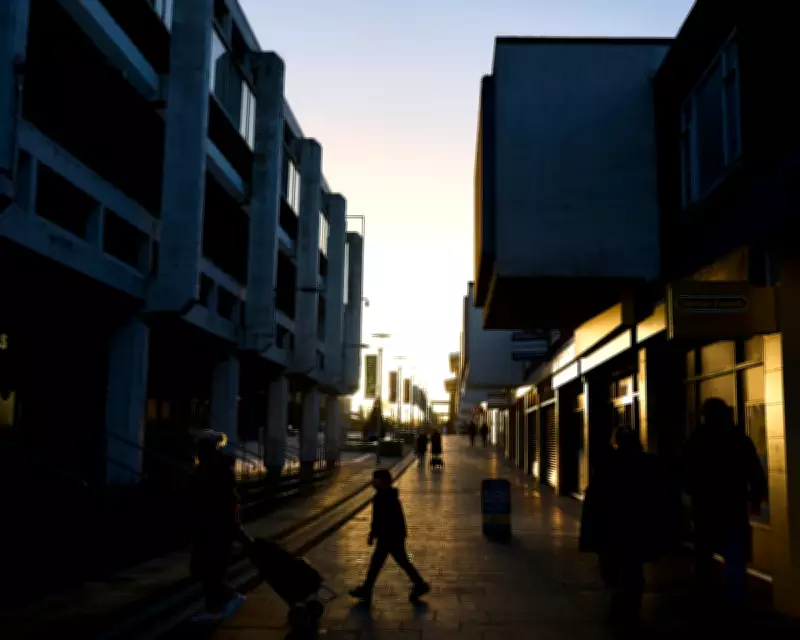
The High Street Crisis: A Mirror of National Discontent
The steady decline of high streets across the United Kingdom has become a powerful symbol of broader societal failures and mounting public discontent. Once bustling hubs of community life and commerce, many high streets now stand as stark reminders of economic struggles and social fragmentation. This trend is not merely a retail issue but a reflection of deeper national challenges that demand urgent attention and innovative solutions.
Economic and Social Implications of the Decline
The erosion of high street vitality has far-reaching consequences for local economies and social cohesion. As shops close and footfall diminishes, communities lose essential services, employment opportunities, and social gathering spaces. This decline often correlates with rising inequality, as deprived areas are hit hardest, exacerbating regional disparities. The shift to online shopping and changing consumer habits have accelerated this process, but underlying issues such as high business rates, inadequate investment, and poor urban planning also play critical roles.
Moreover, the high street's plight symbolises a disconnect between policy decisions and grassroots needs. Many residents feel abandoned by distant policymakers, leading to a sense of neglect and frustration. This discontent is palpable in towns and cities nationwide, where boarded-up storefronts and empty units serve as daily reminders of lost vibrancy and opportunity.
Broader National Failures Reflected in Our Streets
The high street decline is symptomatic of larger national failures, including economic mismanagement, social inequality, and a lack of cohesive urban strategy. It highlights how short-term thinking and inadequate support for small businesses have undermined community resilience. In many cases, high streets have become casualties of broader trends such as austerity measures, which reduced local authority funding and hindered regeneration efforts.
This situation also points to a failure in adapting to modern challenges, such as the climate crisis and digital transformation, without sacrificing community well-being. The loss of high streets weakens the social fabric, making it harder for people to connect and support local enterprises, further entrenching cycles of decline and discontent.
Pathways to Revitalisation and Hope
Addressing the high street crisis requires a multifaceted approach that goes beyond mere retail recovery. Potential solutions include:
- Policy Reforms: Reducing business rates, offering tax incentives for small businesses, and increasing local authority powers to shape high street futures.
- Community-Led Initiatives: Encouraging co-operatives, pop-up shops, and mixed-use developments that blend retail with housing, leisure, and cultural spaces.
- Investment in Infrastructure: Improving public transport, pedestrian access, and green spaces to make high streets more attractive and accessible.
- Support for Innovation: Fostering digital integration and sustainable practices to help high streets adapt to changing consumer demands.
By viewing high streets as vital community assets rather than just commercial zones, there is hope for renewal. Successful examples from some towns show that with collaboration between government, businesses, and residents, decline can be reversed, fostering pride and engagement.
In conclusion, the high street's decline is a poignant symbol of national failure and discontent, but it also presents an opportunity for transformative change. By addressing root causes and embracing innovative strategies, the UK can rebuild these spaces as engines of community vitality and social connection.