The Collective Failure Behind High Street Decline
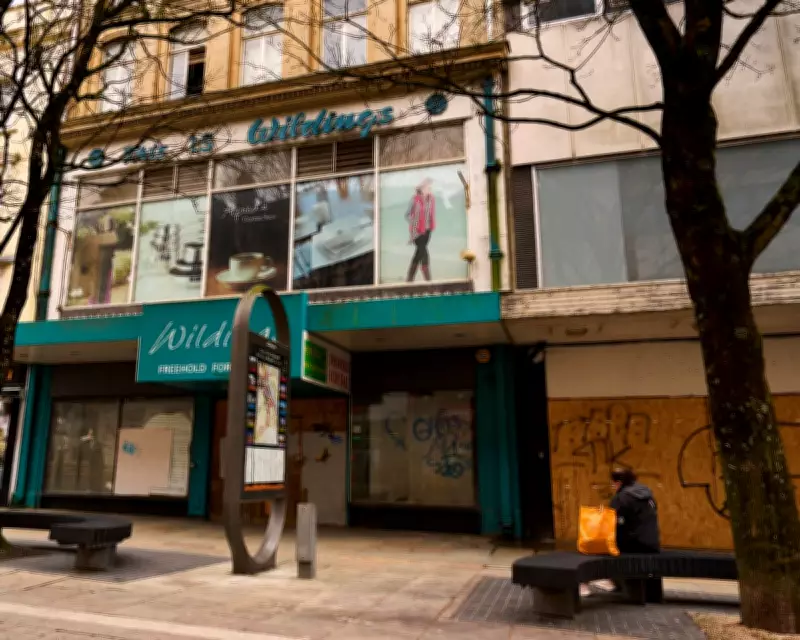
A recent analysis highlights that the decline of high streets across the United Kingdom is not the fault of a single group but a shared responsibility among consumers, businesses, and policymakers. This multifaceted crisis has led to empty storefronts, reduced foot traffic, and economic stagnation in many towns and cities, threatening the social fabric of communities nationwide.
Consumer Shifts and Business Missteps
Changing consumer habits have played a significant role, with a surge in online shopping diverting spending away from physical stores. However, businesses must also shoulder blame for failing to adapt to modern demands, such as by neglecting customer experience or ignoring digital integration. Many retailers have been slow to innovate, relying on outdated models that no longer resonate with today's shoppers.
Additionally, high business rates and operational costs have squeezed profit margins, forcing closures and deterring new ventures. This has created a vicious cycle where fewer shops lead to less attraction for visitors, further accelerating the decline.
Policy and Planning Shortfalls
On the policy front, inadequate urban planning and inconsistent government support have exacerbated the issue. Local councils often lack the resources or vision to implement revitalization strategies, while national policies sometimes prioritize large developments over small businesses. The absence of cohesive long-term plans has left high streets vulnerable to economic shifts and competition from out-of-town retail parks.
Moreover, infrastructure challenges, such as poor parking or public transport access, discourage visits, making it harder for high streets to compete with convenient online alternatives.
Paths to Revival
Reviving high streets requires a collaborative approach. Suggestions include:
- Encouraging mixed-use developments that combine retail with residential and leisure spaces.
- Reducing bureaucratic hurdles for small businesses to foster entrepreneurship.
- Investing in community events and public amenities to boost footfall.
- Promoting local products and services to create unique selling points.
By addressing these areas collectively, stakeholders can work towards sustainable solutions that breathe new life into high streets, ensuring they remain vibrant hubs for future generations.