The Accelerating Decline of Britain's High Streets
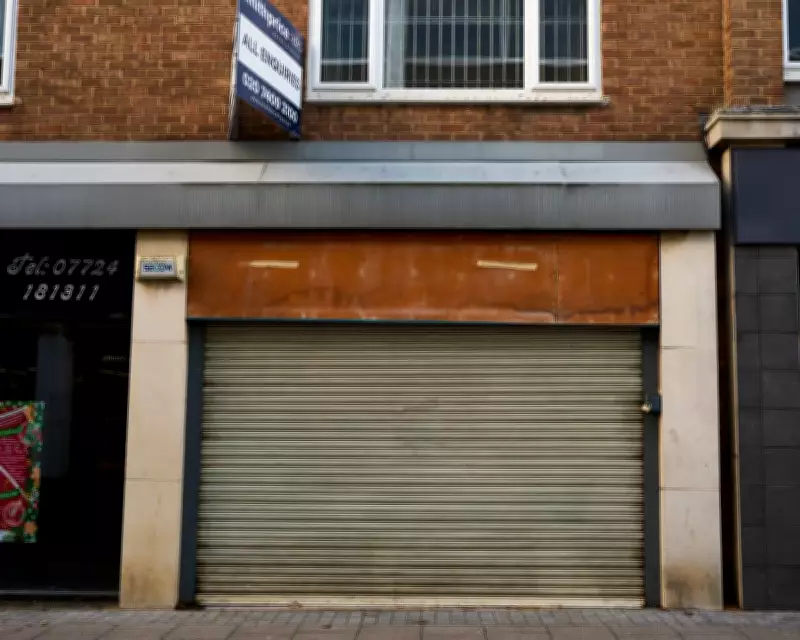
Abandoned and shuttered shops have become an increasingly common sight across Britain's town centres, transforming from local economic hubs into symbols of national decline. A comprehensive Guardian investigation has revealed how boarded-up units are spreading from coastal towns to former industrial centres, creating a visible barometer of public frustration and political discontent.
A Nation's Changing Face
The familiar refrain about Britain's high streets being reduced to processions of shuttered units, former bank branches, barbers, vape shops and fast food outlets has become more than just anecdotal observation. This week's investigation sought to explain why this decline has accelerated, why it has become so visibly apparent, and crucially, why it has transformed into a proxy measurement for whether communities feel their areas – and their lives – are progressing or regressing.
Guardian analysis reveals thousands fewer retail outlets now compared with 2019, with rising numbers of service-based establishments like vape shops and restaurants replacing traditional retail units. This shift has been accompanied by a loss of basic amenities including public toilets and cash machines, all contributing to the growing perception that town centres are struggling to maintain their relevance and vitality.
The Political Dimension of Empty Shopfronts
According to north of England editor Josh Halliday, who contributed to the investigation, improving shopping precincts has become the third most important local issue for voters – ranking behind only healthcare and crime. Particularly concerning for political parties is the finding that supporters of Reform UK were especially likely to report that their high streets had deteriorated significantly.
"High streets have this peculiar place in British life," Halliday explains. "Kind of like the weather, they are great for small talk. We can all talk endlessly about what used to be on the high street, what's there now, looking back through rose-tinted glasses."
However, the current conversation extends far beyond nostalgic reminiscing. The investigation found that voters consistently tell Labour MPs that the state of their high streets ranks among their primary concerns about their local areas, with growing evidence suggesting this dissatisfaction is pushing some voters toward alternative political options.
Visible Indicators of Neglect
The physical state of high streets has evolved into one of the most tangible indicators of perceived neglect, directly influencing whether residents feel their communities are being properly served by those in power. When shops remain boarded up, banks disappear, and footfall dwindles, it fosters a pervasive sense that nothing is improving – and that Westminster remains distant, indifferent, or both.
Part of the Guardian's reporting focused on Newton Aycliffe, a town that has become symbolic of the collapse of Labour's traditional support base. The investigation revealed how absentee London landlords charging premium rents have contributed significantly to the area's decline, with local residents expressing frustration about their inability to effect change.
Multiple Factors Behind the Decline
While online shopping undoubtedly plays a role in high street struggles, Halliday stresses that the hollowing out of traditional retail cannot be attributed solely to digital competition. "Woolworths and BHS – this is kind of the long tail of the financial crash," he notes. "In some sense it's not just about the rise of internet shopping, it's the collapse of these huge firms that were massively exposed to the financial crisis in 2007 and 2008."
Nevertheless, the impact of digital retail remains undeniable, with internet shopping accelerating dramatically during the pandemic and showing no signs of slowing. This shift has fundamentally altered consumer behaviour, with town centres increasingly becoming destinations for services that cannot be ordered online – haircuts, dining experiences, gym memberships, and other personal services.
The Symbolic Power of High Streets
Despite these economic shifts, high streets retain significant symbolic importance in British communities. "People still have this image of the high street as representative of their area," Halliday observes. "It's often the first thing you see if you go through a town on the top deck of a bus, and you judge a place instantly from how the high street looks."
This visual immediacy makes high street decline particularly politically dangerous. Policies typically require years to design and implement, yet more boarded-up shops, closed banks, and empty units become visible to residents on a daily basis. For voters, the high street has become a shorthand assessment of whether things are genuinely improving or deteriorating – a judgment made not through economic statistics but through everyday observations during routine activities.
Potential Solutions and Political Responses
The government's Pride in Place scheme represents one attempt to address the crisis, intended to give councils and community organisations greater control over vacant buildings. However, critics have expressed concerns that this initiative might amount to little more than superficial improvements – flower baskets, new benches, and other visible changes that could be highlighted during election campaigns without addressing fundamental structural issues.
Some Labour MPs are advocating for more substantial reforms, including granting councils the authority to allow community organisations to occupy vacant units on a temporary basis between long-term commercial leases. This "meantime use" approach could help prevent the visual blight of empty shopfronts while supporting local community initiatives.
The Electoral Implications
The political danger of high street decline lies not only in its economic impact but in the rapid pace at which deterioration becomes visible to ordinary citizens. Unless the government can demonstrate tangible, visible improvements rather than merely promising future changes, it risks allowing opposition parties to craft compelling narratives of continued decline.
As Britain approaches future elections, the state of high streets has emerged as a crucial battleground where economic policy, community pride, and political credibility intersect. The challenge for all political parties will be to develop and implement strategies that address both the immediate visual impact of empty shops and the underlying economic factors driving high street decline across the nation.