The rapid rise of weight-loss medications is fundamentally reshaping the eating and shopping habits of millions of Britons, with new analysis suggesting the retail sector is unprepared for the shift this Christmas.
Supermarket Sales Feel the Impact
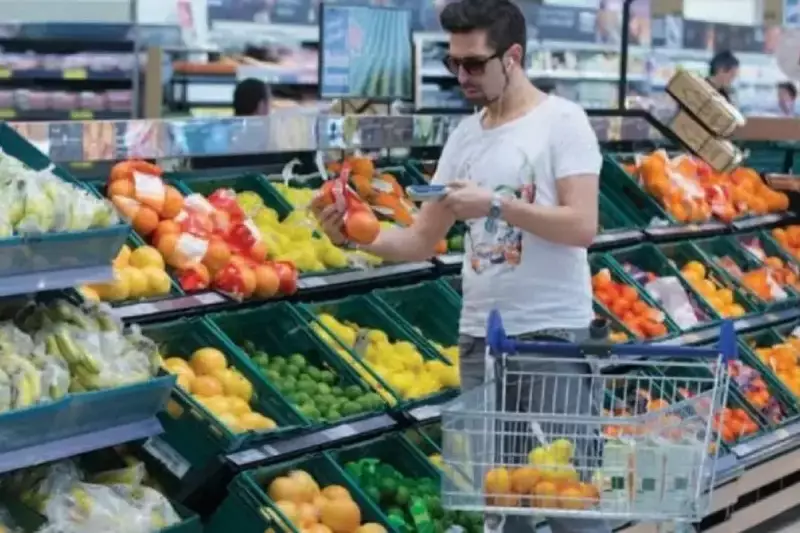
Retail experts are sounding the alarm as the growing use of GLP-1 drugs, like Wegovy and Ozempic, begins to dent supermarket sales volumes. According to data from Kantar, the share of UK households with at least one person using such medication has nearly doubled in the past year, rising from 2.3% to 4.1%. This uptick is now directly linked to a decline in the volume of groceries sold.
"There is a worry that Christmas retail hasn't caught up with reality," said Toby Nicol, chief executive at Chequp. He highlighted a disconnect, noting that "millions of people now eat dramatically smaller portions, yet the supermarket aisle still assumes everyone wants a full adult serving." This year, more than one in ten Britons expects to host a guest on GLP-1 medication, leading to planned reductions in festive offerings like alcohol and sweets.
A Fundamental Shift in Consumer Behaviour
The change extends beyond portion sizes. Waitrose's latest annual food and drink report identifies a move towards replacing full meals with snacks, a trend influenced by concerns over ultra-processed foods and the effects of weight-loss jabs. Fraser McKevitt, an analyst at Kantar, warned earlier this year that weight management is a critical trend for the industry, stating these drugs "have the potential to steer choices at the till" and that supermarkets are entering "new territory."
The financial implications are substantial. Research from Bloomberg Intelligence forecasts that weight-loss drugs could erase a staggering $53 billion (approximately £40 billion) from global food and beverage sales by 2035. Analyst Jibril Lawal projects the steepest volume losses in Europe will be in snacks, baked goods, and confectionery, with a sales drag of three to five per cent. Alcohol sales are also expected to drop by around two per cent as consumers pivot to healthier options.
From Food Budgets to New Wardrobes
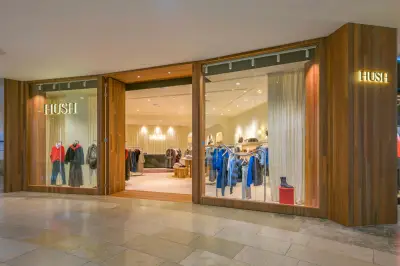
Interestingly, money saved on groceries is not simply staying in wallets. Analysts note a clear diversion of spending towards other consumer categories. Research from Morning Consult indicates that clothing is the number one area where people spend more while taking GLP-1 drugs, with 36% of users increasing their expenditure.
Berenberg analysts called this switch "not surprising," explaining that a user will likely need smaller clothing sizes at reasonable prices as they lose weight, and may become more interested in their appearance, experimenting with new styles. The second most popular category for increased spending is hair and skincare products, with 33% of users dedicating more of their budget there.
With an estimated 1.5 million people in the UK now accessing GLP-1 medications, the evidence suggests a permanent behavioural shift is underway, forcing retailers and food brands to rapidly adapt to a new consumer landscape.