Food price rises in the UK showed a marked slowdown in November, offering some relief to shoppers as widespread Black Friday promotions took effect across the country's retail sector.
Inflation Figures Show Promotional Impact
According to the latest data from the British Retail Consortium (BRC), annual food inflation decelerated to three per cent in November. This represents a notable drop from the 3.7 per cent recorded in October and also sits below the three-month average increase of 3.7 per cent.
In a broader sign of price pressures easing, non-food inflation – covering items like clothing, electronics, and furniture – moved deeper into negative territory. It registered at -0.6 per cent year-on-year for November, compared to a decline of -0.4 per cent the previous month.
Retailers Compete with Early Discounts
BRC Chief Executive Helen Dickinson attributed the slowdown to intense competition among retailers, which led to Black Friday deals launching earlier than usual. "While food price inflation remains elevated, widespread promotions meant price rises eased over the month, especially in dairy, fruit, breads, and cereals," she explained.
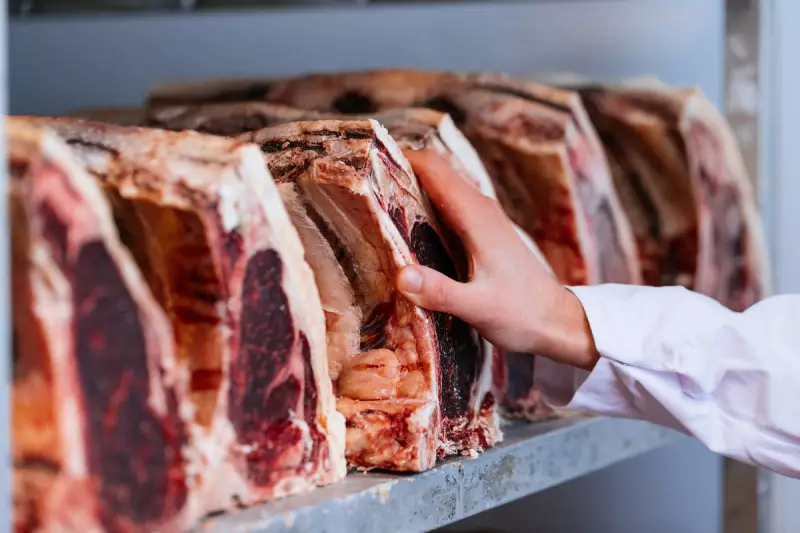
The recent period of high food inflation has been driven by a combination of factors including tax increases, supply chain costs, and environmental issues, with products like beef and chocolate seeing particularly sharp price hikes.
Challenges Loom for Shops and Shoppers
Despite the positive November data, industry voices caution that the underlying pressures have not disappeared. Mike Watkins, Head of Retailer and Business Insight at NIQ, noted the figures were "good news" but stressed that "inflationary pressures still remain, in particular within food".
He warned that the highly competitive UK retail market would force shops to keep any price increases minimal in the crucial run-up to Christmas to attract consumer spending. This task is made difficult by shops grappling with high business rates and subdued consumer confidence.
Looking ahead, Dickinson highlighted further "headwinds in the new year", such as rising employment costs that are likely to feed into prices. "This could shake already weak consumer confidence and present further challenges for consumers in the year ahead," she concluded.