Coles 'Down Down' Pricing Case Concludes After Seven-Day Hearing
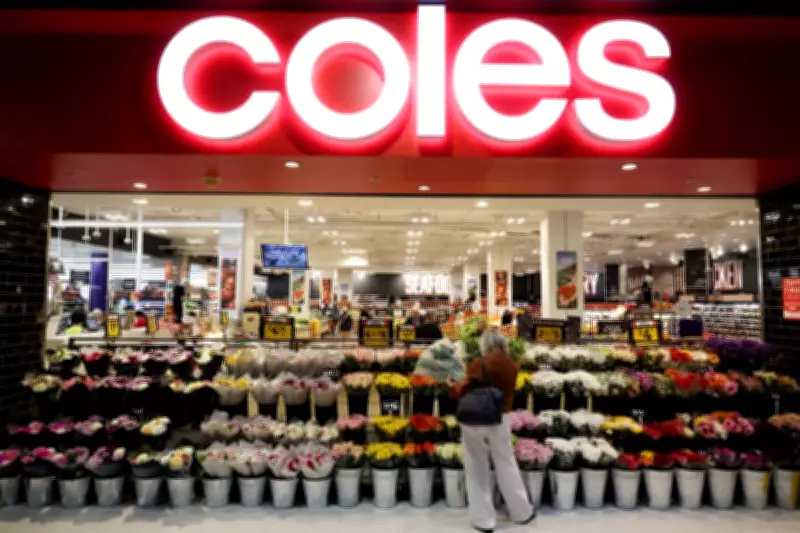
The Australian Competition and Consumer Commission's (ACCC) blockbuster case against supermarket giant Coles wrapped up this week following a seven-day hearing. The legal battle centers on allegations that Coles deliberately misled shoppers with its iconic "Down Down" jingle and promotional pricing strategies, a case that could have far-reaching implications for the entire supermarket sector.
Key Allegations and Legal Questions
The ACCC's case focused on two primary legal questions. First, whether Coles made false representations by using temporary, pre-planned price spikes to establish artificial "was" prices. According to the regulator, this allowed the supermarket to make subsequent prices in its "Down Down" campaign appear discounted when they were actually higher than the original long-term rate.
In one example presented in court, Coles priced 1.2kg cans of Nature's Gift wet dog food at $4 for 296 days between April 2022 and February 2023. The price was then elevated to $6 for just seven days before introducing a "Down Down" price of $4.50. Coles' counsel described this product as an "outlier," but the ACCC argued that at least 62 reviewed products were set at the "was" price for less than 28 days.
Consumer Behavior and Profit Margins
The case provided deep insights into shopping behavior, highlighting how much Australians value discounts. For instance, Coles sold Karicare baby formula for $18 for 794 days, increased it to $24 for 23 days, then dropped it to $21. Weekly sales revenue surged to $67,800 when advertised as on sale, compared to $49,680 without the discount.
This legal action comes amid a period of sharp grocery price increases and expanding profit margins for supermarkets. Coles has lifted its supermarket business margins from 5.2% to 5.8%, significantly above pre-pandemic levels. The ACCC noted that Coles and Woolworths are among the world's most profitable supermarkets, operating in an oligopoly with limited competition.
Courtroom Arguments and Judicial Scrutiny
During the hearings, Justice Michael O'Bryan questioned the relevance of the time periods products were sold at initial prices versus "was" prices. He suggested the case should be decided on the "genuineness" of the discounts, without ties to notions of previous regular prices.
The ACCC's barrister, Garry Rich SC, argued that many shoppers who see the big red and white "Down Down" tickets have no idea the price was actually lower four weeks ago. In contrast, Coles' legal counsel, John Sheahan KC, contended that the promotions were "fair dinkum" and reflected genuine discounts after wholesale cost increases during inflation. Sheahan emphasized that all prices are temporary, particularly in high-inflation periods.
Sector-Wide Implications and Future Outlook
The outcome of this case will test allegations of deliberate misleading practices and could reshape pricing strategies across the supermarket sector. With Woolworths facing its own court challenge over similar allegations, the two majors, controlling about two-thirds of the market, are under intense scrutiny. As grocery prices continue to rise, contributing significantly to inflation, the verdict will be closely watched by consumers, regulators, and industry players alike.