Coles Implements Significant Milk Price Hike as Global Conflict Impacts Australian Grocery Market
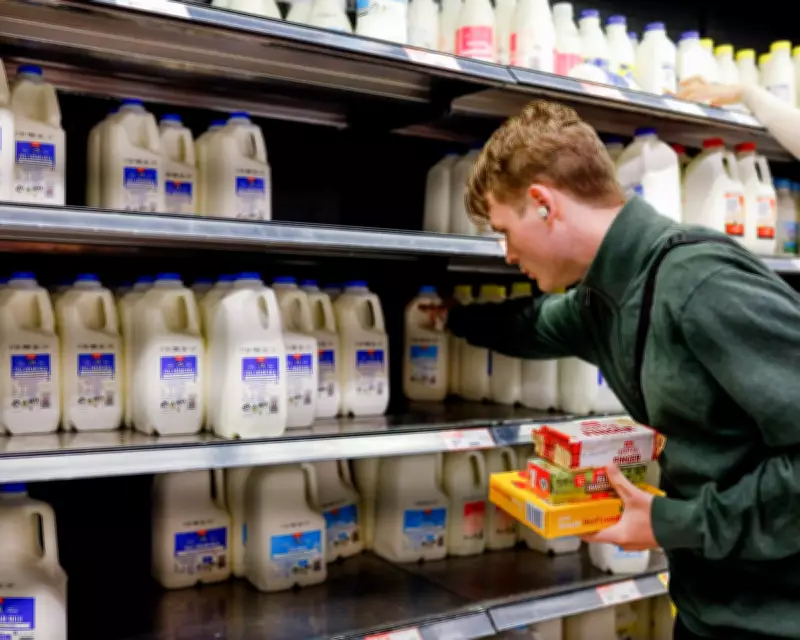
Coles has announced a substantial increase in home-brand milk prices, with rises of up to 20 cents per litre, as the ongoing war in the Middle East begins to affect Australian grocery costs. Woolworths is anticipated to follow suit with similar price adjustments, reflecting broader economic pressures on the retail sector.
Direct Impact on Household Budgets and Farmer Support
The price adjustments represent one of the first direct effects on household grocery bills stemming from the current oil crisis. Businesses across the supply chain are grappling with escalating costs, from transportation to plastic packaging. To partially offset these challenges, Coles has committed to temporarily paying its dairy farmers an additional 5 cents per litre above their farm-gate price, alongside one-off relief payments totaling $1 million.
Farmers have been advocating for higher prices for several weeks, citing soaring diesel and fertiliser expenses, coupled with limited supply disruptions linked to the US-Israel conflict with Iran. A Coles spokesperson emphasized that the price increases are necessary to address rising costs throughout the dairy supply chain, acknowledging the financial strain on both producers and consumers.
Detailed Price Changes and Industry Response
Specific price adjustments include one litre of Coles brand fresh milk rising from $1.65 to $1.85, two litres increasing from $3.20 to $3.55, and three litres moving from $4.65 to $5.15. Long-life milk products have also seen price hikes. This marks the most significant milk price increase by Coles since July 2022, when fuel prices were high and inflation was accelerating, followed by incremental rises over the subsequent three years.
Norco, a major dairy cooperative, has similarly announced price increases to support its members across 190 farms. Norco's full cream milk, which retails for up to $2.90 per litre in supermarkets, will result in families paying an additional 30 to 50 cents per week. CEO Michael Hampson warned that without adequate support, significant milk shortages could occur within the next twelve months, with further price rises likely by year's end.
Supermarket Strategies and Long-Term Concerns
Woolworths has not publicly confirmed its milk pricing plans but has indicated intentions to raise shelf prices to provide more support to its own-brand suppliers, according to Australian Dairy Farmers. Aldi has yet to announce broad price increases, with a spokesperson stating the company aims to maintain low prices while ensuring fair supplier relationships.
Ben Bennett, president of Australian Dairy Farmers, highlighted the need for permanent, broad pay increases for farmers rather than temporary assistance, stressing that long-term pricing certainty is essential for sustainability. Meanwhile, Rabobank senior analyst Michael Harvey predicted that branded milk and high-protein dairy products like yoghurt may soon experience further price increases due to record whey protein costs.
The situation underscores the interconnectedness of global events and local economies, as conflicts abroad ripple through supply chains to affect everyday Australian consumers and agricultural producers alike.