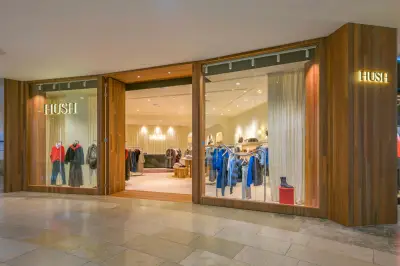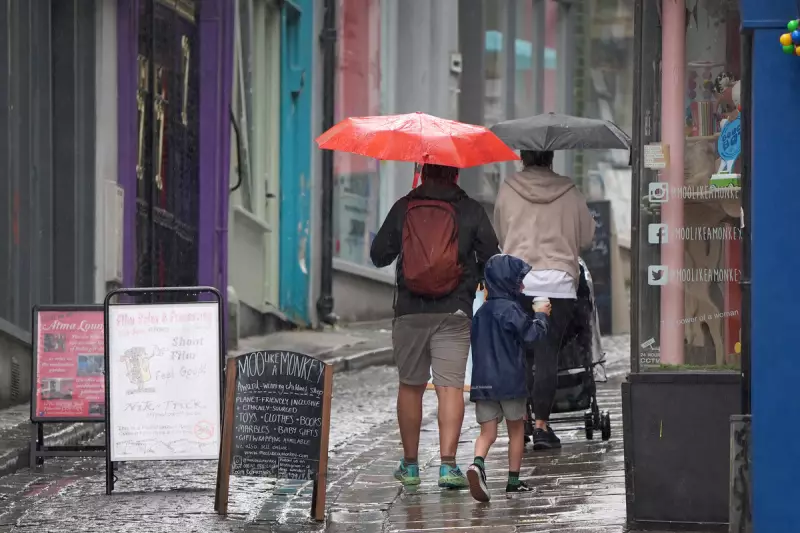
In a landmark move for the UK's struggling high streets, Chancellor Rachel Reeves has used her Budget to confirm the introduction of permanently lower business rates for retail, hospitality, and leisure firms.
A Budget for the High Street
Delivered on Wednesday 26 November 2025, the Budget directly addresses years of calls for business rates reform from shopkeepers and pub landlords. The central complaint has been that the current system creates an unfair playing field, burdening physical high street stores with high taxes while online giants, which primarily owe cheaper warehouse property taxes, operate at a significant advantage.
Chancellor Reeves did not shy away from naming this disparity. She stated her intention to "support our high streets" with a policy explicitly "paid for through higher rates of properties… like the warehouses used by online giants." This rebalancing act is set to increase Treasury receipts from business rates by £2.7bn in 2029-30, driven by higher property values and inflation.
The Details and Industry Reaction
While the exact new rates are still to be announced, it is widely anticipated that the current 40 per cent business rates relief for eligible firms will either be frozen or made permanent at a rate of 20 per cent.
However, the announcement has been met with a mixed response. Mark Smith, Managing Director of Ayming UK, warned that for many businesses, the reforms might be "too little, too late." This sentiment is underscored by stark economic data: retail sales fell at their fastest rate since 2008 in November, and footfall remains stubbornly below pre-pandemic levels.
Alpesh Paleja, deputy chief economist of the CBI, highlighted the ongoing challenge of "weak demand" as households watch their spending. The sector is also grappling with a 10 per cent reduction in its workforce since 2015, with another 10 per cent of jobs expected to disappear in the next three years.
Potential Consequences and Rising Costs
Despite the relief for some, the higher rates on larger properties could have unintended consequences. Alison Conley, Head of Retail at MHA, cautioned that flagship stores might become "unprofitable" and "at risk of closure," potentially pushing costs onto consumers.
Supermarkets, operating on razor-thin margins, are seen as particularly vulnerable. Clare Francis, Head of Commercial at Pinsent Mason, outlined the bleak choices facing business leaders: "look to pass on costs to consumers, or apply pressure on their supply chains to reduce costs." She added that post-Brexit and Covid supply chain vulnerabilities make unilateral cost-cutting a "high-risk strategy."
With a perfect storm of higher wages, food inflation, and increased National Insurance, the government's attempt to level the playing field enters a fiercely competitive and cost-sensitive market.