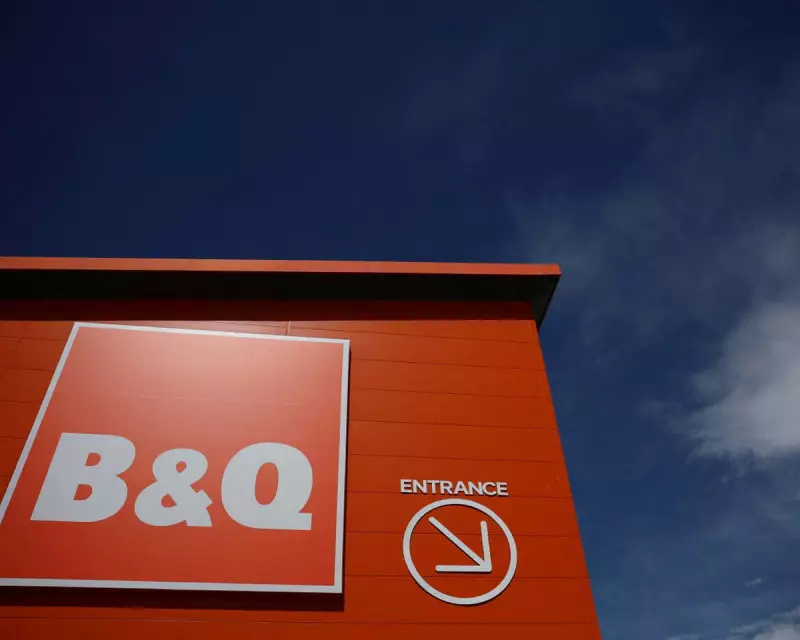
In a surprising move that defies Britain's subdued economic climate, Kingfisher PLC - the retail giant behind B&Q and Screwfix - has significantly upgraded its profit expectations for the current financial year.
The company now anticipates profits between £540 million and £570 million, marking a substantial increase from its previous forecast of £480 million to £540 million. This positive adjustment comes despite what the company describes as "softening market conditions" across its operations.
Navigating Economic Headwinds
Kingfisher's improved performance appears largely self-generated, with the company successfully implementing strategic measures to counter economic challenges. The retailer reported 3% like-for-like sales growth in its UK operations during the last quarter, demonstrating resilience in the face of consumer uncertainty.
The company specifically noted concerns about inflation, uncertainty surrounding the autumn budget, and what it termed a "softening labour market." Despite these headwinds, Kingfisher has managed to gain market share in the UK DIY sector, partly benefiting from competitor Homebase entering administration a year ago.
Strategic Advantages Driving Success
Kingfisher's success story reveals several key competitive advantages. The Screwfix operation continues to outperform direct rivals, maintaining what industry observers describe as a "streets ahead" position in the professional trade market.
Meanwhile, the company's French operations - including Castorama and Brico Dépôt - are undergoing restructuring that has helped offset what the company characterizes as significantly worse consumer sentiment in France compared to the UK.
The company has also made substantial progress in enhancing its e-commerce capabilities, ensuring it remains competitive in the rapidly evolving retail landscape.
Broader Implications for UK Retail
Kingfisher's performance serves as a telling indicator of the current retail environment. The company demonstrates that well-managed operators in strong competitive positions can prosper even during economically subdued periods.
This pattern mirrors successes seen at other major retailers including Tesco, Sainsbury's, and Next, all of which have delivered strong shareholder returns despite economic challenges following Rachel Reeves's last budget.
The current "softening" conditions in retail haven't yet turned "soggy," with analysts pointing to four interest rate cuts since last October's budget as a crucial factor maintaining consumer resilience. Lower mortgage costs particularly benefit DIY businesses dealing in big-ticket items like kitchens and bathrooms.
However, the outlook remains cautious. The prospect of further rate cuts represents one of the few positive macroeconomic factors for retailers facing pressure from rising wages and fixed costs. Should borrowing costs fail to decrease, the current softening conditions could rapidly deteriorate.
While Kingfisher appears well-positioned to handle most economic scenarios, the broader retail landscape shows signs of fragility, with consumer confidence remaining a key concern for industry watchers.